






Summer Pressure Washing: How to Choose and Use a Power Washer for Home and Job Sites
As warmer weather arrives, outdoor spaces get more use—and more scrutiny. From winter grime on driveways to algae on siding and dust buildup around commercial entrances, summer is the season when cleaning becomes both practical and visible. A pressure washer (often called a power washer) is one of the fastest ways to refresh surfaces, improve curb appeal, and keep properties safer by reducing slippery moss and mildew.
This guide covers how to select the right pressure washer for personal use and for job sites, plus best practices for safe, effective summer pressure washing.
Why Summer Is Peak Season for Pressure Washing
Summer conditions are ideal for exterior cleaning. Higher temperatures and longer daylight hours speed up drying, which helps reduce streaking and minimizes moisture-related issues after washing. It’s also the time when patios, decks, storefronts, and common areas see the most foot traffic—making cleanliness more noticeable and more important.
For homeowners, summer pressure washing is a smart pre-event upgrade before gatherings, barbecues, and outdoor renovations. For facility managers and contractors, it supports a professional appearance, reduces slip hazards, and helps maintain surfaces exposed to dust, oils, and heavy use.
Power Washer vs. Pressure Washer: What’s the Difference?
In everyday use, the terms are often interchangeable. Technically, a power washer uses heated water, while a pressure washer uses unheated water. Heated water can be beneficial for grease, gum, and certain industrial residues on job sites, while cold water pressure washing is excellent for routine home maintenance like sidewalks, fencing, and siding.
Choosing the Right Pressure Washer for Summer Projects
The best pressure washer depends on where you’ll use it, how often, and what you need to clean. Two specifications matter most: PSI (pressure) and GPM (flow). PSI helps break grime loose; GPM carries it away. For faster cleaning, prioritize balanced performance, not just the highest PSI.
Home Use: Electric vs. Gas
Electric pressure washers are popular for homeowners because they’re lighter, quieter, and low-maintenance. They’re ideal for patios, outdoor furniture, grills (exterior only), small decks, and cars (with the right nozzle and technique).
Gas pressure washers provide more mobility and higher output, which is helpful for large driveways, stubborn mildew, or extensive fencing. They typically require more maintenance and are louder, but they’re efficient for bigger summer cleanups.
Job Sites and Commercial Use: Performance and Durability
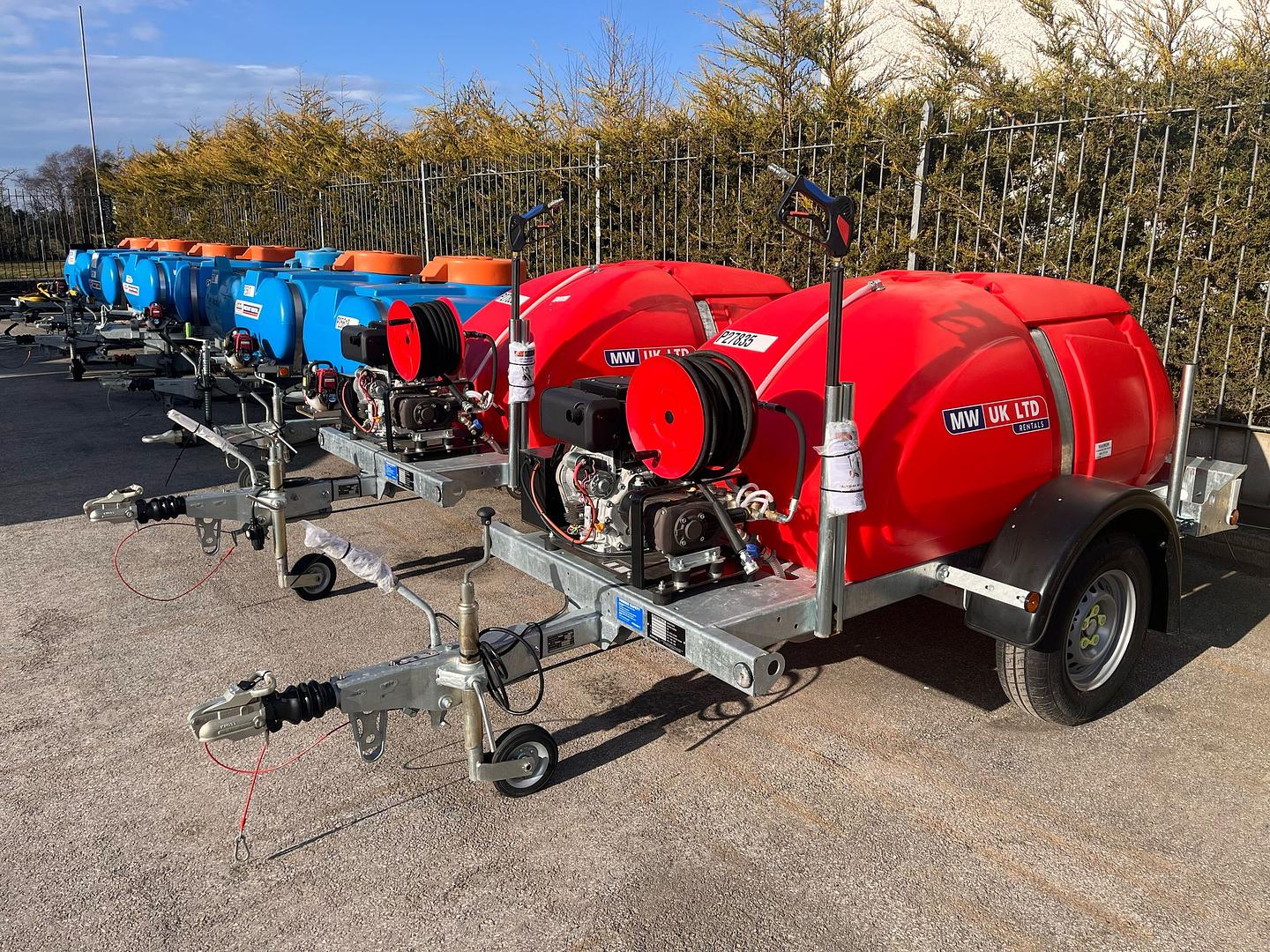
For job sites, look for a commercial-grade pressure washer designed for frequent use. Contractors and facilities teams often benefit from higher GPM, durable pumps, and longer hoses. If you’re cleaning equipment bays, dumpster pads, or greasy concrete, consider hot-water capability and detergent injection features.
A Quick Guide to Common PSI/GPM Needs
- 1,200–2,000 PSI: outdoor furniture, vehicles (carefully), light patio cleaning
- 2,000–3,200 PSI: driveways, sidewalks, fencing, deck prep
- 3,200+ PSI and higher GPM: heavy concrete, commercial areas, job site cleanup (use with training and proper accessories)
Must-Have Accessories for Better Results
The right accessories make pressure washing faster, more consistent, and safer—especially during high-demand summer months.
- Surface cleaner: Ideal for driveways, sidewalks, and large concrete areas; reduces striping and speeds up work.
- Foam cannon or detergent applicator: Helpful for siding and vehicles when paired with appropriate cleaners.
- Extension wand: Improves reach for second-story siding and hard-to-access areas.
- Turbo nozzle (rotary): Great for stubborn stains on concrete, but can damage softer materials if used incorrectly.
- Appropriate hose length: Longer hoses reduce the need to move the machine frequently on larger properties or job sites.
Summer Pressure Washing Projects for Homeowners
For personal use, pressure washing can refresh outdoor areas quickly—provided you match the nozzle and pressure to the surface.
Driveways, Walkways, and Patios
Concrete and pavers collect winter residue, spring pollen, and organic growth. Use a surface cleaner for uniform results and avoid holding a tight spray pattern too close to the surface, which can leave marks.
Decks and Fences
Wood requires a gentle approach. Too much pressure can gouge boards and raise the grain, creating a rough finish. A wide-angle nozzle, proper distance, and a wood-safe cleaner can help prep for staining or sealing during summer.
Siding and Exterior Walls
When cleaning siding, the goal is to remove dirt and mildew without forcing water behind panels. Work from top to bottom with controlled pressure, keep the spray angled downward, and use cleaning solutions designed for exterior surfaces.
Outdoor Furniture and Grills (Exterior)
Many patio sets clean up well with lower pressure and a wider nozzle. For grills, focus on the exterior and avoid forcing water into burners or electrical components.
Pressure Washing for Job Sites and Commercial Properties
On job sites, pressure washing supports safety, compliance, and professionalism. It can also extend the life of surfaces and equipment by removing corrosive buildup.
Concrete Pads, Loading Areas, and Entryways
High-traffic zones collect tire marks, spills, and grime. Higher GPM machines reduce cleaning time, and hot-water systems can help with oil-stained areas. Always follow local regulations for wastewater containment and runoff management.
Equipment and Fleet Cleaning
Pressure washing helps remove dust, mud, and salt residue that can accelerate wear. Use the correct nozzle, maintain distance around seals and bearings, and avoid directing high pressure at electrical connections and sensitive components.
Post-Project Cleanup
After construction or maintenance work, a final pressure wash can elevate the finished look—especially on sidewalks, facades, and shared access areas. Scheduling this as part of summer closeout helps properties look their best during peak occupancy.
Safety and Best Practices (Especially in Hot Weather)
Pressure washing is powerful equipment use. Summer heat adds risks like dehydration and faster chemical evaporation. Prioritize safety for both homeowners and crews.
- Wear eye protection and closed-toe footwear; consider hearing protection for gas units.
- Test a small area first to confirm pressure and nozzle choice won’t damage the surface.
- Keep the nozzle moving and maintain consistent distance to avoid etching and streaks.
- Use detergents labeled for pressure washers and match chemicals to the surface (wood, concrete, siding).
- Work during cooler parts of the day to reduce streaking and improve comfort and safety.
Maintenance Tips to Keep Your Power Washer Ready All Summer
Whether it’s a homeowner unit or a commercial pressure washer, basic upkeep prevents downtime during the busiest season.
- Flush the system after using detergents to prevent buildup.
- Check hoses and fittings for wear, especially on job sites where equipment is moved often.
- Clean inlet filters and ensure adequate water supply to protect the pump.
- For gas units: verify oil levels, inspect air filters, and follow the manufacturer’s service schedule.
- Store properly: keep the unit out of direct sun when possible; protect from debris and heat exposure.
Buy, Rent, or Hire a Pressure Washing Service?
If you have occasional summer projects, renting a pressure washer can be cost-effective, especially for one-time deck prep or large concrete cleaning. If you’ll use it throughout the season—driveway, siding, patio, and recurring maintenance—buying may provide better value.
For commercial properties, hiring a professional pressure washing service can be the safest route when hot-water systems, wastewater capture, high-access work, or strict compliance requirements are involved. The best option depends on the risk level, the scope of work, and how frequently cleaning is needed.
Plan Your Summer Pressure Washing Checklist
A little planning helps you avoid common issues like streaks, surface damage, or wasted time. Start with the highest-visibility areas—front walkways, entrances, and patios—then move to larger surfaces and detail work.
With the right pressure washer, accessories, and technique, summer is the perfect time to restore surfaces, protect materials, and present a clean, professional property—whether it’s your home or an active job site.