






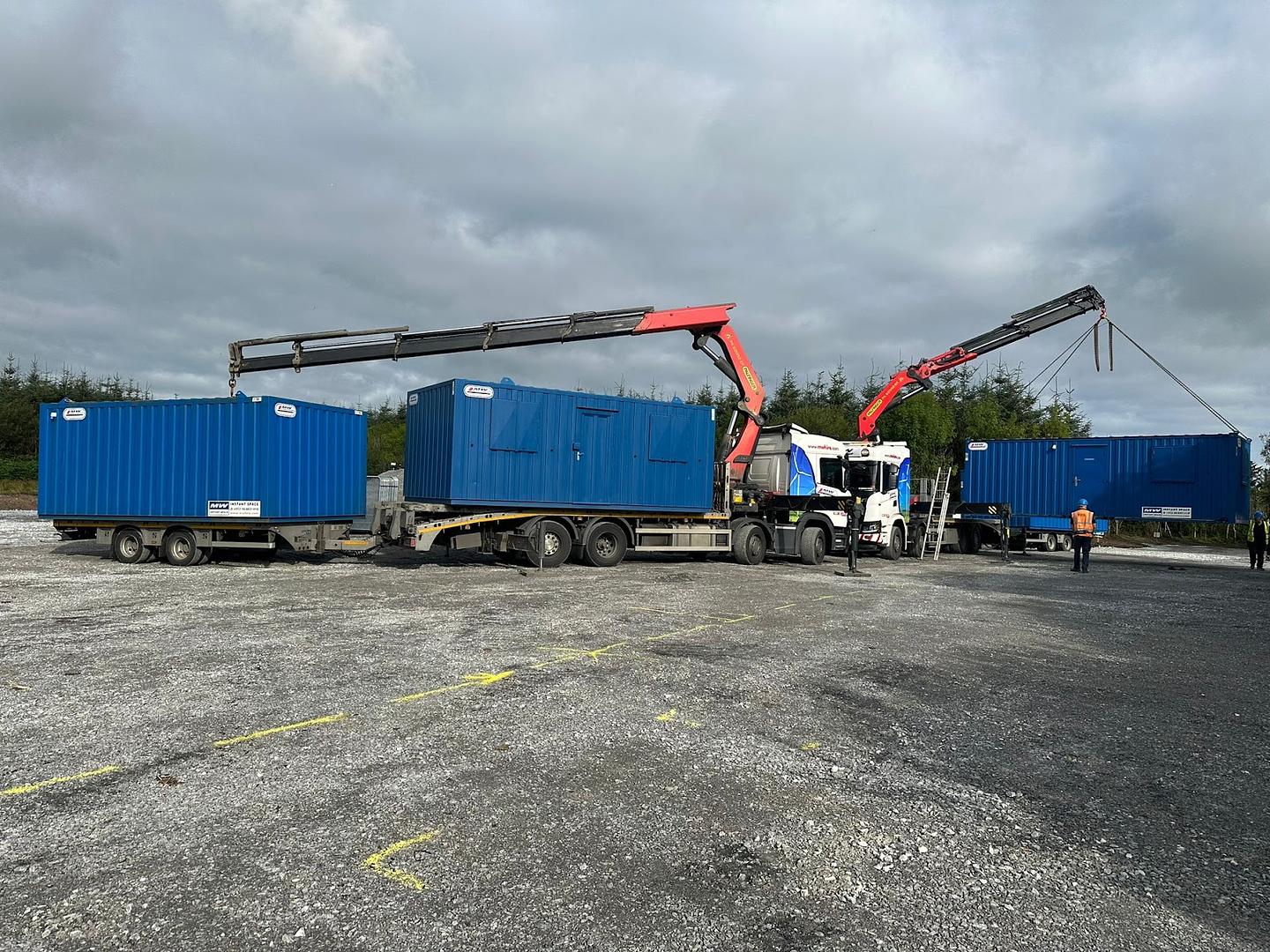
Site Accommodation:
Effective site accommodation is more than a practical necessity; it is a direct contributor to productivity, workforce wellbeing, and regulatory compliance. Whether you manage a construction project, civil engineering site, utilities work, or long-term maintenance programme, the right mix of site welfare facilities can reduce downtime, improve morale, and help maintain high standards of health and safety.
Modern portable site accommodation and modular welfare buildings are designed to be fast to install, easy to maintain, and adaptable as your site evolves. From canteen cabins and office units to drying rooms, welfare units, solar showers and toilet blocks, each element plays a specific role in creating a safer, more efficient working environment.
Why Site Welfare Facilities Matter on Every Project
Well-planned construction site accommodation supports your team through changing weather, shift patterns, and varying site conditions. When operatives have access to warm rest areas, hygienic washing facilities, and a dedicated place to manage paperwork and meetings, projects tend to run more smoothly.
Key benefits of investing in high-quality site welfare units include:
- Improved productivity: less time lost to leaving site for breaks, washing, or admin tasks.
- Higher workforce morale: comfortable facilities show commitment to employee wellbeing.
- Better hygiene and safety: cleaner environments reduce illness risk and promote safer working practices.
- Stronger compliance: appropriate welfare provision supports health and safety requirements and good site management.
Canteen Units: Better Breaks, Better Performance
A site canteen is often the heart of day-to-day site life. Providing a clean, heated area to eat, hydrate, and rest can make a measurable difference to energy levels and concentration.
Well-designed canteen cabins or modular canteens may include seating, tables, kitchenettes, hot water boilers, microwaves, sinks and food prep surfaces. The advantages are clear:
Reduced fatigue and fewer errors: operatives who can take proper breaks in a warm, comfortable space are more alert and less prone to mistakes.
Cleaner site conditions: dedicated eating areas help prevent litter, pests, and food waste issues that can occur when breaks happen in vehicles or work areas.
Operational efficiency: keeping breaks on site minimises travel time and supports better shift management.
Site Offices: A Professional Hub for Planning and Control
Every well-run project needs a dedicated administration and planning space. Site office accommodation creates a central location for project coordination, documentation, inductions, progress meetings, and contractor management.
Typical benefits of portable office cabins and modular offices include:
Improved communication: teams can hold briefings, manage schedules, and coordinate deliveries in a controlled environment.
Secure document and equipment storage: lockable spaces help protect sensitive paperwork, devices, and tools.
Better client and stakeholder experience: a professional office unit supports meetings, inspections, and site visits.
Many businesses now choose modular office buildings for construction sites with improved insulation, lighting, and ventilation to support comfortable all-day use.
Drying Rooms: Essential for Comfort, Safety and PPE Care
On sites exposed to wet or cold conditions, drying rooms are a practical investment that pays back quickly. A dedicated site drying room allows operatives to dry clothing, boots and PPE safely, ready for the next shift.
Why drying rooms matter:
Health and wellbeing: staying in damp clothing contributes to discomfort and can increase illness risk, impacting attendance and productivity.
PPE effectiveness: properly dried PPE is more comfortable and more likely to be worn correctly, supporting a stronger safety culture.
Longer equipment life: drying footwear and workwear appropriately can reduce replacement costs over time.
Welfare Units: The Foundation of On-Site Compliance
Welfare units bring together essential facilities such as handwashing, rest space, and in some cases toilets and small canteen areas. They are particularly useful for short-duration projects, remote locations, or sites with limited infrastructure.
Modern portable welfare cabins can be configured to meet project requirements, with options for mains connection or self-contained solutions. Common features include:
- Wash basins with hot and cold water options
- Heated rest areas
- Changing space and lockers
- Easy-clean interiors to support hygiene standards
By providing the right welfare provision from day one, you reduce risk, support good housekeeping, and demonstrate a professional approach to site management.
Solar Showers: Practical Washing Facilities with a Lower Environmental Impact
Solar showers are an increasingly popular solution where projects need shower facilities without heavy reliance on mains power. They can be particularly useful for remote sites, eco-focused developments, and projects targeting improved sustainability credentials.
Benefits of solar-powered shower units include:
Improved hygiene: showering options can be essential for certain tasks, dirty environments, or where operatives travel home after shifts.
Better workforce comfort: access to showers supports wellbeing and can be a differentiator when recruiting or retaining skilled labour.
Sustainability support: using solar energy where appropriate can help reduce overall energy consumption and demonstrate responsible site practices.
Toilet Blocks: Hygiene, Dignity and Efficient Site Flow
Clean, accessible toilet blocks are a non-negotiable element of effective site welfare. The right facilities reduce queuing, improve hygiene, and support a respectful working environment.
Options range from basic portable toilet cabins to larger modular toilet blocks with multiple cubicles, urinals, handwashing stations and accessible units. The advantages include:
Higher hygiene standards: dedicated, easy-to-clean facilities reduce contamination risk and help maintain a tidy site.
Less downtime: sufficient capacity and good positioning reduce time lost to walking long distances or waiting.
Better inclusivity: providing accessible toilet options supports a more inclusive workplace and better overall site planning.
Choosing the Right Site Accommodation for Your Project
To get maximum value from your site accommodation units, consider the size of your workforce, project duration, site layout, and access to utilities. Many contractors benefit from working with a specialist provider that can recommend an efficient setup and scale it as the project progresses.
When selecting site cabins and welfare facilities, look for:
Flexible layouts: modular solutions that can expand, relocate, or reconfigure as site needs change.
Durable build quality: units designed for frequent use, with robust doors, flooring and fittings.
Comfort features: insulation, heating, ventilation and lighting that support year-round operation.
Easy maintenance: surfaces and fixtures that are simple to clean, inspect and service.
Conclusion: Site Accommodation That Works as Hard as Your Team
Providing the right mix of canteens, site offices, drying rooms, welfare units, solar showers and toilet blocks creates a safer, more productive and more professional site. Strong construction site welfare supports workforce wellbeing, helps reduce downtime, and contributes to smoother project delivery.
If you are planning a new project or upgrading existing facilities, review your welfare provision early and choose portable and modular site accommodation that can adapt to the demands of your programme. The result is a better-run site and a better experience for everyone working on it.