






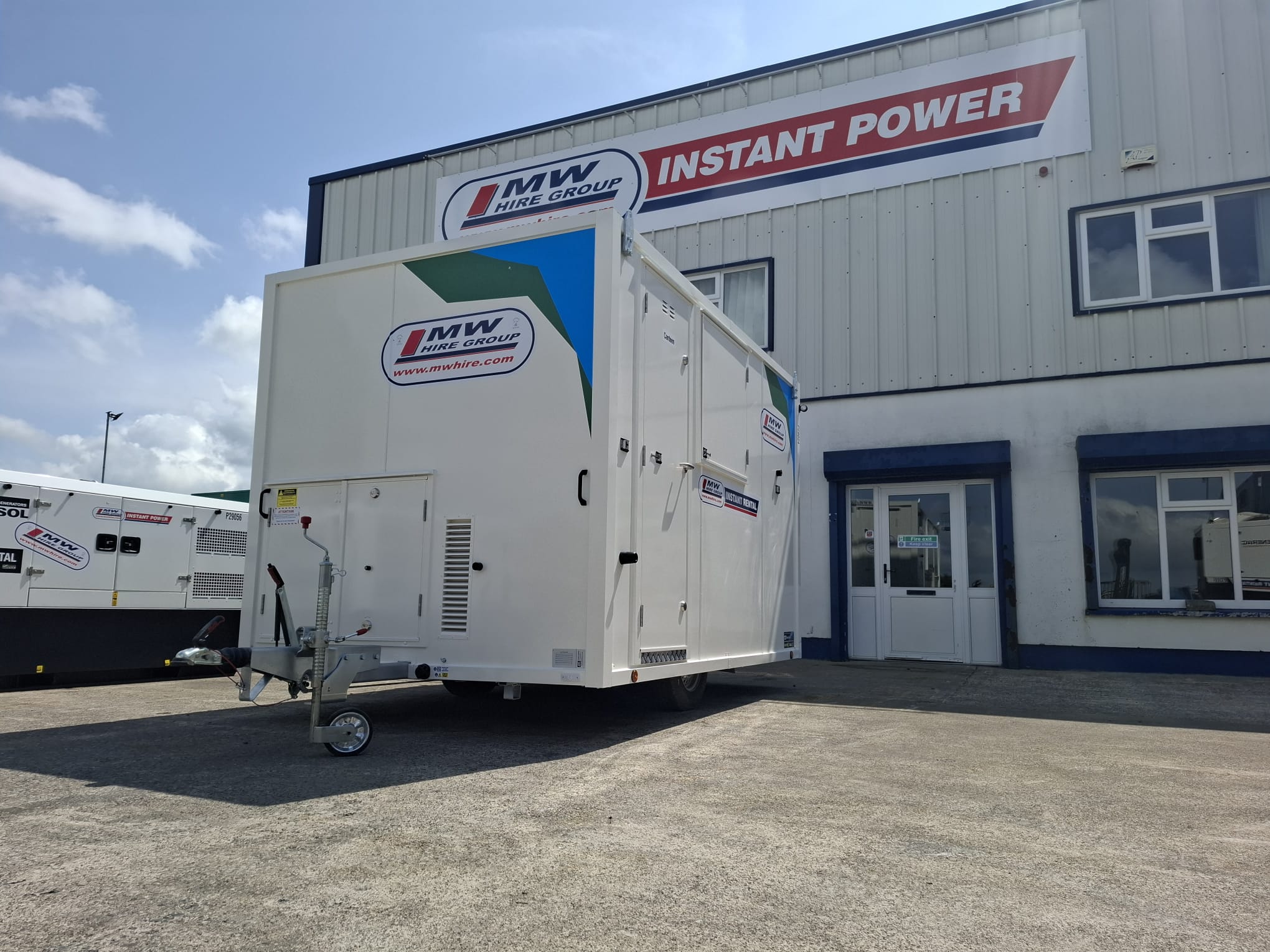
Welfare Units for Sites: What They Are, Why They Matter, and Key Benefits
Welfare units for sites are essential facilities that support the health, safety, and productivity of people working on temporary or changing workplaces—most commonly construction sites, infrastructure projects, utilities work, and events. From toilets and handwashing stations to canteens and drying rooms, the right site welfare provision helps teams work comfortably and safely while supporting legal compliance and a professional standard of site management.
In this guide, we cover what welfare units for sites include, the main benefits, common unit types, and how to choose the best solution for your project.
What Are Welfare Units for Sites?
Site welfare units (also called construction welfare units or portable welfare cabins) are purpose-built, transportable facilities that provide basic welfare amenities for workers. They can be delivered to a site as standalone units, combined units, or modular setups, depending on headcount and project duration.
Typical welfare units are designed to be robust, easy to clean, and suitable for outdoor environments. Many include integrated power, water storage, heating, and ventilation, making them practical even on remote or early-phase sites where utilities are not yet connected.
Why Site Welfare Units Are Important
Welfare facilities are not an optional “nice-to-have.” They are fundamental to responsible site operations. When a workforce has access to clean toilets, washing facilities, drinking water, and a place to rest and eat, it reduces fatigue, improves hygiene, and helps prevent illness—leading to fewer disruptions and a safer working environment.
For construction and industrial settings, adequate welfare provision also supports compliance with relevant workplace health and safety requirements. While specific obligations vary by region and project type, most regulations require suitable facilities for sanitation, washing, rest breaks, and food preparation or consumption.
Key Benefits of Welfare Units for Construction and Work Sites
1) Improved Health, Hygiene, and Wellbeing
Access to toilets, hot water, handwashing stations, and drying facilities helps maintain hygiene standards—particularly important in environments involving dust, chemicals, oils, or general site contamination. Better hygiene reduces the spread of illness and supports workforce wellbeing.
2) Higher Productivity and Better Break Quality
When teams have a warm, clean place to take breaks, make hot drinks, and eat meals, break times are more effective and workers return to tasks more focused. This is especially valuable during winter months or in wet conditions, where a heated canteen and drying room can make a measurable difference.
3) Stronger Safety Culture and Site Standards
Well-managed welfare facilities send a clear message that safety and people matter. This often improves overall site discipline, cleanliness, and morale—factors that influence incident rates and project performance.
4) Support for Compliance and Audits
Many clients and principal contractors expect site welfare standards to be in place from day one. Proper welfare units help you meet contractual expectations, pass inspections, and demonstrate due diligence with documented maintenance and servicing.
5) Professional Image for Clients and Visitors
Projects often involve client visits, inspections, and stakeholder walkarounds. Clean, well-equipped welfare cabins improve the site’s professional appearance and can help build confidence in your operational control.
What Do Welfare Units Typically Include?
Welfare requirements vary by site size and duration, but common features include:
- Toilets (chemical toilet, flush toilet where services are available, or mains-connected options)
- Handwashing facilities with hot and cold water, soap, and hand drying
- Canteen area with seating, tables, worktops, and storage
- Kitchen amenities such as kettle, microwave, sink, and sometimes a fridge
- Drinking water provision
- Heating and ventilation for comfort and moisture control
- Drying room or drying lockers for wet PPE and clothing (common on construction sites)
- Lighting and electrical outlets for safe use and basic charging
Many modern welfare units also include energy-efficient lighting, insulated panels, and durable, easy-clean interior finishes to help maintain standards with minimal downtime.
Types of Welfare Units for Sites
Mobile Welfare Units
Mobile welfare units are towable, self-contained units ideal for short-term work, utilities, highways maintenance, or projects that move frequently. They are designed for quick setup and relocation and often include onboard water tanks, generator power, and chemical toilets.
Static Welfare Cabins
Static welfare cabins suit longer-term construction projects. They can be delivered by hiab or crane and positioned on site as a stable welfare hub. These units typically offer more space, better capacity, and can be configured with separate areas for toilets, canteen, and drying facilities.
Modular Welfare Buildings
For large sites with higher headcounts, modular welfare buildings provide scalable capacity. Multiple units can be linked or stacked to create changing rooms, offices, canteens, and meeting spaces alongside welfare facilities.
Eco-Friendly Welfare Units
Many suppliers offer eco welfare units with lower emissions, improved insulation, smart power management, solar assistance, and efficient heating. These can support sustainability goals and reduce operating costs, especially when generators are used.
Hiring vs Buying Welfare Units: What’s Best?
Choosing between welfare unit hire and purchase depends on project frequency, duration, and storage logistics.
- Hiring welfare units is often best for one-off projects or variable schedules. Hire packages may include delivery, setup, servicing, and collection, helping you control costs and avoid maintenance responsibilities.
- Buying welfare units can be cost-effective if you run multiple sites consistently. Ownership gives you availability on demand, but you’ll need to plan for transport, storage, cleaning, servicing, and compliance checks.
For many contractors, a blended approach works well: purchase a core unit for regular operations and hire additional capacity during peak phases.
How to Choose the Right Welfare Unit for Your Site
Before selecting a unit, consider these practical factors:
- Headcount and peak workforce: Plan for the busiest periods, not just the average day.
- Project duration: Short-term projects may suit mobile welfare; long-term projects benefit from static or modular setups.
- Site location and access: Confirm delivery access, ground conditions, and lifting requirements.
- Utilities availability: If no mains water or power is available, choose a self-contained welfare unit with tanks and generator support.
- Servicing and maintenance: Toilets and water systems require regular servicing—ensure your plan is realistic and documented.
- Weather and seasonality: For winter builds, heating, insulation, and drying facilities can significantly improve comfort and reduce lost time.
Best Practices for Maintaining Site Welfare Standards
Even the best welfare cabin needs good management. To keep welfare facilities effective and inspection-ready:
- Set a cleaning schedule and assign responsibility to avoid gaps during busy periods.
- Restock consumables (soap, paper towels, toilet roll) as part of daily checks.
- Arrange regular servicing for toilets, water tanks, and generator systems.
- Provide clear signage and keep access routes safe, lit, and slip-resistant.
Conclusion: Welfare Units Are a Smart Investment in People and Performance
Welfare units for sites play a direct role in workforce wellbeing, site productivity, and the overall professionalism of your project. Whether you need a mobile welfare unit for a fast-moving job or a full construction welfare setup for a long-term build, choosing the right facilities—and maintaining them properly—supports compliance, strengthens safety culture, and helps deliver better project outcomes.
If you are planning a new project, start by assessing headcount, duration, and utility availability, then compare welfare unit hire options or purchase solutions that match your timeline and operational needs. A well-chosen construction site welfare unit quickly pays for itself through improved efficiency, reduced downtime, and better working conditions.