






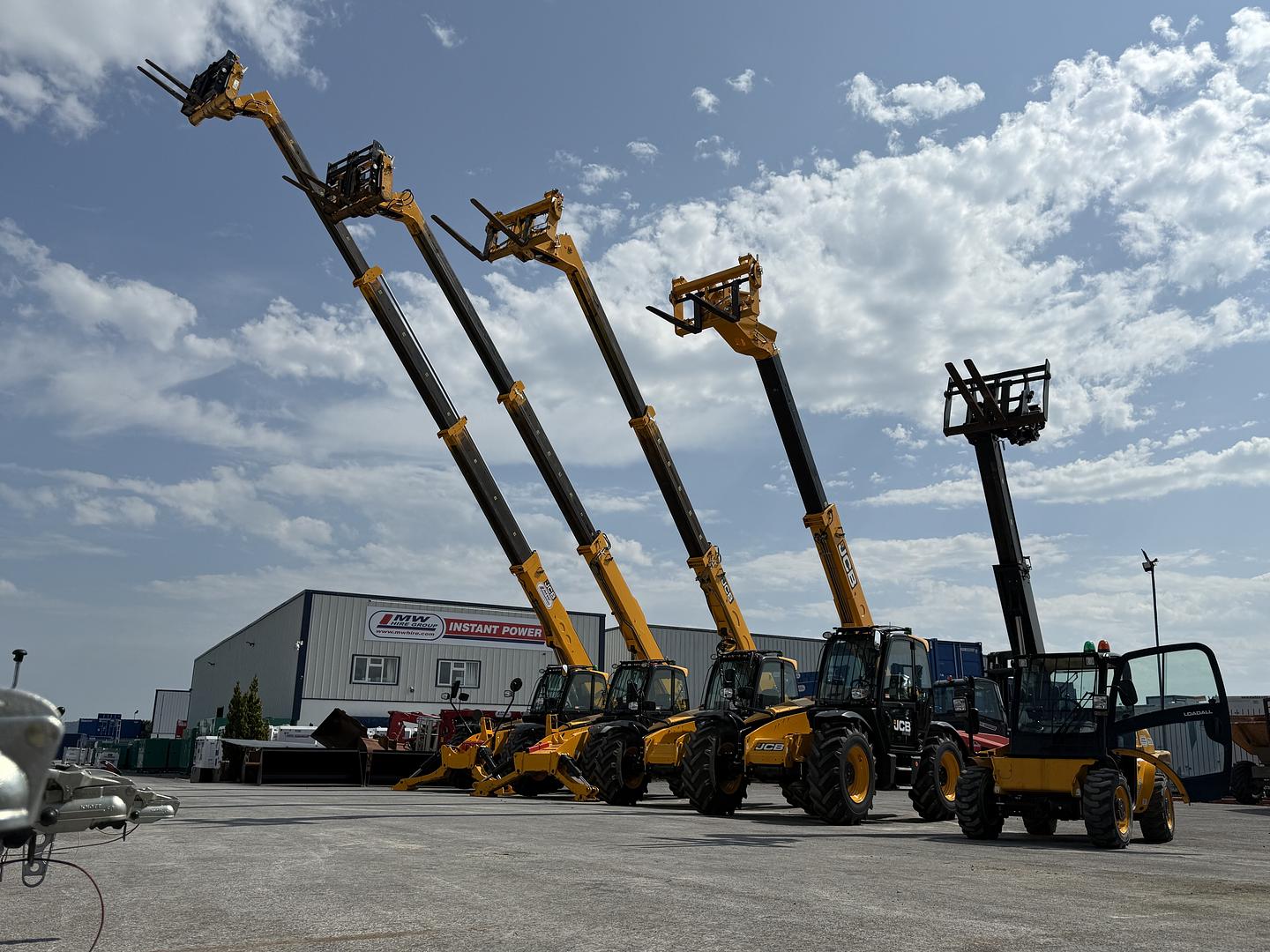
Telehandlers for Sale or Hire: How to Choose the Right Telehandler for Your Site!
Telehandlers have become a cornerstone of modern material handling across construction, agriculture, warehousing, and industrial projects. With the ability to lift, place, and transport loads in tight or uneven environments, a telehandler often replaces multiple machines—especially when paired with the right attachments.
If you are weighing up a telehandler for sale versus telehandler hire, the best decision depends on your workload, project duration, cash flow, and operational requirements. This guide breaks down the practical differences, key specifications, and purchasing or rental tips to help you get the most value from your next telehandler.
What Is a Telehandler (and Why Businesses Rely on Them)?
A telehandler is a versatile lifting machine with a telescopic boom that can extend forward and upward to position loads at height or reach over obstacles. Depending on the model, it can function similarly to a forklift, crane substitute (within rated capacity), or all-terrain loader—making it popular on busy sites where space, speed, and flexibility matter.
Common applications include:
- Moving pallets of bricks, blocks, bagged materials, or timber
- Placing materials onto scaffolding or upper levels
- Loading/unloading deliveries in confined areas
- Handling bales, feed, and bulk materials in agriculture
- Working with attachments such as buckets, hooks, clamps, and winches
Because telehandlers span multiple use cases, the right model choice—and whether you buy or rent—can have a significant impact on productivity and total cost.
Telehandler Hire vs Telehandler Sale: Which Option Makes Sense?
When Telehandler Hire Is the Smarter Choice
Telehandler hire (also referred to as telehandler rental) is ideal when your needs are project-based, seasonal, or uncertain. Hiring can reduce upfront costs and provide access to newer equipment without long-term ownership commitments.
Telehandler rental often works best if you:
- Need a machine for short-term work (days, weeks, or a few months)
- Have fluctuating demand across multiple sites
- Want predictable costs and simplified maintenance planning
- Require a specialist machine, such as a rotating telehandler, for a specific task
- Prefer to avoid depreciation and resale concerns
For many contractors, hiring also helps match equipment to each phase of the job—using a compact telehandler early on, then upgrading to higher reach or higher capacity later as the build progresses.
When Buying a Telehandler Delivers Better Long-Term Value
Purchasing a telehandler can be the most cost-effective route when utilization is high and workloads are consistent. A telehandler for sale becomes an asset that can support daily operations, reduce ongoing hire fees, and maintain resale value if maintained properly.
Buying may be best if you:
- Use a telehandler regularly across projects or year-round
- Want full control over specifications, attachments, and setup
- Have in-house maintenance capability or a service plan in place
- Need consistent machine availability without rental scheduling
- Operate in environments where a dedicated, familiar machine improves safety and efficiency
Many businesses also consider used telehandlers for sale as a balance between affordability and ownership—provided the service history, hours, and condition are verified.
Key Specifications to Compare Before You Hire or Buy
Whether you are exploring telehandlers for sale or arranging telehandler hire, evaluating the following specifications will help you choose a machine that is safe, compliant, and fit for purpose.
Lift Capacity (Rated Load)
Lift capacity is not a single fixed number. Telehandlers have different capacities depending on boom extension and lift height. Always check the load chart for the specific model and ensure it covers your real working positions—not just the maximum rating at minimal reach.
Lift Height and Forward Reach
Height matters for multi-storey projects, while forward reach is essential for placing materials over obstacles or into upper-level openings. If your team frequently “stretches” tasks beyond a standard machine, a higher-reach unit may boost productivity and reduce risky positioning.
Stabilizers, Chassis Type, and Site Conditions
For rough ground, look for rough-terrain capabilities, appropriate tires, and ground clearance. If you work on uneven surfaces or require frequent placement at reach, stabilizers and advanced stability systems can make a significant difference in safe operation.
Attachments and Versatility
Attachments can effectively turn one telehandler into several machines. Common options include:
- Forks for pallet handling
- Buckets for bulk materials
- Jibs or hooks for suspended loads (where permitted)
- Grab clamps for pipes, bales, or awkward materials
Confirm compatibility, quick-hitch type, and whether the attachment is included in the hire rate or purchase package. Also ensure operators understand how attachments affect capacity and stability.
Power Type and Emissions Compliance
Emission standards and site policies can influence your choice, especially on urban or regulated projects. Consider newer engines that meet current requirements, and factor in fuel efficiency and noise where relevant.
How to Evaluate a Used Telehandler for Sale
Buying used can be a strong value move, but due diligence matters. Before committing to a used telehandler, consider:
- Hours and service records: Look for consistent maintenance history and evidence of regular inspections.
- Boom wear and hydraulics: Check for play, leaks, unusual noises, and smooth extension/retraction.
- Tires, brakes, and steering: These can indicate how the machine was operated and the likely maintenance costs ahead.
- Safety systems: Ensure load moment indicators, alarms, and interlocks are functional.
- Attachment condition: Worn forks, bent carriage components, or damaged couplers can add immediate expense.
When possible, arrange a demonstration under load and verify that documentation aligns with the machine’s serial number and stated specification.
Telehandler Safety: A Priority for Buyers and Hire Customers
Telehandlers can be extremely safe when used correctly, but incidents often occur due to overreaching, uneven ground, or incorrect attachment use. Whether you own or rent, build safety into your process:
- Use trained and authorized operators
- Follow load charts and do not improvise lifts beyond rated capacity
- Plan travel routes to avoid slopes, soft ground, and overhead hazards
- Keep up with pre-use checks, inspections, and maintenance schedules
A well-chosen telehandler improves site flow, but safe operation is what protects your team, your timeline, and your bottom line.
Getting the Best Value From Telehandler Hire or Purchase
To maximize return—whether you are comparing a telehandler for sale or arranging telehandler hire—start by defining your most common lifts: load type, lift height, reach, ground conditions, and frequency. Then select a model that comfortably meets those demands with a margin for safety and future needs.
If you expect ongoing work, ownership can reduce long-term costs and improve availability. If your workload is project-based, hiring provides flexibility and access to specialized machines as needed. In both cases, focusing on the right specification, reliable support, and safe operation will deliver the strongest results.
Next step: Create a simple lift-and-reach checklist for your typical jobs, then compare telehandler options against it. This one step often prevents overspending on unnecessary capacity—or under-specifying a machine that slows the entire site.