






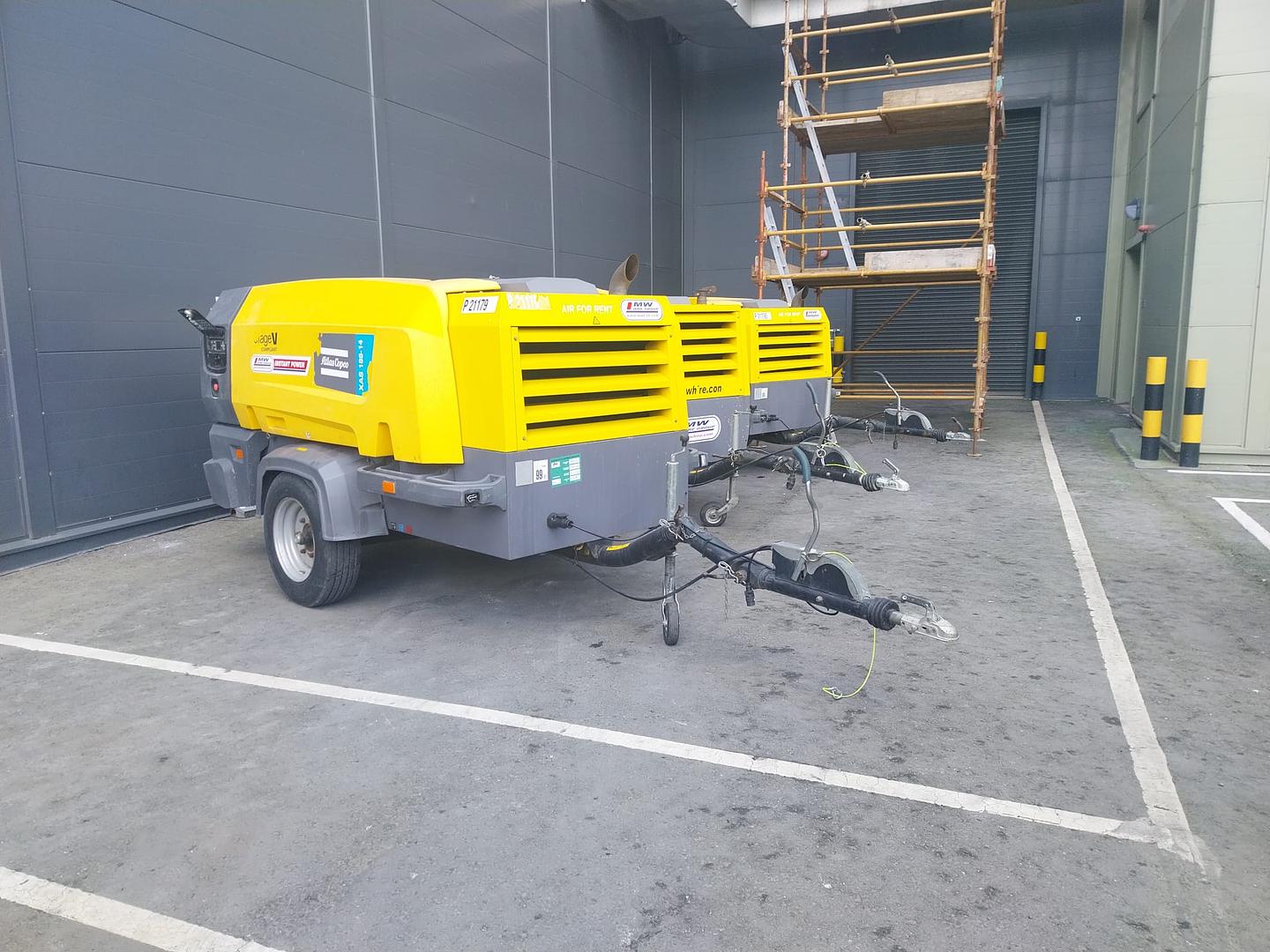
Compressors: What They Are, How They Work, and the Business Benefits You Can Expect
Compressors are often the quiet workhorses behind modern operations—powering pneumatic tools, supporting manufacturing processes, enabling clean and controlled environments, and keeping essential systems running. Whether you manage a small workshop or a large industrial facility, understanding compressor technology and its benefits can help you make smarter equipment decisions, improve productivity, and reduce operating costs.
This guide breaks down what compressors do, the most common types, where they’re used, and why choosing the right compressor (and maintaining it properly) can deliver measurable performance and efficiency gains.
What Is a Compressor?
A compressor is a machine that increases the pressure of a gas (most commonly air) by reducing its volume. The resulting compressed air or compressed gas can then be stored and used as a reliable source of power or process support. In many facilities, compressed air is considered a “fourth utility” alongside electricity, water, and natural gas.
In practice, compressors convert electrical or mechanical energy into pressurized air or gas that can be distributed through piping to operate tools, machinery, and automation systems.
Common Types of Compressors (and Where They Fit Best)
The best compressor for your business depends on air demand, duty cycle, pressure requirements, air quality needs, and operating environment. These are the most widely used compressor types:
Reciprocating (Piston) Compressors
Reciprocating compressors use pistons to compress air in one or more stages. They are often selected for smaller operations or intermittent use.
- Best for: Low-to-moderate airflow needs, intermittent duty, workshops, service bays
- Strengths: Lower upfront cost, widely available, straightforward design
- Considerations: Higher noise levels, more vibration, generally higher maintenance than some alternatives
Rotary Screw Compressors
Rotary screw compressors use two interlocking rotors to compress air continuously. They are a common choice in industrial and commercial settings where consistent, steady air supply is critical.
- Best for: Continuous operation, manufacturing, packaging, production lines
- Strengths: High efficiency at steady loads, continuous airflow, durable and reliable
- Considerations: Higher initial investment, requires proper servicing and filtration
Centrifugal Compressors
Centrifugal compressors use high-speed rotating impellers to accelerate and compress air. They are typically used in larger facilities with high-volume requirements.
- Best for: High-flow, large industrial plants, petrochemical applications, large-scale manufacturing
- Strengths: Excellent for large capacities, often efficient at scale, oil-free options available
- Considerations: Higher capital cost and engineering requirements
Key Benefits of Compressors for Business Operations
1) Reliable Power for Tools, Equipment, and Automation
Compressed air powers a wide range of pneumatic tools and systems—impact wrenches, nail guns, spray equipment, conveyors, pick-and-place devices, and valves. Compared to electric tools in certain applications, pneumatic tools can be lighter and well-suited for repetitive tasks.
For production environments, compressors enable consistent actuation and control for automation, helping keep cycles predictable and reducing downtime related to inconsistent power delivery.
2) Productivity Gains Across Multiple Workflows
When correctly sized and configured, an industrial air compressor system can improve throughput by supporting parallel processes at once. For example, one compressor can power multiple workstations, operate material handling systems, and support cleaning or drying tasks—without the need for separate power units.
This versatility makes compressors valuable in facilities seeking to streamline operations and reduce bottlenecks.
3) Cost Efficiency Over Time (When Properly Managed)
While compressed air can be energy-intensive, a well-designed system can reduce costs through:
- Right-sizing: Avoiding oversized units that waste energy at partial load
- Variable speed drive (VSD/VFD) technology: Matching output to demand instead of running at full speed
- Leak detection and repair: Preventing constant, hidden energy losses
- Heat recovery: Capturing waste heat for space heating or process water in some facilities
For many organizations, the operating cost (electricity, maintenance, and downtime) far exceeds the purchase price over the compressor’s lifespan. Efficiency improvements and preventive maintenance can have a direct impact on total cost of ownership.
4) Cleaner, Higher-Quality Outcomes in Sensitive Applications
Compressors are essential in industries where air quality matters—food and beverage, pharmaceuticals, electronics, medical and dental practices, and high-end finishing. With the right setup, compressed air can be dried and filtered to meet stringent requirements.
Common supporting components include air dryers, particulate filters, coalescing filters, and oil-free compressor options when contamination risk must be minimized.
5) Improved Safety and Reduced Equipment Wear
Compressed air systems can contribute to safer working conditions when used appropriately—particularly in environments where electrical sparking is a concern or where tools must be lightweight and ergonomically manageable. Additionally, regulated air pressure can help protect tools and actuators from damage caused by overpressure or inconsistent supply.
Stable, clean air also reduces wear on pneumatic components such as cylinders, valves, and seals.
Where Compressors Are Used: Practical Examples
Air compressor applications span nearly every sector. Common use cases include:
- Manufacturing: Robotics, automation, packaging lines, clamping and actuating
- Automotive: Tire inflation, pneumatic tools, painting and refinishing
- Construction: Jackhammers, nailers, sandblasters, concrete finishing tools
- Woodworking: Spray finishing, brad nailers, dust cleanup
- Food and beverage: Bottling, conveying, air-knife drying, process support (with proper filtration)
- HVAC and facilities: Controls, valves, maintenance tools, instrumentation air
How to Choose the Right Compressor for Your Needs
Selecting the right compressor is about matching supply to demand—both today and as your operation grows. Key factors to evaluate include:
- Required flow (CFM or m³/h): The total air volume needed for all tools and processes, including peak demand
- Operating pressure (PSI or bar): The pressure required at the point of use, accounting for piping losses
- Duty cycle: Intermittent vs. continuous operation
- Air quality requirements: Dryness and filtration level needed for your application
- Installation constraints: Space, ventilation, noise control, and ambient temperature
- Future expansion: Planning for growth to avoid premature replacement or constant upgrades
Maintenance: The Fastest Way to Protect Performance and ROI
Even the best air compressor can become inefficient or unreliable without routine care. High-impact maintenance practices include:
- Filter replacement: Protects internal components and maintains airflow
- Oil checks (where applicable): Preserves lubrication and reduces wear
- Drain management: Removes moisture from tanks and lines to prevent corrosion and contamination
- Leak audits: Identifies costly system leaks in hoses, fittings, and couplings
- Dryer and separator service: Keeps air quality consistent and protects downstream equipment
Preventive maintenance reduces unexpected downtime, helps maintain energy efficiency, and extends equipment life.
Conclusion: Compressors Deliver Value When They’re Sized, Managed, and Maintained Correctly
Compressors play a central role in powering tools, improving production efficiency, and enabling consistent quality across industries. The biggest benefits—reliability, productivity, and cost control—come from choosing the right compressor type, optimizing the system for real-world demand, and maintaining air quality and performance over time.
If you are evaluating a new air compressor or looking to improve an existing compressed air system, start with a clear assessment of airflow demand, pressure requirements, and air quality needs. With the right approach, compressors can become a strategic asset that supports growth, reduces downtime, and improves operational efficiency.