






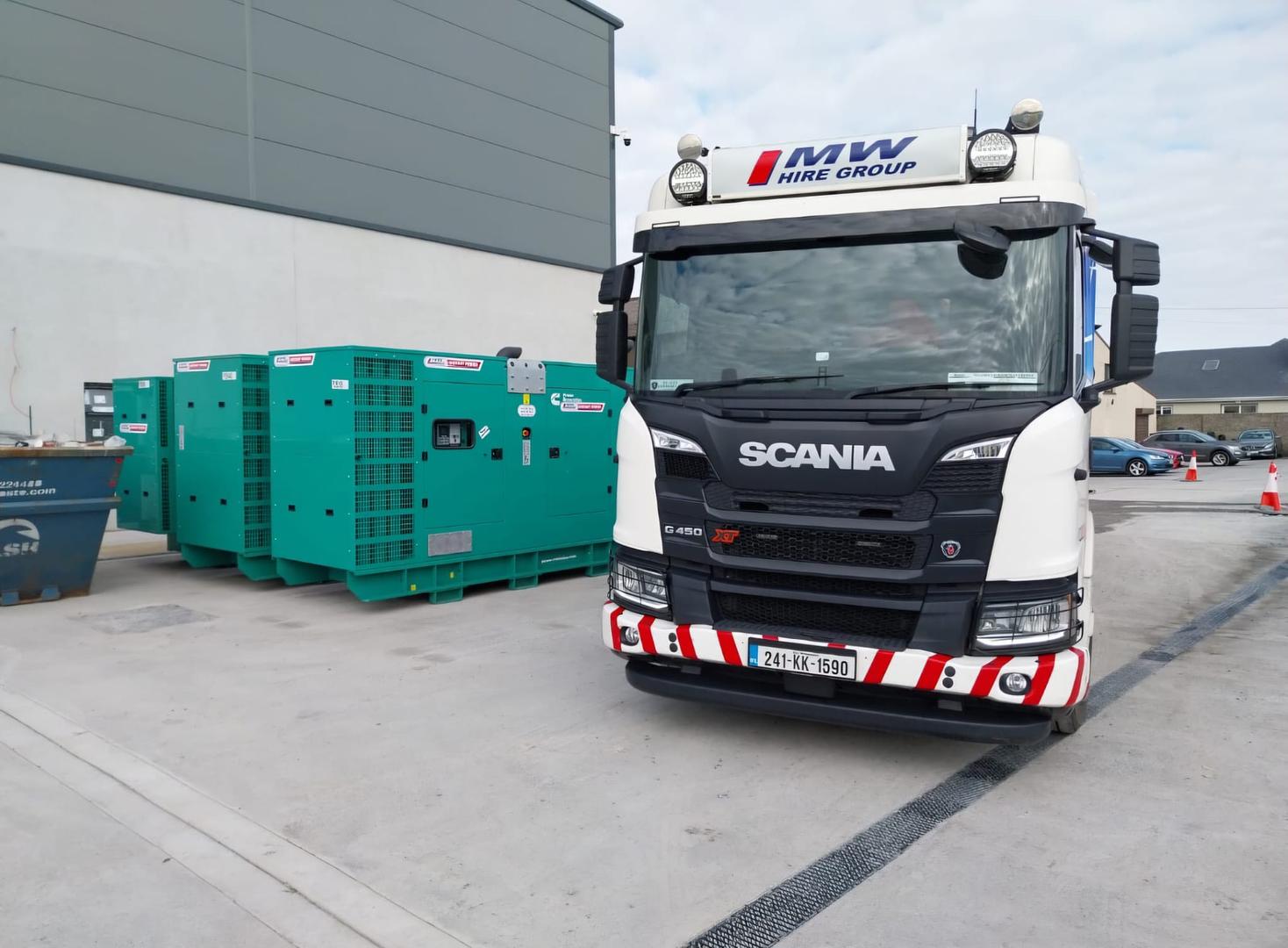
The Benefits of Cummins Generators—and Why Fuel Quality and Maintenance Matter
Reliable backup power is no longer a luxury for many organizations; it is a critical layer of operational resilience. From construction sites and manufacturing plants to healthcare facilities, retail operations, and commercial buildings, power interruptions can lead to safety risks, equipment damage, lost productivity, and reputational harm.
Cummins generators are widely recognized for their performance, durability, and support network. However, even the best generator will only deliver consistent results when it is properly fueled and maintained. This article covers the key benefits of Cummins generators, along with practical guidance on keeping them well-fueled with high-quality fuel and a disciplined maintenance plan.
Why Businesses Choose Cummins Generators
1) Proven Reliability for Critical Power
One of the primary reasons organizations invest in Cummins generator sets is dependable performance when it matters most. A properly sized and installed generator provides stable power during outages, reducing downtime and helping protect critical systems such as servers, HVAC, pumps, refrigeration, medical equipment, and security systems.
For many businesses, reliability is not just about convenience—it is about continuity. A generator that starts promptly and carries the load consistently can prevent costly disruptions and support compliance requirements in regulated environments.
2) Strong Performance and Load-Handling Capability
Cummins generators are designed to handle demanding applications and variable load conditions. In real-world settings, power needs can change quickly: motors start, equipment cycles, and multiple systems run simultaneously. A generator that responds well to load changes helps maintain voltage and frequency stability, supporting sensitive equipment and preventing nuisance trips.
Whether your generator is supporting a single facility or a broader operation with multiple loads, dependable load acceptance and consistent output are key performance advantages.
3) Efficient Operation and Total Cost of Ownership
Fuel is a major operating cost for any generator. While generator efficiency depends on many factors—such as sizing, load profile, and maintenance—Cummins generators are commonly selected for their engineered performance and long-term value. When paired with proper fuel management and preventive maintenance, a quality generator system can deliver an attractive total cost of ownership over its service life.
In addition, correctly sizing your generator to match expected loads (instead of oversizing “just in case”) can help improve operating efficiency and reduce the likelihood of issues associated with running at very light loads.
4) Broad Product Range for Different Applications
Every site has unique requirements. Cummins offers generator solutions that serve a wide range of needs, from standby power for commercial buildings to prime power for remote work sites. This flexibility makes it easier to select a unit that fits your environment, fuel type, runtime expectations, space constraints, and sound requirements.
5) Service Support and Parts Availability
Downtime is often most expensive when service or parts are difficult to obtain. Cummins’ established service network and parts availability can be a significant benefit for businesses that need predictable support. Access to qualified technicians, genuine parts, and consistent service documentation helps keep maintenance on schedule and reduces delays when repairs are required.
The Often-Overlooked Factor: Fuel Quality Determines Performance
Even the most robust generator can underperform—or fail—if fuel quality is neglected. Fuel is not simply a consumable; it is a critical input that affects starting reliability, combustion quality, emissions, and component life. For diesel generators in particular, fuel-related issues are among the most common causes of poor performance and unplanned downtime.
Common Problems Caused by Poor or Old Fuel
- Hard starting or failure to start due to degraded fuel, contamination, or clogged filters.
- Reduced power output and unstable operation caused by poor combustion.
- Injector and fuel pump wear from water or particulates.
- Microbial growth (“diesel bug”) in diesel fuel systems, creating sludge that blocks filters and damages components.
- Corrosion in tanks and fuel lines due to water contamination.
How to Keep Cummins Generators Well-Fueled With Good Fuel
Use the Right Fuel and Buy From Reputable Suppliers
Start with the basics: use the fuel type and grade recommended by the generator and engine documentation, and source fuel from reputable suppliers with good turnover. Fresh fuel reduces the risk of degradation, especially in standby applications where fuel may sit for extended periods.
Manage Fuel Storage Properly
Fuel storage practices directly affect reliability. Storage tanks should be suitable for the fuel type, properly vented, and protected from excessive temperature swings when possible. Keeping tanks clean and dry is essential.
Key storage considerations include:
- Prevent water intrusion by maintaining caps, seals, vents, and fill points.
- Monitor condensation in partially filled tanks; temperature changes can introduce moisture.
- Keep the tank area clean to reduce the chance of dirt entering during refueling.
Test Fuel Periodically—Especially for Standby Generators
Standby generators may run infrequently, making fuel testing and conditioning particularly important. Periodic fuel testing can identify water content, contamination, and degradation before it leads to failure during an outage. For many facilities, establishing a routine fuel testing schedule is a practical insurance policy.
Use Filtration and Water Separation Where Appropriate
Fuel filters and water separators play a major role in protecting injectors and fuel system components. Ensure filters are changed on schedule and that any water separation systems are checked regularly. If fuel quality is a recurring issue, discuss enhanced filtration or fuel polishing options with a qualified service provider.
Maintenance: The Key to Long-Term Generator Reliability
Keeping a Cummins generator in excellent condition is not complicated, but it does require consistency. A preventive maintenance program reduces unexpected failures, extends equipment life, and improves readiness for emergencies.
Follow a Preventive Maintenance Schedule
A comprehensive generator maintenance plan typically includes:
- Regular inspections for leaks, corrosion, loose connections, and abnormal wear.
- Oil and filter changes at recommended intervals based on run hours and time.
- Air filter inspection and replacement to ensure proper airflow and combustion.
- Fuel filter replacement to protect injectors and maintain clean fuel delivery.
- Coolant checks and cooling system service to prevent overheating.
- Battery testing and charger inspection to ensure dependable starting.
Intervals vary by model and usage. The most reliable approach is to align maintenance to the manufacturer’s recommendations and document all service activity for compliance and planning.
Exercise the Generator Under Load
Running the generator periodically is essential—especially for standby units. Exercise runs help confirm starting performance, identify developing issues, and circulate fluids. Where possible, exercising the generator under an appropriate load is beneficial for engine health and can help reduce problems associated with extended low-load operation.
For facilities with critical power requirements, periodic load bank testing may be used to verify performance and ensure the generator can carry expected loads.
Inspect Electrical Components and Controls
Generator reliability depends on more than the engine. Switchgear, automatic transfer switches (ATS), control panels, and wiring connections should be inspected and tested as part of the maintenance program. Control alarms and fault histories should be reviewed to catch patterns early.
Keep Records and Plan for Service Proactively
Maintenance logs provide visibility into the generator’s health and help predict when service is needed. They also support warranty compliance and simplify troubleshooting. Proactive planning—such as scheduling service before peak seasons—reduces the likelihood of discovering issues during an emergency.
Best Practices for Getting the Most From Your Cummins Generator
To maximize uptime and protect your investment, combine quality equipment with disciplined operational habits:
- Size the generator correctly for your load profile and starting requirements.
- Use high-quality, fresh fuel and follow sound storage practices.
- Test fuel periodically to detect contamination and degradation.
- Maintain the unit on schedule, including batteries, filters, fluids, and cooling systems.
- Exercise and test the system, including ATS operation and load performance.
Conclusion: Reliability Comes From the System, Not Just the Brand
Cummins generators offer strong advantages in performance, durability, and support—making them a trusted option for standby and prime power. But the true measure of reliability comes from how the generator is fueled, operated, and maintained over time.
By keeping your generator well-fueled with clean, properly stored fuel—and by following a structured preventive maintenance program—you can improve start reliability, reduce downtime, extend service life, and ensure your power system is ready when your business needs it most.