






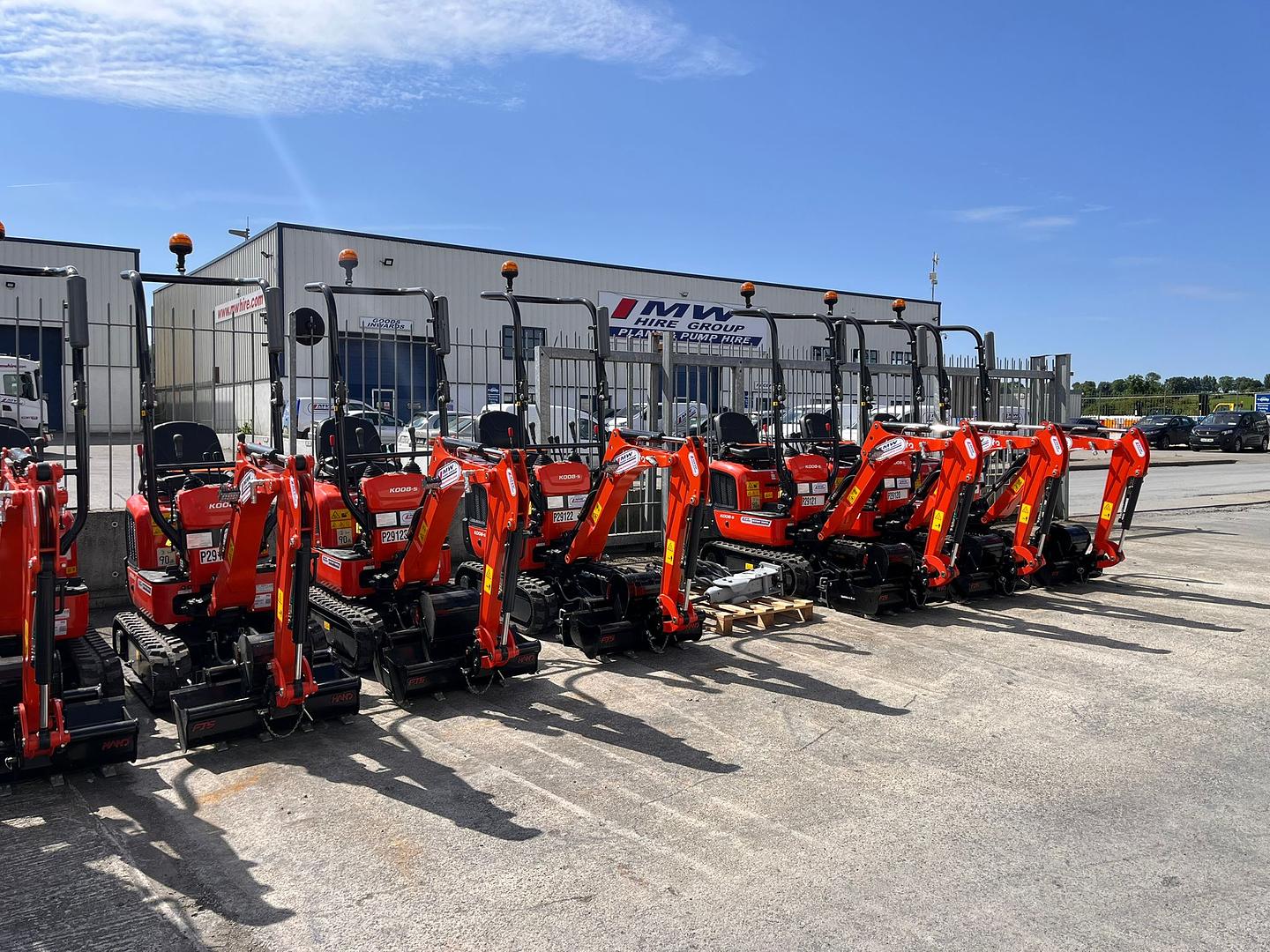
Kubota Mini Diggers: A Practical Guide to Choosing, Using, and Getting the Most from a Compact Excavator
Kubota mini diggers (often called Kubota mini excavators) have earned a strong reputation across landscaping, utilities, residential construction, and farm or estate work. They combine compact size with capable digging performance, making them a go-to machine for tight-access job sites where a full-size excavator would be impractical or too costly to operate.
If you are evaluating a compact excavator for purchase or rental, this guide covers what makes Kubota mini diggers popular, how to choose the right size and configuration, and how to maximize uptime with smart operating and maintenance habits.
Why Kubota Mini Diggers Are Popular on Modern Job Sites
Mini excavators are now a core machine category for many contractors, and Kubota is frequently on shortlists due to a combination of reliability, operator comfort, and strong dealer support. While exact features vary by model and generation, buyers typically value Kubota mini diggers for several consistent advantages:
- Compact footprint: Easier transport and access through gates, around buildings, and into backyards.
- Productive hydraulics: Smooth control for trenching, grading, lifting, and attachment work.
- Model range: Options from very small micro machines to larger compact excavators suitable for heavier trenching and lifting.
- Resale value: Well-maintained Kubota machines often hold value, which can improve total cost of ownership.
- Dealer and parts availability: In many regions, Kubota’s support network simplifies service and minimizes downtime.
Understanding Kubota Mini Digger Lineups: KX vs. U Series
When searching for Kubota mini diggers, you will often see references to series and tail swing configurations. Two common categories include:
KX Series (conventional tail swing): These models typically offer strong stability and performance for their size class. Conventional tail swing can be a good choice when you have adequate space to work and want a balanced machine for trenching and general excavation.
U Series (reduced tail swing / zero tail swing): Reduced tail swing and zero tail swing designs help minimize rear overhang, which is valuable when working next to fences, walls, traffic, or in crowded residential sites. For many contractors, this configuration reduces risk and increases productivity in tight quarters.
Choosing between configurations often comes down to where the machine will spend most of its time: open sites vs. confined spaces.
Key Features to Look for in a Kubota Mini Excavator
Specifications matter, but real-world usability often comes from a handful of practical features. When comparing Kubota mini diggers across model years and configurations, prioritize the elements that affect day-to-day output:
1) Operating Weight and Dig Depth
Match machine size to your typical jobs. A lighter mini digger may be easier to tow and kinder to finished lawns, while a heavier unit generally provides more reach, deeper digging, and better lift capacity. Consider your most common trench depth, the types of soil you encounter, and whether you frequently lift pipes, trench boxes, or materials.
2) Hydraulic Performance and Auxiliary Lines
Attachments can turn a compact excavator into a multi-tool—if the hydraulics support them. Look for auxiliary hydraulic lines and controls that match your attachment plans (for example, a thumb, auger, breaker, or tilt bucket). Smooth, predictable hydraulics also reduce operator fatigue and improve finishing quality.
3) Undercarriage: Tracks, Width, and Job-Site Impact
Kubota mini diggers are commonly offered with rubber tracks, steel tracks, and sometimes adjustable track width on smaller classes. Rubber tracks are popular for landscaping and residential jobs because they reduce surface damage. If you regularly work on rough or rocky ground, track durability and undercarriage guarding become more important.
4) Operator Comfort and Visibility
Small improvements—ergonomic controls, suspension seat options, good sightlines, and a comfortable cab or canopy—add up during long workdays. A well-designed operator station improves productivity and can help reduce rework from imprecise grading or trenching.
5) Service Access and Daily Checks
Fast, straightforward daily inspections support uptime. Look for easy access to filters, dipsticks, grease points, and the cooling package. Machines that are easy to service are more likely to be maintained correctly.
Common Applications for Kubota Mini Diggers
Kubota mini excavators are used across a wide range of tasks. Typical applications include:
- Trenching: Utilities, irrigation, drainage lines, and foundations.
- Landscaping and hardscaping: Grading, boulder placement, pond work, and retaining wall prep.
- Demolition: Light demolition with the right bucket, breaker, and safety practices.
- Material handling: Loading spoil, lifting pallets (with proper lifting points and rated capacities), and moving pipe or timber.
- Site preparation: Stump removal, brush clearing (with appropriate attachments), and footing excavation.
For businesses that want one machine to cover multiple job types, a mini digger can be a strategic investment—especially when paired with the right attachments.
Attachments That Expand What a Kubota Mini Digger Can Do
Attachments are often where return on investment accelerates. Instead of adding specialized machines, many contractors equip a compact excavator with tools that match their service mix. Popular options include:
- Hydraulic thumb: Improves handling of rocks, logs, debris, and demolition material.
- Auger: Efficient post holes for fencing, decks, signage, and planting.
- Hydraulic breaker: Breaks concrete and rock where space is limited.
- Grading or cleanup bucket: Faster finishing and smoother backfilling.
- Tilt bucket or tiltrotator (where supported): Enhances grading, shaping, and working around obstacles.
Before buying attachments, confirm auxiliary hydraulic flow requirements and coupler compatibility. Choosing the correct bucket widths and tooth styles for your soil conditions also makes a noticeable difference in cycle times.
Buying vs. Renting a Kubota Mini Digger: How to Decide
Both approaches can be smart, depending on workload and cash flow. Consider these decision factors:
Buy if: you use a mini digger consistently, want control over availability, and can justify ownership through utilization and long-term project pipeline.
Rent if: your needs are seasonal, you require different sizes from job to job, or you want to test a model before committing. Rental also shifts some maintenance responsibility away from your team.
For growing businesses, a common strategy is to own a core-size Kubota mini excavator and rent specialty sizes or machines for peak demand.
Maintenance Tips to Protect Uptime and Resale Value
Even the best compact excavator depends on consistent care. To keep a Kubota mini digger reliable and protect resale value, focus on the fundamentals:
- Daily walk-around: Check tracks, sprockets, idlers, hydraulic hoses, and fluid levels.
- Keep the cooling system clean: Blow out debris from the radiator and coolers, especially in dusty landscaping work.
- Grease on schedule: Pins and bushings wear quickly when lubrication is neglected.
- Track tension: Incorrect tension accelerates undercarriage wear and can increase derailment risk.
- Protect the hydraulics: Use clean couplers, inspect for leaks, and address hose abrasion early.
Documenting maintenance and using quality wear parts can also support higher resale and smoother trade-in conversations.
What to Check When Shopping for a Used Kubota Mini Excavator
Buying used can be a cost-effective way to get into a premium compact excavator, but inspection matters. Key checkpoints include:
- Undercarriage wear: Tracks, rollers, sprockets, and overall alignment.
- Hydraulic condition: Leaks, hose damage, and smooth operation under load.
- Boom, stick, and bucket play: Excessive slop can indicate pin and bushing wear.
- Engine behavior: Cold starts, smoke, unusual noises, and signs of poor servicing.
- Service history: Records can be as valuable as hours when assessing true condition.
If possible, test the machine through a full cycle: dig, curl, swing, travel, and operate auxiliary functions with an attachment.
Final Thoughts: Choosing the Right Kubota Mini Digger for Your Work
A Kubota mini digger can be an excellent fit for contractors and property professionals who need dependable digging power in a compact package. The best choice comes down to matching machine size, tail swing configuration, and hydraulic capability to your job mix—then protecting your investment through consistent maintenance and smart attachment selection.
If you are comparing models, start by listing your most frequent tasks (typical trench depth, access constraints, lifting needs, and attachments). From there, a Kubota mini excavator becomes easier to evaluate not just on specs, but on real productivity and total cost of ownership.