






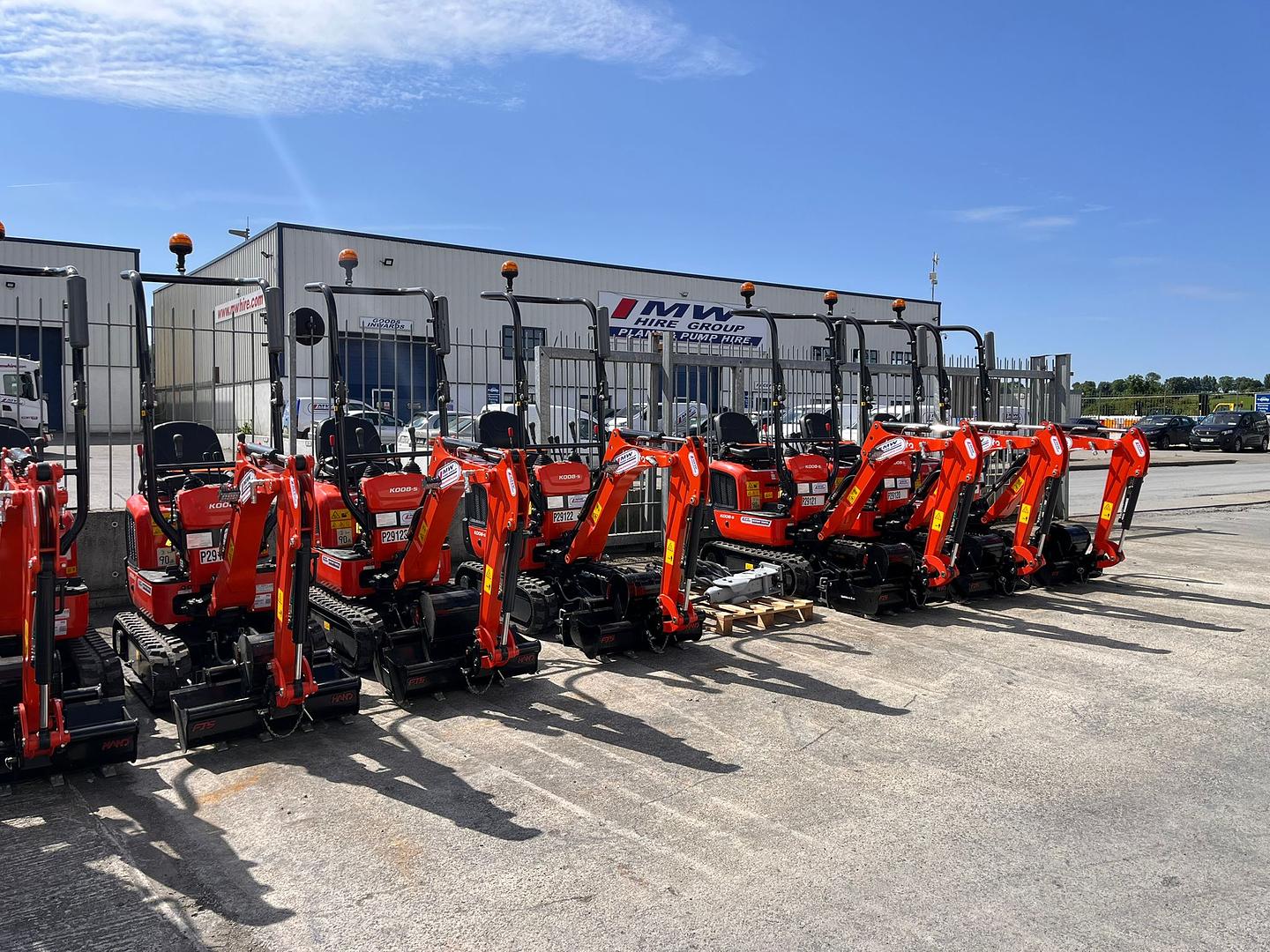
Kubota Mini Diggers: A Practical Guide to Choosing the Right Compact Excavator
Kubota mini diggers (often called Kubota mini excavators) have earned a strong reputation across construction, landscaping, agriculture, and plant hire. Known for reliability, smooth operation, and a wide range of sizes, Kubota’s compact excavator lineup is designed to help operators work efficiently on tight sites without sacrificing performance.
If you are comparing machines for purchase, fleet expansion, or short-term hire, this guide explains what makes Kubota mini diggers popular, how to choose the right model class, and what to consider for long-term value.
Why Kubota Mini Diggers Are a Go-To Choice
Mini diggers are all about versatility. A well-chosen compact excavator can trench, grade, lift, clear, and dig across countless job types—often with one operator and a set of attachments. Kubota mini diggers are widely used because they strike a strong balance between power, control, and ease of ownership.
Key reasons contractors and operators choose Kubota include:
- Strong build quality: Components and undercarriages designed for regular, demanding use.
- Operator comfort: Ergonomic cabs and intuitive controls help reduce fatigue during long shifts.
- Compact access: Many models are designed to work in confined spaces, ideal for urban and residential jobs.
- Attachment versatility: Buckets, breakers, augers, grapples, and tilt systems expand what one machine can do.
- Resale confidence: Well-maintained Kubota mini excavators often retain value, which matters for total cost of ownership.
Understanding Kubota’s Mini Digger Range (What the Series Mean)
Kubota typically organizes compact excavators into categories that suit different working environments:
Zero tail swing (often “U” series): Built for tight spaces where the back of the machine must stay within the track width as much as possible. This is a strong fit for roadside work, domestic driveways, and congested sites.
Conventional tail swing (often “KX” series): Generally offers strong digging performance and stability, with a rear swing that may extend beyond the tracks. These machines are common on open sites where there is room to work efficiently.
Within those ranges, you will find multiple weight classes—from ultra-compact micro excavators for access through gates, to larger mini diggers that can comfortably handle deeper trenches and heavier attachments.
Top Applications for Kubota Mini Excavators
A Kubota mini digger is often one of the most productive assets on a site because it can switch tasks quickly. Common applications include:
- Groundworks and trenching: Utilities, drainage, foundations, and service trenches.
- Landscaping and hardscaping: Grading, digging footings, shaping terrain, and placing materials.
- Demolition preparation: Breaking concrete (with the right breaker and setup) and clearing structures safely.
- Farm and estate maintenance: Ditching, fencing holes with augers, and material handling.
- Rental and plant hire: Kubota mini diggers are frequently chosen for hire fleets due to broad demand.
How to Choose the Right Kubota Mini Digger for Your Work
Before selecting a model, focus on matching the machine to your most common jobs—not the occasional worst-case scenario. Oversizing can add cost and reduce access, while undersizing may limit productivity and increase wear.
1) Job type and digging requirements
Consider typical trench depth, soil conditions, and whether you will be lifting materials. If your work is primarily shallow trenching and garden projects, a smaller Kubota mini excavator may be ideal. For deeper drains, heavier ground, or regular lifting, you may benefit from a larger weight class with more stability.
2) Site access and working space
Access is a deciding factor for many buyers. Measure gate widths, tight pathways, and turning areas. If you frequently work close to walls, fences, or traffic, a zero tail swing Kubota mini digger can help reduce the risk of accidental contact and improve confidence in tight areas.
3) Attachments you plan to run
Attachments are where mini diggers deliver real return. Make sure your chosen machine can support the hydraulic flow and pressure required for the tools you want to use. Typical attachments include:
- General-purpose and grading buckets (including ditching buckets)
- Hydraulic breaker for concrete and hard material
- Auger for fencing and planting holes
- Grapple for clearing and handling brush or debris
- Tilt bucket or tiltrotator for precision shaping and finishing
4) Operator experience and comfort
On busy sites, comfort and visibility are productivity features. Look for a layout that supports your operators, along with good access for entry/exit, clear sightlines to the bucket, and straightforward controls. If multiple operators will use the machine, simple, consistent operation helps reduce mistakes and training time.
Ownership vs. Hire: What Makes Sense for Your Business?
Many companies start with Kubota mini digger hire to prove demand, then purchase once utilization becomes predictable. As a general rule:
- Hire is ideal for short projects, seasonal peaks, or testing different sizes before committing.
- Buying new can make sense when you need consistent reliability, warranty support, and known service history.
- Buying used can be cost-effective if you inspect condition carefully and confirm maintenance records.
For fleet owners, availability of parts, service support, and consistent operator familiarity can strongly influence lifetime value.
Maintenance Tips to Keep Kubota Mini Diggers Performing
Proper maintenance protects uptime and resale value. Whether you own one machine or manage a fleet, consistent checks reduce avoidable repairs.
- Inspect tracks and undercarriage: Clean out debris and check for unusual wear, especially after muddy or demolition work.
- Check hydraulic hoses and fittings: Look for leaks, cracking, and abrasion points.
- Grease key pivot points: Regular lubrication supports smoother movement and reduces premature wear.
- Monitor fluids and filters: Engine oil, coolant, hydraulic fluid, and air filtration all impact performance.
- Use correct attachments and couplers: Poor fitment can cause stress, inefficiency, and safety risks.
Also consider operator habits: careful warm-up, correct digging technique, and proper shutdown procedures can extend component life significantly.
What to Look for When Buying a Used Kubota Mini Excavator
A used Kubota mini digger can deliver excellent value, but inspection is crucial. Focus on the areas that reveal how the machine was treated:
- Service records: Evidence of regular servicing is a major positive.
- Hydraulics: Smooth operation without jerking, excessive noise, or visible leaks.
- Boom, dipper, and bucket wear: Check pins and bushes for play; excessive movement may indicate heavy wear.
- Undercarriage condition: A worn undercarriage can be a significant future cost.
- Controls and safety features: Ensure safety lockouts and key functions operate correctly.
Final Thoughts: Finding the Best Kubota Mini Digger for Your Site
Choosing the right Kubota mini digger is about aligning machine size, site access, and attachment needs with the work you do most often. From tight-access residential landscaping to commercial trenching and utility projects, Kubota mini excavators offer a flexible, proven platform that can support productivity day after day.
If you are comparing models, consider writing down your top three job types, your tightest access measurement, and the attachments you plan to run. With those details in hand, it becomes much easier to identify the best-fit compact excavator—and to invest with confidence.