






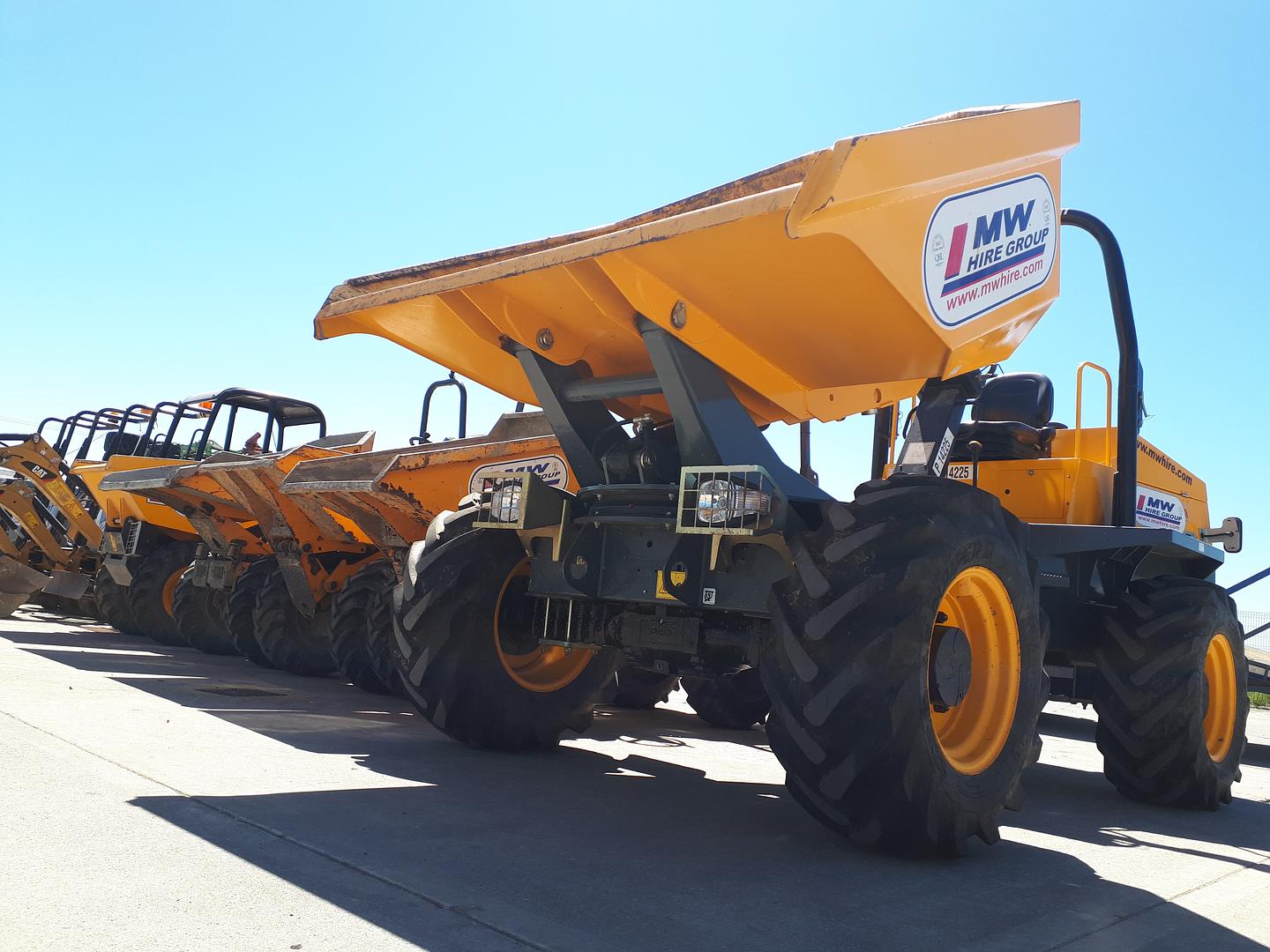
Dumpers in Construction: Types, Benefits, and How to Choose the Right One
On busy construction and landscaping sites, moving materials efficiently can make the difference between staying on schedule or losing valuable time. Dumpers—also called site dumpers or dumper trucks—are purpose-built machines designed to transport bulk materials such as soil, rubble, gravel, sand, and debris across short distances. Their compact footprint, strong payload capacity, and jobsite-ready stability make them a staple in modern material handling.
This guide explains what dumpers are, the key benefits they deliver, the most common types, and practical considerations for selecting, operating, and maintaining the right dumper for your project.
What Is a Dumper (and What Is It Used For)?
A dumper is a powered vehicle with an open bed that tips forward or to the side to unload material. Unlike road-going dump trucks, site dumpers are typically designed for uneven terrain and tighter work areas, making them ideal for:
- Construction sites (moving aggregate, excavated soil, demolition waste)
- Groundworks and utilities (backfill, trench spoil, pipe bedding materials)
- Landscaping and hardscaping (topsoil, mulch, stone, pavers)
- Agriculture and estate work (feed, manure, general transport)
- Indoor or constrained spaces (with compact or electric mini dumpers)
Dumpers are frequently paired with excavators and loaders, providing a fast “dig-load-haul-dump” workflow that improves overall site productivity.
Key Benefits of Using Dumpers
1) Faster Material Handling and Improved Productivity
Manual hauling or relying on multipurpose equipment for short-distance transport can slow a project significantly. Dumpers are designed to shuttle materials repeatedly and efficiently, reducing cycle times and keeping crews focused on skilled tasks rather than moving loads by hand.
2) Better Access on Tight or Uneven Sites
Many jobsites have limited access, narrow pathways, or rough terrain. Compact and articulated dumper designs can navigate where larger vehicles cannot, helping teams maintain momentum even when space is constrained.
3) Reduced Labor Strain and Lower Injury Risk
Moving heavy material by wheelbarrow or hand increases the risk of strain and injury. By mechanizing transport, dumpers help reduce musculoskeletal injuries, improve site ergonomics, and support safer working practices.
4) Cleaner, More Controlled Dumping
A controlled tipping mechanism makes it easier to place material precisely—into skips, stockpiles, or backfill zones—reducing spillage and minimizing rework. Many models also offer swivel-tip functions for accurate unloading in tight corners.
5) Cost Savings Through Efficiency
While dumpers require an upfront investment or rental cost, they often pay for themselves through fewer labor hours, faster project completion, and reduced downtime. For businesses that handle frequent earthmoving or landscaping projects, the return on investment can be substantial.
6) Versatility Across Multiple Applications
From moving spoil to transporting tools and supplies, dumpers are useful across project phases. With the right attachments or bed configurations, some models can support specialized tasks such as concrete handling or high-tip unloading.
Common Types of Dumpers (and Where They Excel)
Mini Dumpers (Compact Dumpers)
Mini dumpers are small, highly maneuverable machines built for confined access, including gates, narrow walkways, and indoor environments. They are widely used in landscaping, renovation projects, and urban construction where space is limited.
Forward-Tip Site Dumpers
These are classic site dumpers with a front-tipping skip. They are straightforward, robust, and well-suited for general construction hauling on small to mid-sized sites.
Swivel-Tip Dumpers
Swivel-tip dumpers can rotate the skip to unload to the side, which is valuable when you cannot reposition the machine easily. They are especially useful for trench backfill, working alongside foundations, or placing material precisely in narrow areas.
High-Tip Dumpers
High-tip models raise the skip higher to tip into taller containers such as skips or hoppers. They can help reduce manual shoveling when loading waste receptacles and can streamline clean-up on demolition or renovation jobs.
Articulated Dumpers
Articulated dumpers feature a pivot joint between the front and rear, improving traction and turning on uneven terrain. They are often used on larger sites, challenging ground conditions, and projects requiring higher payload capacities.
Tracked Dumpers
Tracked dumpers provide excellent traction and low ground pressure, making them a strong choice for soft ground, mud, slopes, and sensitive surfaces where wheel ruts are a concern.
Electric and Low-Emission Dumpers
Electric dumpers support quieter operation and reduced emissions—often important for indoor work, city-center projects, and sites with strict environmental requirements. They can also improve working conditions for crews operating in close proximity to equipment.
How to Choose the Right Dumper for Your Project
Selecting the right dumper truck or site dumper depends on site constraints, load requirements, and operational goals. Focus on these key factors:
Payload Capacity and Skip Volume
Match capacity to your typical material type and job workflow. Overloading increases wear, impacts braking and stability, and can create safety risks. Consider both weight capacity and volume, since lighter materials can fill the skip before reaching max weight.
Site Conditions and Terrain
For uneven or soft ground, tracked or articulated models may be more suitable. For stable, compacted areas, wheeled dumpers may offer speed and efficiency. Consider gradients, ground firmness, and typical travel routes.
Access Constraints and Turning Radius
Measure gate widths, pathway clearances, and working areas. In restricted spaces, mini dumpers or swivel-tip models can reduce the need for repositioning and minimize site congestion.
Power Source: Diesel, Gas, or Electric
Diesel remains common for heavy-duty outdoor work, while electric options are increasingly popular for indoor use, low-noise environments, or sustainability-focused projects. Evaluate run time, charging logistics, and fuel availability.
Safety Features and Operator Comfort
Look for practical safety elements such as stable braking, clear visibility, anti-slip steps, operator presence controls, and protective structures where required. Comfortable controls and ergonomics can also improve productivity and reduce fatigue.
Rental vs. Purchase
If your business has ongoing projects, purchasing can be cost-effective over time. If needs are seasonal or project-based, renting may provide flexibility and access to newer models without long-term maintenance obligations.
Best Practices for Safe Operation and Maintenance
Dumpers are powerful machines and should be treated as critical safety equipment on site. Strong operating standards help protect workers and keep projects moving.
Operator Training and Site Rules
Ensure operators are trained for the specific dumper type and understand site traffic plans. Establish clear rules for travel paths, tipping zones, and pedestrian separation.
Daily Pre-Use Checks
Regular checks help prevent failures and reduce downtime. Typical inspections include tires or tracks, brakes, steering, hydraulics, tip mechanism, fluid levels, and any safety guards or alarms.
Load Management
Avoid uneven loads, keep travel speeds appropriate for terrain, and reduce tipping risks by dumping on stable ground. When working on slopes, follow manufacturer guidance closely and avoid tipping where instability is likely.
Planned Servicing
Preventative maintenance—filters, fluids, hydraulic inspections, and wear component checks—extends machine life and helps keep operating costs predictable.
Why Dumpers Are a Smart Investment for Construction and Landscaping Businesses
For contractors focused on productivity, safety, and predictable project timelines, dumpers offer a reliable way to optimize material transport. By selecting the right dumper for your site—whether a compact mini dumper for tight access or an articulated dumper for rough terrain—you can reduce labor strain, improve turnaround times, and maintain a cleaner, more organized jobsite.
If you are evaluating options, start with your most common material type, typical haul distance, and site constraints. From there, compare dumper types and capacities to find the best fit for performance, safety, and cost efficiency.