






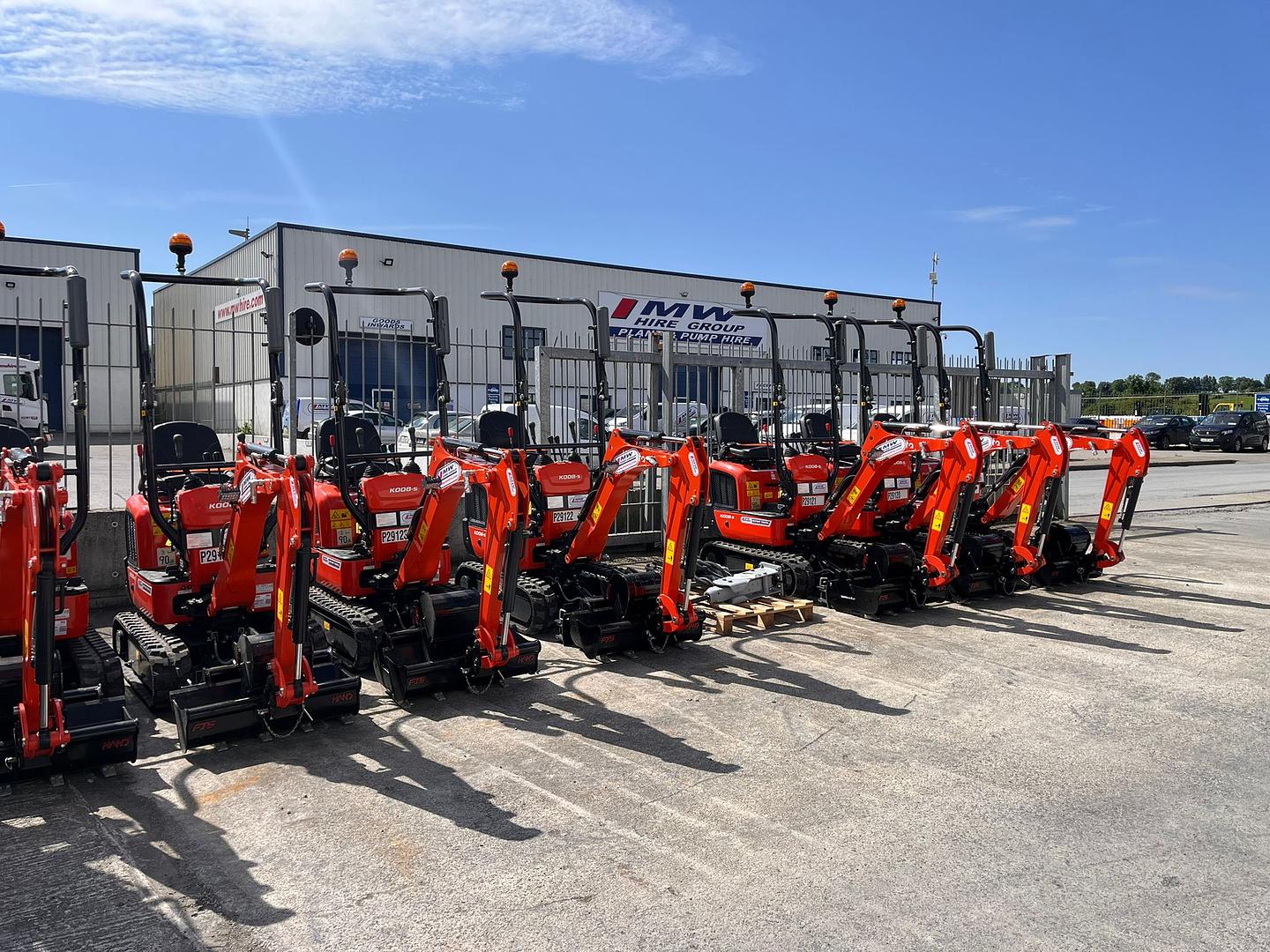
Mini Diggers in Summer: Key Benefits and the Most Popular Jobs This Time of Year
Mini diggers (often called mini excavators or compact excavators) have become a staple on modern work sites—from residential landscaping to utilities and light commercial groundwork. Their appeal is simple: they deliver serious digging power in a small footprint, making them ideal for tight access, fast turnarounds, and jobs where precision matters.
As summer arrives, mini digger demand typically climbs. Drier ground conditions, longer daylight hours, and a surge in outdoor property improvements make this the busiest season for landscaping, drainage, and small-scale construction projects. Below is a practical guide to the benefits of mini diggers and what’s most topical this time of year.
What Is a Mini Digger (Mini Excavator)?
A mini digger is a compact version of a traditional excavator, usually ranging from around 0.8 to 8 tonnes. Many models are designed with features that suit close-quarters work, such as zero tail swing or reduced tail swing, rubber tracks for low ground impact, and compatibility with a wide range of attachments.
For contractors, landscapers, and property owners, the big advantage is versatility: one machine can dig trenches, shape terrain, lift materials, break out old concrete, and support dozens of seasonal maintenance tasks.
The Core Benefits of Mini Diggers
1) Access Where Larger Machines Cannot
Mini diggers are built for restricted sites: narrow gates, side passages, tight driveways, and built-up urban areas. This is a major advantage for residential work, garden projects, and maintenance jobs where a full-size excavator would be impractical or would require costly site prep.
2) Lower Ground Impact and Cleaner Sites
Rubber tracks and lighter operating weights help reduce damage to lawns, paved surfaces, and finished landscaping. That matters in summer when many clients want improvements without turning a garden into a building site for weeks.
3) Strong Performance for Their Size
Modern compact excavators offer impressive breakout force and hydraulic performance. With the right bucket and technique, a mini digger can handle a wide range of digging and grading tasks while keeping fuel use and operating costs under control.
4) Versatility Through Attachments
A mini excavator becomes a multi-tool with the right attachments. Common options include:
- Trenching buckets for utilities, irrigation, and drainage runs
- Grading buckets for finishing, shaping, and landscaping
- Augers for fence posts, decking footings, and planting holes
- Hydraulic breakers for concrete, hardstanding, and small demolition
- Grapples for clearing brush, moving logs, and handling waste
For small businesses, this flexibility can reduce reliance on multiple machines and shorten project timelines—particularly useful during the summer rush.
5) Cost-Effective Ownership or Hire
Mini diggers are often easier to justify financially than larger equipment, especially for companies doing frequent small-to-medium projects. Many operators choose to hire or rent a mini digger for peak-season demand, avoiding maintenance and storage costs while still delivering professional results.
What’s Topical This Time of Year: Summer Mini Digger Projects
In summer, mini diggers are in high demand for outdoor upgrades, groundworks, and property maintenance. Here are the jobs that typically surge this season.
Landscaping, Garden Renovations, and Regrading
Summer is prime time for garden transformations—patios, lawns, terraces, raised beds, and general reshaping. A mini excavator speeds up:
- Removing old turf, shrubs, and roots
- Regrading for a level lawn or better surface water flow
- Preparing bases for patios, paths, and outdoor structures
- Moving soil, stone, and aggregates efficiently on site
Because compact excavators allow more accurate shaping than many manual methods, they help create cleaner finishes and reduce rework.
Drainage Improvements and Water Management
Ironically, summer is one of the best seasons to plan for wet weather. When the ground is more workable and schedules are less disrupted by rain, it’s easier to install or improve:
- French drains and soakaways
- Channel drains and surface run-offs
- Land drains for fields or large gardens
- Reprofiling to direct water away from buildings
A mini digger makes trenching and backfilling much faster and more consistent, which helps drainage systems perform as designed.
Irrigation and Utilities Trenching
Long dry spells increase interest in irrigation systems for lawns, sports surfaces, gardens, and nurseries. Compact excavators are ideal for clean trenches for:
- Irrigation piping and valve boxes
- Electrical conduit for garden lighting or outbuildings
- Water supplies to outdoor taps, workshops, or stables
Using the correct bucket width and maintaining consistent depth can reduce material use and support easier reinstatement.
Fencing, Decking, and Outdoor Structures
Summer projects often include new boundaries, privacy screening, pergolas, and decks. With an auger attachment, a mini excavator can create uniform post holes quickly—particularly valuable for long fence lines where hand-digging is slow and inconsistent.
Pool, Pond, and Water Feature Excavation
Warm weather sparks interest in pools, ponds, wildlife areas, and decorative water features. Mini diggers provide the control needed for shaping contours, shelves, and depths. They can also help with spoil removal and base preparation—two of the most time-consuming parts of these builds.
Light Demolition and Site Clearance
Summer is also a common time for replacing patios, removing old sheds, clearing brambles, or preparing a site for a new driveway or extension. With the right attachment, compact excavators can break out small slabs, lift debris into skips, and streamline clearance work—while keeping access and disruption manageable on residential sites.
Hot-Weather Operating Tips for Mini Diggers
Summer conditions can be productive, but they also bring heat, dust, and harder ground. A few best practices can reduce downtime and improve results:
- Watch coolant and hydraulic temperatures: clean radiator and cooler fins regularly, especially in dusty environments.
- Plan around ground conditions: in very dry spells, consider pre-wetting areas to reduce dust and improve digging consistency.
- Check track tension and wear: hot, dry conditions can accelerate wear if tension is incorrect or debris builds up.
- Protect finished surfaces: use track mats when crossing driveways, paving, or delicate landscaping.
- Use the right bucket and attachment: correct sizing improves productivity and reduces strain on the machine.
Choosing the Right Mini Digger for the Job
If you’re hiring or selecting a compact excavator for summer projects, focus on practical fit rather than maximum size. Key considerations include:
- Access: measure gates, paths, and turning space before booking.
- Operating weight: match the machine to ground conditions and transport options.
- Zero tail swing: useful for tight gardens, near walls, and roadside work.
- Attachments: confirm availability (grading bucket, auger, breaker) to avoid delays.
Many projects run smoother when the mini digger is paired with the right support equipment, such as a tracked dumper or a compact loader, especially for moving spoil and aggregates efficiently.
Why Mini Diggers Stay in Demand All Summer
Mini diggers hit a sweet spot: powerful enough to transform a site quickly, compact enough to work where larger machinery cannot, and flexible enough to take on a wide range of seasonal tasks. In summer, that combination aligns perfectly with the market’s busiest workload—landscaping upgrades, drainage installations, trenching, fencing, and outdoor living projects.
If you’re planning work in the coming weeks, booking early is wise. Summer calendars fill fast, and securing the right mini excavator hire option and attachments can be the difference between a smooth job and costly downtime.