






Woodchippers: Benefits, Best Times of Year to Use One, and Practical Tips for Cleaner, Healthier Landscapes
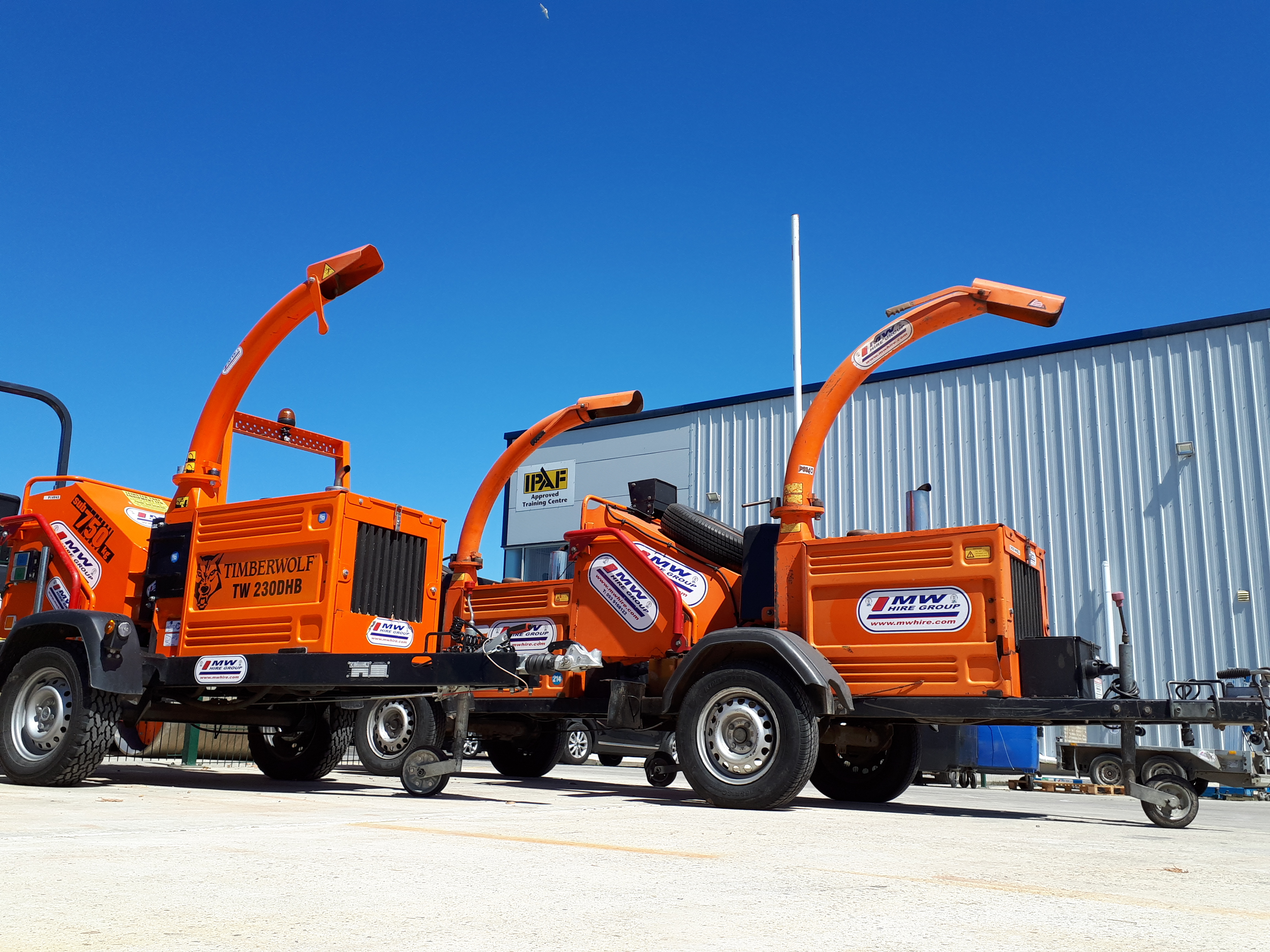
A woodchipper (also called a brush chipper) is one of the most efficient tools for turning bulky branches, brush, and tree debris into usable wood chips. For homeowners, landscapers, and property managers, woodchippers can reduce cleanup time, cut disposal costs, and support smarter landscaping by converting yard waste into mulch. If you regularly deal with pruning, storm debris, land clearing, or routine garden maintenance, understanding the benefits of a wood chipper—and the best time of year to use it—can help you plan projects and protect your property.
What Is a Woodchipper and What Can It Do?
Woodchippers are machines designed to process limbs, branches, and woody brush into smaller pieces. Depending on the model, a wood chipper can handle anything from light garden trimmings to thicker limbs common in tree removal and storm cleanup. Many users choose between electric woodchippers for smaller residential tasks and gas-powered or commercial woodchippers for larger volumes of tree debris.
Common uses include:
- Chipping branches and brush after pruning, tree trimming, or hedge clearing
- Reducing yard waste volume to simplify hauling and disposal
- Creating wood chips for mulch to improve garden beds and paths
- Supporting land clearing and property maintenance in rural or wooded areas
Top Benefits of Using a Woodchipper
1) Faster, More Efficient Yard Cleanup
One of the biggest advantages of a wood chipper is speed. Instead of cutting branches into small pieces for bagging or repeated trips to a green waste facility, chipping turns piles of brush into manageable wood chips quickly. This is especially valuable after seasonal pruning or heavy winds when branches accumulate quickly.
2) Lower Disposal Costs and Fewer Hauling Trips
Tree debris is bulky. A woodchipper dramatically reduces volume, which can mean fewer dump runs and lower yard waste disposal fees. For landscaping businesses and property managers, this can translate into real savings across a season—especially on properties with frequent trimming schedules.
3) Free Mulch for Landscaping and Garden Beds
Chipped material can be repurposed as garden mulch, helping retain moisture, regulate soil temperature, and suppress weeds. Using wood chips in landscaping is also an easy way to give paths and planting beds a finished, cohesive look. While fresh wood chips can be a great surface mulch, keep them a few inches away from tree trunks and plant stems to reduce the risk of rot and pest issues.
4) Improved Property Safety and Aesthetics
Brush piles can become tripping hazards, block access points, and attract pests. Chipping keeps your property cleaner and reduces clutter after pruning or storm cleanup. For commercial properties, keeping grounds tidy supports a professional appearance and safer walkways.
5) Better Project Planning for Tree Care and Maintenance
When chipping is part of your plan, you can schedule pruning and clearing more confidently. Instead of letting piles build up for weeks, you can handle debris the same day. This is useful for annual maintenance, pre-sale property improvements, and seasonal landscaping refreshes.
Best Time of Year to Use a Woodchipper
The ideal time to use a wood chipper depends on your climate, the type of vegetation you’re managing, and your landscaping goals. However, there are clear seasonal patterns that make chipping more convenient and effective.
Spring: Post-Winter Cleanup and Early Growth Control
Spring is a popular season for woodchippers because many properties need cleanup after winter storms. It’s also a prime time for pruning certain trees and shrubs (depending on species) before peak growth. Chipping in spring helps you:
- Clear fallen branches and winter damage
- Prepare beds and paths with fresh wood chip mulch
- Reduce brush before mowing and active lawn maintenance ramps up
Summer: Routine Trimming and Storm Debris Management
In summer, homeowners and landscaping crews often manage fast-growing shrubs, hedges, and overhanging branches. Summer storms can also create sudden debris piles. Using a wood chipper in summer is effective, but plan around heat and dry conditions. Keep in mind that dry brush can feed quickly, so maintain safe operating habits and avoid rushing.
Fall: The Prime Season for Pruning and Property Prep
For many regions, fall is one of the best times of year to use a wood chipper. As growth slows, it becomes easier to see tree structure, and you can prepare your property for winter weather. Chipping in fall is especially useful for:
- Reducing branches that could break under snow or heavy winds
- Clearing brush and dead limbs before winter
- Creating mulch to protect soil and plant roots during temperature swings
Winter: Best for Major Clearing (When Conditions Allow)
In mild climates, winter can be an excellent time for major pruning, land clearing, and thinning because many trees are dormant. In colder regions, icy conditions and frozen wood can make work more challenging. If you use a wood chipper in winter, prioritize stable footing and avoid operating in slick conditions.
Choosing the Right Woodchipper for Your Needs
The best wood chipper depends on how much debris you produce and the maximum branch diameter you need to process. A general rule: choose a machine that comfortably exceeds your typical branch size to avoid jams and reduce strain.
- Electric woodchippers are often suitable for small yards, lighter branches, and occasional use.
- Gas-powered woodchippers offer more power and portability for larger properties and heavier brush.
- Commercial woodchippers are designed for high-volume professional work, thicker limbs, and frequent use.
If you only need a chipper once or twice per year, renting a wood chipper can be cost-effective. For frequent pruning, storm cleanup, or ongoing grounds maintenance, owning a reliable unit may provide better long-term value.
Woodchipper Safety and Maintenance Essentials
Because woodchippers are powerful machines, safety and upkeep matter as much as performance. Follow manufacturer guidance and consider these best practices:
- Wear proper protective gear including eye and hearing protection, gloves, and close-fitting clothing.
- Feed material correctly and never reach into the chute; use push tools if recommended by the manufacturer.
- Keep blades sharp to improve chip quality, reduce jams, and extend machine life.
- Check belts, bolts, and fluid levels regularly (for gas models) to prevent downtime.
- Work on stable ground and keep bystanders at a safe distance.
How to Use Wood Chips Around Your Property
Once you have a fresh pile of chips, put it to work. Wood chips are commonly used for:
- Mulching garden beds to retain moisture and suppress weeds
- Creating natural pathways in gardens and wooded areas
- Reducing mud in high-traffic spots such as around sheds or gates
- Protecting soil from erosion on slopes when applied properly
For best results, apply chips in a consistent layer and avoid piling them directly against trunks or siding. If you’re chipping mixed species, you’ll typically get a versatile mulch blend suitable for general landscaping use.
Conclusion: A Woodchipper Turns Yard Waste Into a Landscaping Advantage
Woodchippers make property maintenance easier by reducing brush and tree debris, cutting disposal time, and producing wood chips you can reuse as mulch. Whether you plan a spring cleanup, tackle storm debris in summer, prepare for winter in fall, or manage dormant-season clearing, choosing the right wood chipper and using it safely can streamline your landscaping work and improve the health and appearance of your outdoor space.
If you’re considering renting or buying, start by estimating the volume of yard waste you handle each season and the maximum branch size you need to chip. With the right plan, a wood chipper becomes more than a cleanup tool—it becomes a practical investment in efficient, sustainable property care.