






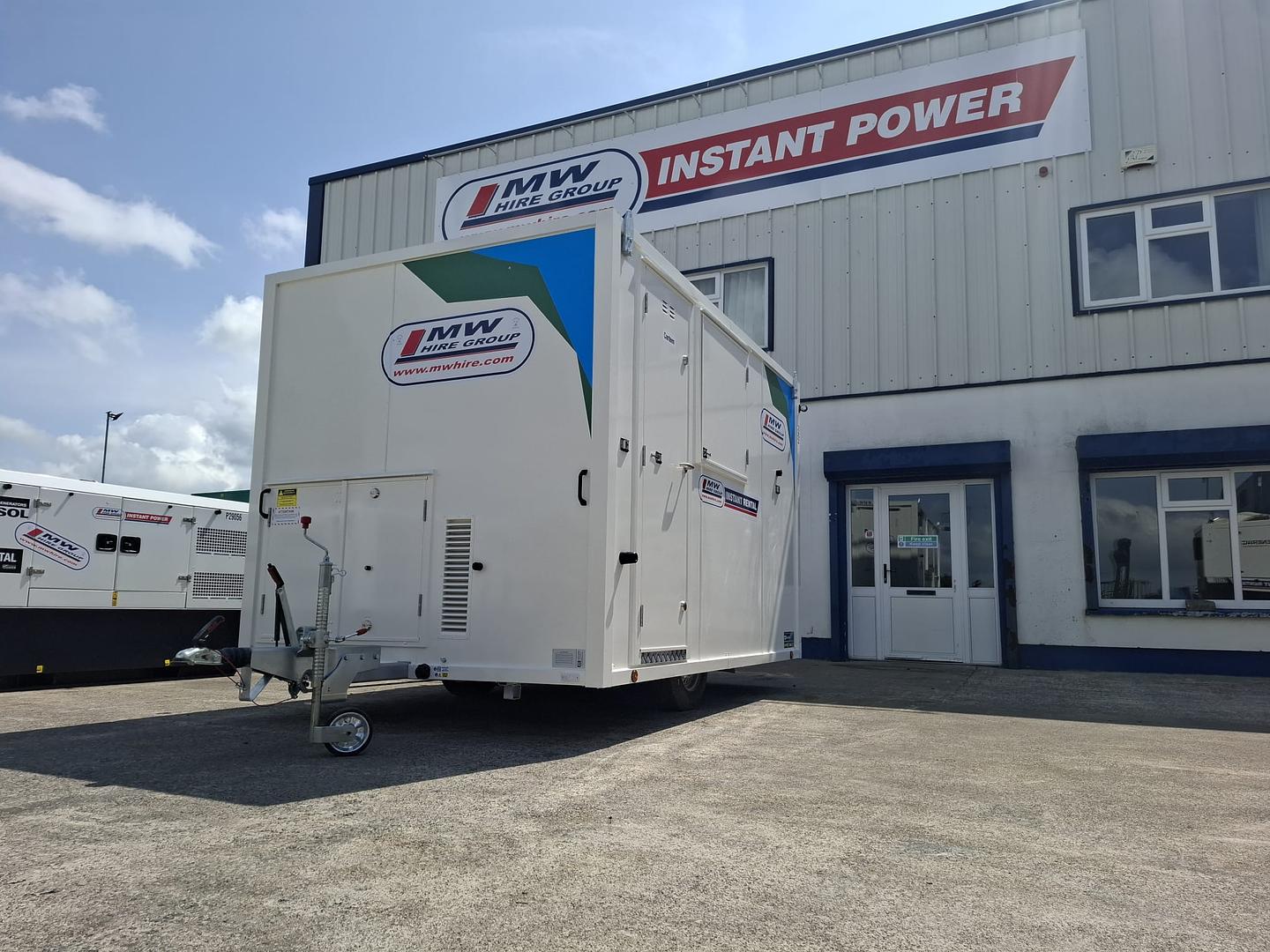
Welfare Units for Hire: A Practical Guide for Construction Companies (Benefits, Compliance, and Best Practice)
Every construction site needs more than tools, materials, and skilled labour to operate efficiently. It needs reliable, compliant welfare facilities that keep teams safe, supported, and productive from day one. That is why welfare units for hire have become a standard solution for contractors managing short-term projects, multi-site programmes, or rapidly changing site layouts.
This guide explains what welfare units are, why hiring often makes more sense than buying, and the key benefits construction companies can expect—covering everything in one place.
What Are Welfare Units in Construction?
Construction welfare units are self-contained, portable facilities that provide essential on-site amenities for workers. Depending on the unit type, they can include:
- Toilets (chemical or mains-connected options)
- Handwashing with hot and cold water
- Canteen/break areas with seating and tables
- Drying rooms or heated spaces for wet PPE
- Kitchenette facilities (sink, microwave space, hot water urn)
- Lighting, heating, and ventilation
Many modern portable welfare cabins are designed for quick deployment, robust site conditions, and straightforward servicing—making them ideal for both urban and remote locations.
Why Hire Welfare Units Instead of Buying?
For most construction companies, hiring welfare facilities is a more flexible and cost-effective approach than purchasing. Buying can be worthwhile for large firms with constant, predictable demand. However, hire is often the smarter choice when projects vary in size, duration, and location.
With welfare unit hire, you can scale up or down as the site evolves, avoid long-term storage and maintenance responsibilities, and ensure the facilities meet current expectations and compliance standards.
The Key Benefits of Welfare Units for Hire (All in One)
1) Supports Compliance and Site Readiness
Construction welfare is not optional. Having suitable welfare facilities in place helps you meet health and safety obligations and reduces the risk of delays, enforcement action, or reputational damage. Hiring from a reputable supplier typically makes it easier to secure appropriate specifications quickly and demonstrate due diligence.
In practical terms, it means your site is operational sooner—with welfare arranged as part of the mobilisation plan rather than a last-minute scramble.
2) Improves Productivity and Reduces Downtime
When welfare is inadequate, teams leave site to find toilets, hot drinks, or a warm space during bad weather. That adds up to real time lost each day. A properly positioned welfare unit keeps breaks efficient, reduces unnecessary travel, and helps workers return to tasks focused and ready.
In colder months, heated welfare spaces and drying facilities can be particularly valuable—helping maintain comfort, reduce fatigue, and support consistent output.
3) Enhances Worker Wellbeing and Morale
Welfare is closely linked to wellbeing. Clean toilets, hot water for handwashing, and a comfortable place to rest during breaks send a clear message that the workforce is valued. That can improve morale and retention, especially on longer projects or sites with demanding conditions.
Better welfare is also increasingly important for attracting and keeping skilled labour in competitive markets.
4) Cost Control and Predictable Budgeting
Hiring turns a large capital outlay into a manageable operating cost. This can be particularly useful for project-based budgeting, tendering, and cash flow planning. Depending on your supplier and contract, hire can include delivery, setup, servicing schedules, and breakdown support—reducing surprise expenses.
It also eliminates hidden ownership costs such as storage, depreciation, refurbishment, compliance updates, and eventual disposal.
5) Flexibility for Changing Sites and Programmes
Construction rarely stays still. Site access changes, phases shift, and workforce numbers rise and fall. Welfare units for hire can be moved, swapped, or upgraded as requirements change—without being locked into a single asset.
This flexibility is especially useful for:
- Short-duration works (repairs, enabling works, small civils jobs)
- Multi-site contracts (utilities, highways, telecoms)
- Phased projects where the compound location must move
- Remote or restricted access sites requiring specific unit sizes or setups
6) Faster Mobilisation and Professional Setup
Speed matters. Hiring from an experienced provider can reduce mobilisation time, because units are designed for rapid deployment and typically arrive ready to use. Many suppliers can advise on placement, access requirements, and servicing arrangements—helping you avoid common issues such as poor drainage planning, inadequate servicing access, or unsuitable unit capacity.
7) Cleaner, More Professional Site Presentation
Clients, inspectors, and stakeholders often judge site management by visible standards—including welfare. Well-maintained temporary welfare facilities support a professional impression and can reinforce your company’s commitment to safety and quality. That matters not just for compliance, but also for client confidence and future work opportunities.
8) Options for Eco-Friendly and Low-Impact Operation
Many modern welfare units are designed with efficiency in mind, including improved insulation, LED lighting, timed taps, and lower-energy heating. Some setups can reduce water usage and servicing frequency, depending on the unit type and site conditions.
For contractors with sustainability targets, selecting efficient welfare solutions can contribute to broader environmental and ESG objectives.
Types of Welfare Units Available to Hire
The right welfare unit depends on workforce size, location, and utilities access. Common options include:
Static welfare cabins: Larger units suited to longer projects and fixed compounds, often with separate canteen and toilet areas.
Mobile welfare units: Towable or skid-mounted units ideal for short-term works or sites where the welfare location must move frequently.
Mains-connected welfare units: Best for longer projects with reliable connections, offering a more “building-like” experience and potentially reduced servicing needs.
Self-contained units: Useful for remote sites without easy access to water or power, typically designed for straightforward servicing and quick deployment.
What to Look for When Hiring Welfare Units
To get the full benefit of welfare unit hire, focus on suitability and service quality, not just headline price. Key considerations include:
- Capacity: Match toilets, seating, and drying space to workforce numbers and shift patterns.
- Servicing plan: Confirm frequency, waste handling, water refills, and response times for issues.
- Power and water requirements: Understand whether the unit is self-contained or needs connections.
- Condition and cleanliness standards: Ask what checks are completed before delivery.
- Security: Lockable doors, secure windows, and site-appropriate robustness.
- Cold-weather readiness: Heating performance, insulation, and drying capability for winter work.
- Delivery and access: Vehicle access, crane/telehandler needs, and placement constraints.
Making Welfare Part of Your Project Planning
Welfare works best when it is planned early. Consider welfare requirements alongside site setup, traffic management, and programme phasing. Position units to minimise walking time while maintaining safe access routes, and ensure servicing vehicles can reach the unit without disrupting operations.
Finally, communicate welfare expectations on site. Clear responsibility for cleaning checks, consumables, and reporting faults helps keep facilities in good condition throughout the job.
Conclusion: Welfare Unit Hire That Delivers Real Site Benefits
Welfare units for hire are more than a box-ticking exercise. They support compliance, boost productivity, protect wellbeing, and give construction projects a smoother, more professional operation from day one. With the right unit type and a dependable servicing plan, hiring can be a cost-effective, flexible way to maintain high standards across every site—regardless of size or duration.
If you are planning a new project or reviewing your site setup, start by assessing workforce numbers, utilities access, and programme length. From there, choosing the right construction welfare unit hire solution becomes a straightforward step that can pay back daily in efficiency and workforce support.