






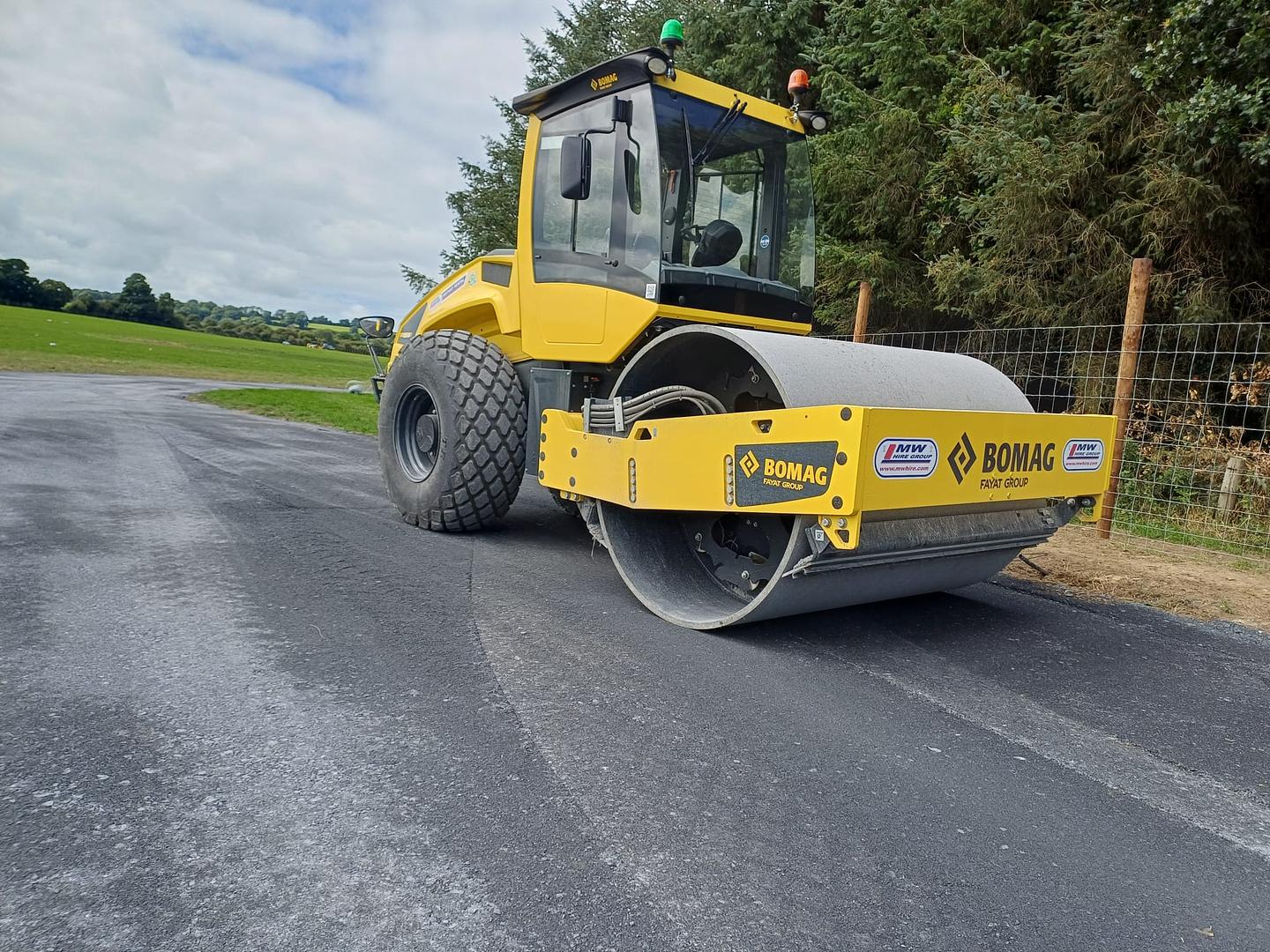
BOMAG Rollers: Benefits, Applications, and What to Look for When Choosing the Right Compaction Equipment
Compaction is one of the most decisive steps in road construction, site development, and asphalt paving. Achieving target density affects everything from pavement longevity and ride quality to future maintenance costs. That is why many contractors and municipalities rely on BOMAG rollers—a well-established category of compaction equipment known for productivity, operator comfort, and technology designed to support consistent results.
This guide breaks down the practical benefits of BOMAG rollers, the main roller types available, and how to evaluate the right machine for your projects—whether you are buying, renting, or building out a fleet.
Why Compaction Quality Matters
Under-compaction can lead to settlement, rutting, cracking, and premature failure. Over-compaction can damage aggregates, distort asphalt mats, and waste fuel and time. A dependable vibratory roller or asphalt roller is not simply a piece of iron on a jobsite—it is a quality-control tool that helps crews hit density targets efficiently and repeatedly.
BOMAG’s roller lineup is designed around that reality, combining robust drum designs, vibration systems, and operator-focused controls to reduce variability between passes, operators, and site conditions.
Key Benefits of BOMAG Rollers
1) Reliable Compaction Performance Across Materials
BOMAG rollers are widely used for both soil compaction and asphalt compaction. Depending on the model and configuration, contractors can compact granular soils, cohesive materials, subbase layers, and asphalt lifts with consistent amplitude and frequency control. For mixed jobsite conditions, having predictable compaction performance helps crews maintain production rates while meeting specifications.
2) Productivity Features That Reduce Guesswork
Many modern BOMAG machines incorporate compaction assistance features intended to help operators understand material response and avoid unnecessary passes. Options may include compaction measurement or display systems that indicate stiffness trends or compaction progress (availability varies by model). The practical value is straightforward: fewer wasted passes, less rework, and improved jobsite consistency—especially helpful when crews rotate between machines.
3) Operator Comfort and Easy Controls
Operator performance is a major factor in compaction quality. Comfortable, intuitive machines help reduce fatigue, which can improve consistency late in the day. BOMAG rollers are commonly specified with ergonomic cabs or operator platforms, clear visibility to drum edges, and control layouts that are designed to be learned quickly.
For asphalt work in particular, good sightlines and straightforward water spray controls can support cleaner mats, fewer stops, and more uniform rolling patterns.
4) Versatile Lineup for Different Job Types
BOMAG offers multiple roller categories suited to different applications—from tandem asphalt rollers to single drum soil compactors and pneumatic tire rollers. This breadth helps contractors standardize on one brand while still matching equipment to the specific lift thickness, material type, and jobsite footprint.
5) Durability and Fleet-Friendly Serviceability
Compaction equipment often runs in dusty environments, high heat, and long shifts. Rollers that are designed for durability and daily service access can reduce downtime and simplify preventive maintenance. In fleet operations, easier routine checks and predictable wear items can improve equipment availability and overall cost control.
Common Types of BOMAG Rollers (and When to Use Them)
Tandem Vibratory Rollers (Asphalt Rollers)
Tandem rollers (double drum) are a go-to choice for asphalt compaction on roads, parking lots, and paths. They are typically used for breakdown, intermediate, and finish rolling depending on drum configuration and job requirements. Key advantages include uniform drum contact, stable tracking, and the ability to produce smooth finishes.
Single Drum Rollers (Soil Compactors)
Single drum vibratory rollers are commonly used for subgrade, embankments, and base layers. Many models can be equipped with different drum shells or padfoot configurations to match soil conditions. These machines are valued for high compaction energy and the ability to work efficiently on larger sites such as highways, industrial pads, and subdivisions.
Pneumatic Tire Rollers
Pneumatic rollers use multiple rubber tires to knead and seal asphalt layers, supporting density and surface finish. They are often used in asphalt paving trains to help reduce permeability and improve mat performance when specified by the mix design and local standards.
Technology and Features That Can Deliver ROI
Exact features depend on the model and options package, but contractors commonly look for the following capabilities in modern BOMAG compaction equipment:
- Vibration control options to match compaction energy to lift thickness and material response.
- Compaction guidance or measurement systems to support consistent results and reduce unnecessary passes.
- Edge visibility and maneuverability for tight urban paving, curbs, and confined sites.
- Efficient water spray systems and drum cleaning solutions to minimize pickup during asphalt rolling.
- Cab comfort and visibility that support longer shifts and more consistent operation.
When these features are aligned with your workflow, the benefits can show up quickly in cycle times, fuel use, and fewer density-related callbacks.
Practical Applications Where BOMAG Rollers Excel
BOMAG rollers are commonly deployed across a wide range of compaction needs, including:
- Road construction and rehabilitation (base, binder, and surface courses)
- Parking lots and commercial paving
- Utility trench backfill and site development
- Industrial pads, logistics yards, and ports
- Pathways, shoulders, and municipal maintenance
For contractors working across both earthwork and paving scopes, the ability to cover multiple applications with a consistent operator experience can be a major advantage.
Total Cost of Ownership: Looking Beyond Purchase Price
The true value of a roller is measured in cost per compacted ton (or cost per lane-mile), not just the initial price. When evaluating BOMAG rollers for purchase or rental, consider:
Fuel efficiency: Efficient operation and optimized pass counts can make a noticeable difference over a season.
Uptime: Easy daily inspections, accessible service points, and robust components reduce avoidable downtime.
Resale value: Well-maintained, recognized brands often perform better in the used market.
Operator adoption: Machines that are comfortable and intuitive can reduce training time and mistakes.
Maintenance Tips to Keep Your Roller Performing
Consistent compaction results depend on a machine that is running correctly. A few best practices help protect performance and reduce long-term costs:
- Follow daily inspection routines (fluids, water spray, drums, scrapers, and visible leaks).
- Keep the spray system clean to prevent uneven coverage and asphalt pickup.
- Monitor vibration performance and address unusual noises or changes in feel early.
- Maintain clean radiator and cooling paths, especially in dusty soil compaction environments.
- Train operators on rolling patterns and safe operation, not just basic controls.
Buying vs. Renting a BOMAG Roller
If your compaction needs are steady and predictable, ownership may offer better long-term economics—especially if the roller will be utilized across multiple crews or project types. Renting can be a smart choice when you need a specialized machine for a short window, want to test a size class before buying, or need to cover peak season demand without expanding your fleet permanently.
Either way, match the machine to your typical lift thickness, jobsite constraints, and production targets. A roller that is too large can be cumbersome and costly to run; too small can slow the crew and compromise density consistency.
Final Takeaway: The Right Roller Protects Your Pavement—and Your Reputation
BOMAG rollers are popular because they bring together compaction performance, operator-focused design, and features intended to support consistent results. For contractors, that translates into fewer density issues, smoother production, and better long-term pavement outcomes.
If you are comparing models, start with your most common applications (asphalt vs. soil), typical job sizes, and local density specifications. Then look for the features that reduce passes, simplify operation, and keep the machine working reliably through long shifts. In compaction, consistency is profitability—and the right roller is one of the most direct ways to achieve both.