






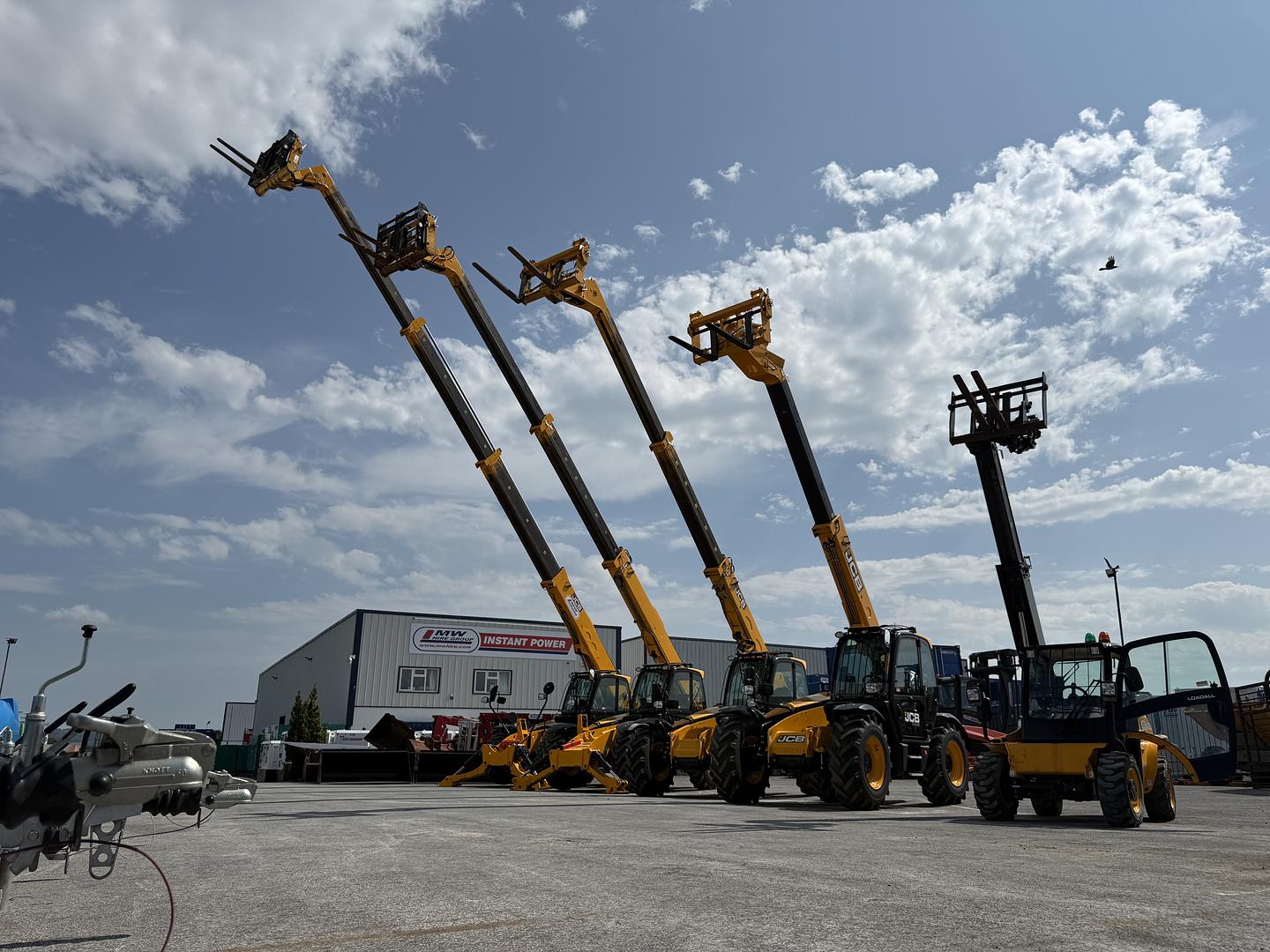
JCB Telehandlers: Benefits, Applications, and Whether to Hire or Buy
When material handling needs to be fast, safe, and adaptable, few machines match the versatility of a JCB telehandler. Also known as a telescopic handler, a telehandler combines the lifting capability of a forklift with the reach of a crane and the mobility of a site-ready loader. JCB’s well-known Loadall range is widely used across construction, agriculture, logistics, and industrial operations because it delivers reliable performance in demanding conditions.
This guide explains the key benefits of JCB telehandlers, common use cases, and how to decide between telehandler hire and purchasing a telehandler for sale—including what to look for when selecting the right model for your business.
What Is a JCB Telehandler?
A telehandler is a multi-purpose lifting machine fitted with a telescopic boom. Depending on the model, it can lift palletised materials, place loads at height, and handle bulk materials using attachments such as buckets, forks, lifting jibs, or grabs. JCB telehandlers are designed for stability, visibility, and productivity, making them a staple on busy sites where space, time, and safety all matter.
Key Benefits of JCB Telehandlers
1) Versatility Through Attachments
One of the biggest advantages of a JCB Loadall telehandler is its ability to perform multiple roles with the right attachment. Instead of bringing several machines to site, a single telehandler can support a wide range of tasks.
- Forks for pallets, blocks, and bagged materials
- Buckets for aggregates and bulk loading
- Jibs and hooks for suspended loads
- Grabs for waste, bales, or awkward materials
- Work platforms (where permitted) for access tasks
2) Reach and Lift Capacity for Efficient Handling
Telehandlers are built for placing loads where standard forklifts cannot reach—over obstacles, onto upper floors, or into tight storage areas. By reducing double-handling and improving placement accuracy, they can significantly increase productivity on construction sites and in yard operations.
3) Strong Site Mobility and All-Terrain Capability
Many projects involve uneven ground, soft surfaces, or changing site access. JCB telehandlers are commonly specified for their traction and site mobility, helping teams keep work moving even when conditions are less than ideal.
4) Operator Visibility and Safety Features
Safe lifting depends on stability, awareness, and control. Modern telehandlers typically incorporate load management systems, clear visibility from the cab, intuitive controls, and robust chassis design. These features support safer handling—particularly when lifting at height or working in congested areas.
5) Reduced Downtime and Easy Service Access
For many businesses, uptime is a priority. JCB telehandlers are widely supported through dealer networks and independent service providers, which can simplify access to parts, attachments, and maintenance expertise. This is particularly valuable for fleet managers balancing availability across multiple sites.
Common Applications for JCB Telehandlers
A JCB telehandler is often chosen because it can adapt to the specific workflow of different industries. Typical applications include:
Construction and Civil Engineering
Moving bricks, blocks, timber, plasterboard, roofing materials, and site supplies. Telehandlers can place loads to upper levels and reduce manual handling time.
Agriculture and Farming
Handling bales, feed, fertiliser bags, and general yard loading. Telehandlers are useful in confined farmyards where both reach and manoeuvrability are required.
Industrial and Logistics Yards
Loading/unloading deliveries, stacking materials, and managing bulk goods. With the right forks and tyres, telehandlers can act as a flexible yard machine.
Waste and Recycling
Moving bulky loads, feeding conveyors, and sorting operations. Heavy-duty attachments and guarding options can support these environments.
Telehandler Hire vs Buying: Which Option Makes Sense?
Whether you choose JCB telehandler hire or purchase a JCB telehandler for sale depends on utilisation, project duration, cash flow, and maintenance preferences. Both options can be cost-effective when matched to the right operating model.
When Telehandler Hire Is the Better Choice
Telehandler hire is ideal for businesses that need flexibility, short-term coverage, or rapid mobilisation. Hiring can also help when you need a specific lift height or capacity for a particular project.
- Short-term projects or fluctuating workloads
- Seasonal demand in agriculture or peak construction periods
- Try-before-you-buy to validate the right size and specification
- Reduced maintenance responsibility (depending on hire terms)
- Fast replacement options if a machine goes down
Hiring is also a practical option when a contract requires a newer machine, specific compliance documentation, or particular attachments.
When Buying a JCB Telehandler Is the Better Choice
If your telehandler is a daily workhorse, purchasing can deliver better long-term value and more control over specification and availability. Owning also allows you to build a consistent fleet setup across sites and operators.
- High utilisation across year-round operations
- Lower lifetime cost when spread across many operating hours
- Full control over attachments and configuration
- Asset value retained through resale
- Consistent operator familiarity and reduced changeover time
Many businesses also choose a blended approach: purchase a core fleet for predictable demand and use hire to cover peaks, specialist requirements, or breakdown contingency.
What to Consider When Choosing a JCB Telehandler
Not all telehandlers are the same. Before arranging hire or selecting a machine for sale, consider the operating environment and the specific handling tasks your team performs.
Lift Height, Reach, and Capacity
Start with the maximum lift height and the heaviest loads you expect to handle. Remember that capacity changes depending on boom extension and load position. Choosing the right specification helps maintain safe working limits and reduces productivity bottlenecks.
Site Conditions and Tyres
Ground conditions influence stability and traction. Consider whether you need rough-terrain capability, specific tyre types, or stabilisers for high-reach work.
Attachments and Compatibility
Confirm which attachments you need now and what you may require later. Attachment availability can be as important as the machine itself, particularly when switching between pallet handling and bulk loading on the same shift.
Cab Comfort and Controls
Operator comfort impacts performance. Visibility, seat ergonomics, control layout, and cab noise all matter when the machine is used for long hours.
Service History (For Used Telehandlers)
If you are purchasing used, request maintenance records, hours, and inspection details. A well-maintained telehandler can offer excellent value, but condition and servicing are critical.
Safety and Compliance: Best Practices for Telehandler Operations
Telehandlers are highly capable, but they must be operated correctly. Ensure operators are trained for the class of machine and the attachments in use. Daily checks, correct load charts, suitable ground assessment, and clear site traffic management reduce risk and help protect both people and property.
Whether you hire or buy, it is also wise to confirm inspection requirements, documentation, and any site-specific rules regarding lifting operations, working at height, and attachment use.
Making the Right Decision for Your Business
A JCB telehandler is a practical investment in productivity, capable of replacing or supporting multiple machines across construction sites, farms, and industrial yards. If your needs vary by project, telehandler hire offers flexibility and quick access to the right specification. If your workload is consistent and machine hours are high, purchasing a JCB telehandler for sale can reduce long-term costs and strengthen operational control.
To choose with confidence, define your required lift height and capacity, assess site conditions, plan for the attachments you need, and weigh ownership costs against utilisation. With the right match, a JCB telehandler can become one of the most valuable and dependable assets in your fleet.