






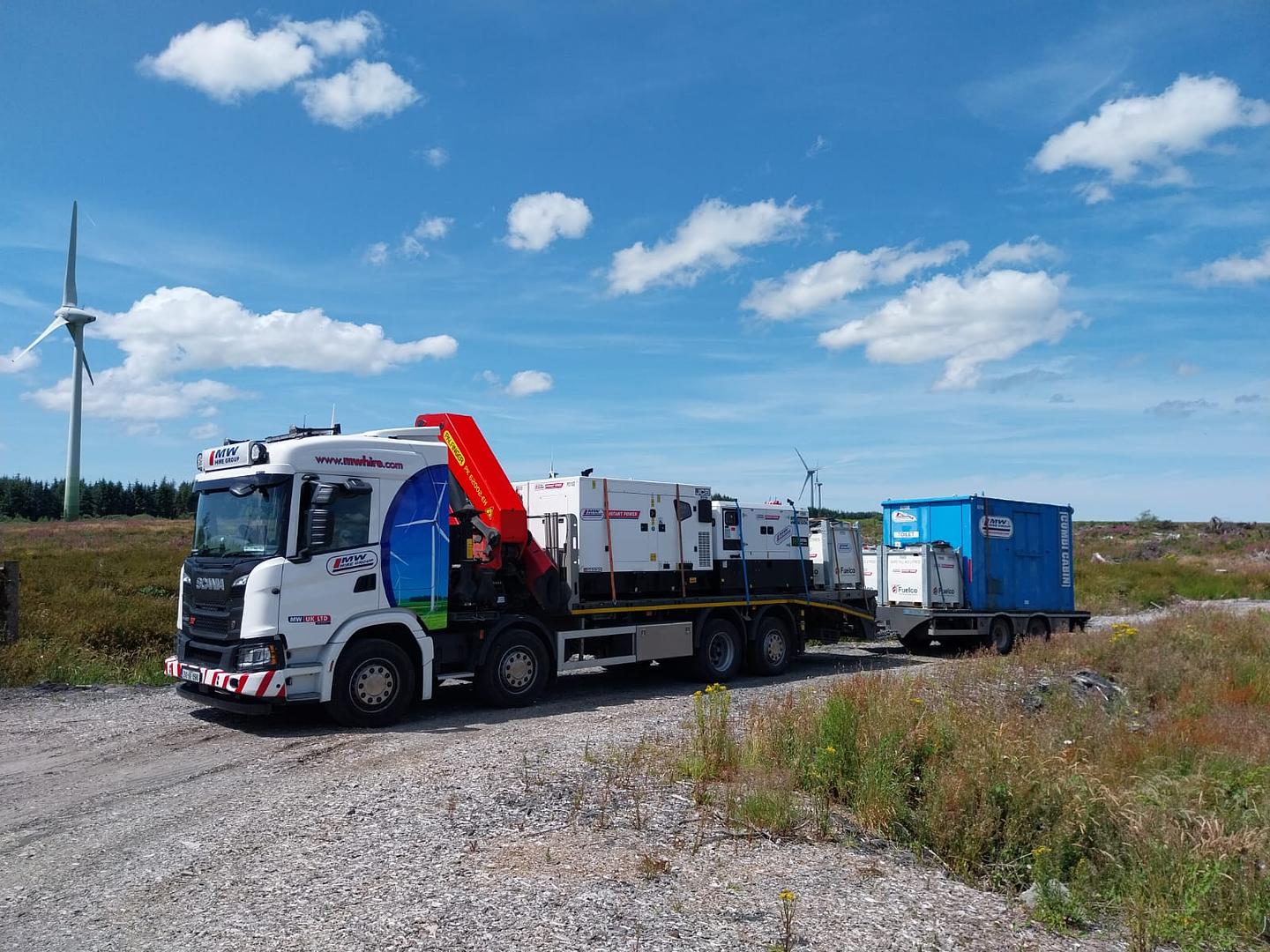
Essential Equipment for Wind Farms: Accommodation, Generators, Welfare Units, and More
Wind energy projects are often associated with turbines, blades, and substations—but the success of a wind farm depends just as much on the supporting equipment that keeps people safe, productive, and compliant on site. Whether you are developing an onshore wind farm, repowering an existing site, or managing long-term operations and maintenance (O&M), temporary and semi-permanent site infrastructure is critical.
This guide outlines the key equipment wind farms typically need—such as accommodation and generators—along with the practical considerations that help project teams reduce downtime, control costs, and meet health, safety, and environmental standards.
Why Supporting Equipment Matters in Wind Farm Projects
Wind farm locations are frequently remote, exposed, and far from established utilities. Construction schedules are tight, weather windows are limited, and specialist crews may need to stay close to the site for extended periods. In addition, sites must meet strict requirements for welfare, noise, emissions, waste management, and security.
As a result, “support” equipment is not optional. It enables:
- Reliable power for tools, cabins, lighting, communications, and commissioning activities
- Safe, compliant welfare for staff and subcontractors
- Efficient logistics for deliveries, storage, and movement across the site
- Reduced downtime through dependable site services and contingency planning
Accommodation for Wind Farm Sites
Accommodation is a major consideration during wind farm construction and major maintenance phases. When teams include turbine technicians, civil crews, electrical specialists, crane operators, and HSE personnel, the need for nearby, comfortable lodging can quickly become a bottleneck if not planned early.
Common accommodation options
Depending on site location and project duration, developers and contractors often use:
- Modular accommodation blocks (portable cabins or stacked units) for bedrooms, offices, and communal areas
- Temporary workforce camps with integrated catering, laundry, and recreation facilities
- Hybrid setups that combine local lodging with on-site accommodation for critical teams
When assessing accommodation, consider travel times, local housing availability, shift patterns, and the weather-related risk of crews being unable to commute. Keeping key personnel on or near the site can improve safety and reduce lost hours.
Generators and Temporary Power Solutions
Temporary power is one of the most essential elements of wind farm construction equipment planning. Even when a grid connection is planned, early-stage works often require power long before the permanent electrical infrastructure is commissioned.
What generators power on a wind farm site
Typical loads include site offices, accommodation, welfare units, lighting towers, workshops, battery charging, security systems, and commissioning tools. Power requirements can change rapidly as the project moves from civils to erection to electrical works.
Generator types and best practices
- Diesel generators remain common for reliable, high-output power in remote areas
- Hybrid generator systems (generator plus battery storage) can reduce fuel use and noise
- Load management and monitoring helps right-size equipment and avoid inefficient “idling”
For cost control and sustainability, many projects now prioritize fuel efficiency, spill prevention, bunded fuel tanks, and telemetry for remote monitoring. Planning for redundancy—such as backup units or rapid-response servicing—can also prevent delays during critical lifts or commissioning activities.
Welfare Units and Site Facilities
Welfare requirements are central to any construction site, and wind farms often face additional constraints due to remote terrain and harsh conditions. Site welfare units must be accessible, robust, and scaled to the workforce size.
Typical welfare equipment
- Toilets and wash stations, including hot water where required
- Canteens and rest areas to support long shifts and cold-weather work
- Drying rooms for PPE and wet-weather gear
- First-aid rooms and dedicated HSE spaces where appropriate
Well-designed welfare provision supports safety, morale, and productivity. It also reduces non-compliance risks that can lead to work stoppages, reputational damage, or contractual disputes.
Site Offices, Communications, and IT
Even if a wind farm site is temporary, project controls and reporting are not. Site offices function as the operational hub for coordination, permitting, HSE briefings, and stakeholder management.
Common needs include:
- Portable office cabins with meeting rooms and secure document storage
- Reliable connectivity via satellite, 4G/5G routers, or dedicated links
- Power protection such as UPS units to avoid data loss and equipment damage
Connectivity is especially important for turbine commissioning data, remote diagnostics, supply chain tracking, and environmental monitoring.
Lighting, Security, and Access Control
Wind farm construction often starts early and runs late to take advantage of suitable weather windows. Lighting and security are therefore essential for safe operations and asset protection.
Key equipment in this category
- Lighting towers for work areas, laydown yards, and access roads
- CCTV and site alarms to deter theft and monitor critical zones
- Fencing and gates to manage access and safeguard the public
- Signage and traffic management to control vehicle movements
Security planning should reflect the high value of tools, copper cabling, and specialist components. Strong access control also supports safety compliance and emergency preparedness.
Storage, Workshops, and Laydown Areas
Wind farm logistics involve large, high-value parts and time-sensitive deliveries. Without adequate storage and laydown planning, projects can suffer damage, delays, and inefficient handling.
Common solutions include:
- Secure containers for tools, spare parts, and consumables
- Temporary workshops for minor repairs, pre-assembly, and inspections
- Weather-protected storage for sensitive electrical equipment and documentation
Well-organized storage reduces losses and helps maintain quality control—especially important for electrical components and specialist torque tooling.
Water, Waste, and Environmental Controls
Environmental compliance is a defining feature of renewable energy projects. Wind farm sites must manage wastewater, general waste, hazardous materials, and spill risks—often under tight planning conditions.
Equipment frequently includes:
- Water tanks and pumps for welfare units and cleaning
- Waste segregation stations and scheduled collections
- Spill kits, drip trays, and bunding for fuels and oils
- Dust suppression measures for access roads and laydown areas
Building environmental controls into the site setup helps prevent incidents that can halt work and trigger regulatory scrutiny.
How to Plan Wind Farm Equipment Hire and Site Setup
Because wind farm construction phases overlap, equipment planning should be aligned with the project programme and risk register. The most effective teams treat temporary infrastructure as a system—not a collection of last-minute rentals.
To keep delivery smooth, focus on:
- Early site surveys to confirm access, ground conditions, and power needs
- Scalable equipment packages that can expand or contract with workforce levels
- Maintenance and servicing plans for generators, welfare units, and critical systems
- Contingency planning for weather delays and emergency response
Conclusion: Wind Farms Run on More Than Turbines
Successful wind farm delivery depends on the right supporting equipment—accommodation, generators, welfare facilities, offices, security systems, storage, and environmental controls. These essentials keep teams safe and productive, protect assets, and help ensure the project meets compliance standards from day one.
If you are planning a wind farm build or major maintenance campaign, start with a detailed site infrastructure plan and secure equipment early. In remote locations, the right setup is not just convenient—it is a competitive advantage that helps protect schedules, budgets, and performance targets.