






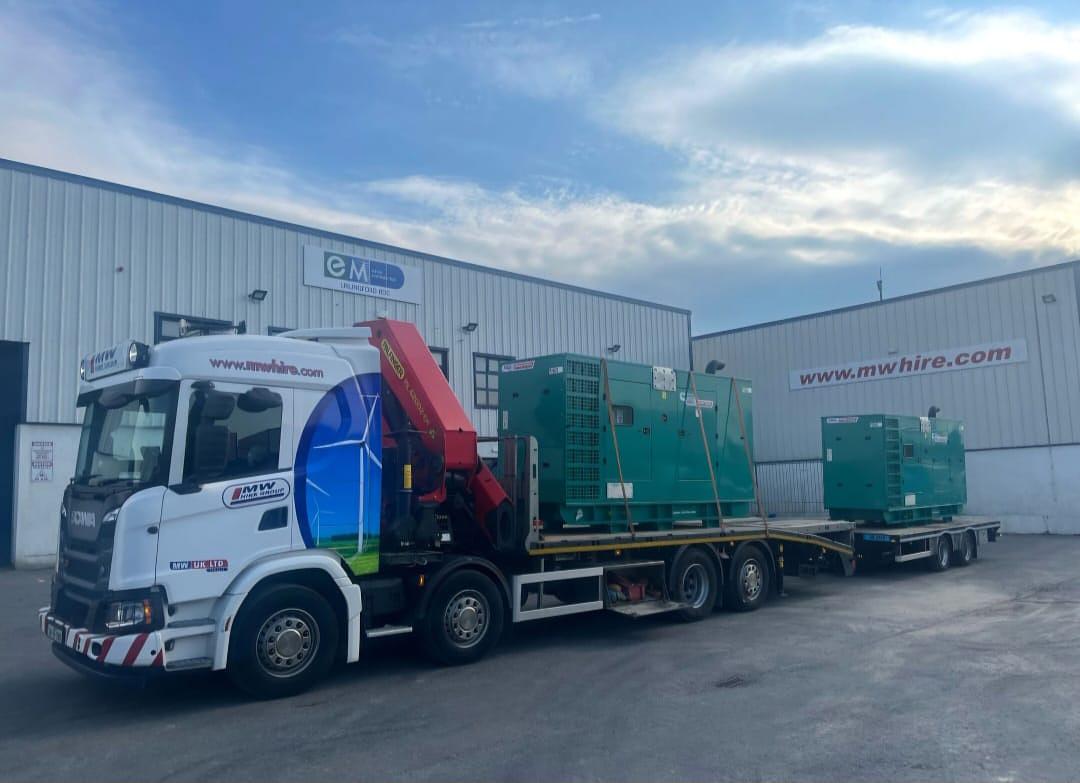
Cummins Generators: Benefits, Maintenance Essentials, and Why Using the Correct Fuel Matters
Reliable backup power is no longer a “nice to have” for many organizations and homeowners. Outages can disrupt operations, compromise safety systems, spoil temperature-sensitive inventory, and create costly downtime. Cummins generators are widely used across commercial facilities, industrial sites, healthcare, data centers, and residential properties because they are engineered for dependable performance and long service life.
This guide covers the key benefits of Cummins generators, why preventive generator maintenance is essential, and how choosing the correct fuel (and maintaining fuel quality) directly impacts performance, efficiency, and warranty protection.
Why Choose Cummins Generators?
Cummins has built a strong reputation in power generation by focusing on integrated design—engines, alternators, controls, and enclosures engineered to work together. While the right generator always depends on your application, load profile, and local requirements, there are several consistent advantages that make Cummins generators a popular choice.
1) Dependable Backup Power for Critical Loads
When utility power fails, a standby generator must start quickly and stabilize voltage and frequency to protect sensitive equipment. Cummins standby generators are commonly selected for critical environments where consistent performance matters, including emergency systems, refrigeration, IT infrastructure, and essential home circuits.
2) Scalable Options for Residential, Commercial, and Industrial Use
From compact home standby units to larger three-phase commercial solutions, Cummins offers a range of generator sizes and configurations. This flexibility makes it easier to match a generator to your actual needs—avoiding under-sizing (risking overload) or over-sizing (increasing upfront cost and potentially reducing efficiency).
3) Strong Service Network and Parts Availability
Backup power equipment is a long-term asset. Access to qualified technicians, common replacement parts, and manufacturer support can simplify ownership. For many buyers, Cummins’ service ecosystem is a meaningful advantage when planning multi-year maintenance budgets and minimizing downtime.
4) Advanced Controls and Monitoring
Modern generator control systems can support diagnostics, run-time tracking, alarms, and scheduled exercise cycles. This helps owners and facility managers spot issues early—before they become failures during an outage.
The Real Value of Preventive Generator Maintenance
Even the best generator can fail if it is neglected. Generator maintenance is not just about extending equipment life; it is about ensuring the unit performs correctly on the day it is needed most. Many generator problems are discovered only when the system is tested under load—making routine inspections and scheduled servicing essential.
Common Risks of Skipping Maintenance
When maintenance is delayed or performed inconsistently, several problems become more likely:
- Starting failures due to weak batteries, corroded connections, or starter issues.
- Fuel-related issues such as contamination, water in fuel, clogged filters, or stale fuel.
- Overheating caused by low coolant, leaks, blocked airflow, or worn belts/hoses.
- Electrical problems including loose connections, damaged wiring, or transfer switch faults.
- Wet stacking in diesel generators that run lightly loaded for extended periods, contributing to carbon buildup.
What a Solid Cummins Generator Maintenance Plan Typically Includes
Your exact schedule should follow the Cummins manual and local code requirements, but most preventive maintenance programs include:
Routine visual inspections: Check for leaks, corrosion, unusual noises, vibration, warning indicators, and enclosure damage.
Battery checks and testing: Many generator “no-start” events trace back to battery or charging problems. Keep terminals clean and ensure the charger is functioning properly.
Oil and filter service: Engine oil quality directly affects wear and reliability. Oil and filter changes should follow hour-based intervals and the manufacturer’s recommendations.
Air and fuel filters: Clean air supports efficient combustion. Clean fuel prevents injector and pump damage. Filters are inexpensive compared to the cost of fuel-system repairs.
Cooling system service: Verify coolant levels and condition, inspect hoses and clamps, and follow recommended coolant replacement intervals.
Exercise runs and load testing: Regular exercise helps confirm the generator starts and operates correctly. Periodic load testing ensures the unit can carry the intended load and can uncover issues that no-load runs may not reveal.
Transfer switch inspection: The automatic transfer switch is the gatekeeper between utility and generator power. Its condition and settings are just as important as the generator itself.
Fuel Matters: Using the Correct Fuel and Protecting Fuel Quality
Using the correct fuel is one of the most important—and most misunderstood—parts of generator ownership. The wrong fuel can lead to starting problems, poor performance, engine damage, emissions issues, and potential warranty complications. Always confirm the required fuel type for your specific Cummins generator model and configuration.
Diesel Generators: Power-Dense and Common in Commercial Applications
Cummins diesel generators are often chosen for their efficiency and durability, especially for higher loads and longer run times. However, diesel fuel requires attention to quality and storage conditions.
Key diesel fuel considerations:
- Use the specified diesel grade recommended by the manufacturer and suitable for your climate.
- Prevent contamination (water, dirt, microbial growth) by keeping tanks sealed, maintaining caps/vents, and using proper filtration.
- Manage fuel aging if fuel is stored for long periods. Stored diesel can degrade over time, which may lead to clogged filters and performance issues.
- Cold-weather readiness may require seasonally appropriate fuel and best-practice storage to reduce gelling risk.
Natural Gas and Propane (LP): Clean Storage and Convenience for Standby Use
Many residential standby generators and some commercial systems run on natural gas or propane. These fuels are typically easier to store (or are utility-supplied), which can reduce some fuel-quality challenges associated with long-term diesel storage.
Key gaseous fuel considerations:
- Correct pressure and sizing of gas lines and regulators is essential for reliable starting and full load performance.
- Fuel supply continuity should be planned—natural gas is utility-dependent, while propane requires tank monitoring and refill planning.
- Professional commissioning helps ensure the generator is tuned and set up for safe, efficient operation.
What Happens if You Use the Wrong Fuel?
Misfueling can lead to immediate operational issues (hard starts, rough running, shutdowns) and long-term damage (injector problems, fuel pump wear, improper combustion, and excessive deposits). If misfueling is suspected, the safest approach is to stop operation and contact a qualified technician before further running the generator.
Best Practices to Keep Your Cummins Generator Ready Year-Round
Generator reliability is a product of three things: correct sizing, consistent maintenance, and proper fuel management. To reduce surprises during outages:
- Exercise the generator on a schedule and confirm alarms are addressed promptly.
- Keep service records for maintenance, inspections, and any repairs.
- Maintain clear airflow around the enclosure and keep vents unobstructed.
- Plan fuel strategy (especially for diesel storage or propane refills) based on expected runtime and outage risk.
- Use qualified professionals for electrical work, transfer switch service, and fuel system adjustments.
Conclusion: Protect Your Investment and Your Uptime
Cummins generators are a strong choice for standby and prime power when reliability matters. To get the best performance from your system, focus on preventive generator maintenance, follow the manufacturer’s service intervals, and ensure you always use the correct fuel and maintain fuel quality. These steps reduce downtime, extend equipment life, and increase confidence that your generator will perform when the utility grid does not.
If you are evaluating a new Cummins standby generator or want to improve the reliability of an existing unit, consider scheduling a professional inspection and reviewing your fuel and maintenance plan to ensure it aligns with your operating environment and risk profile.