






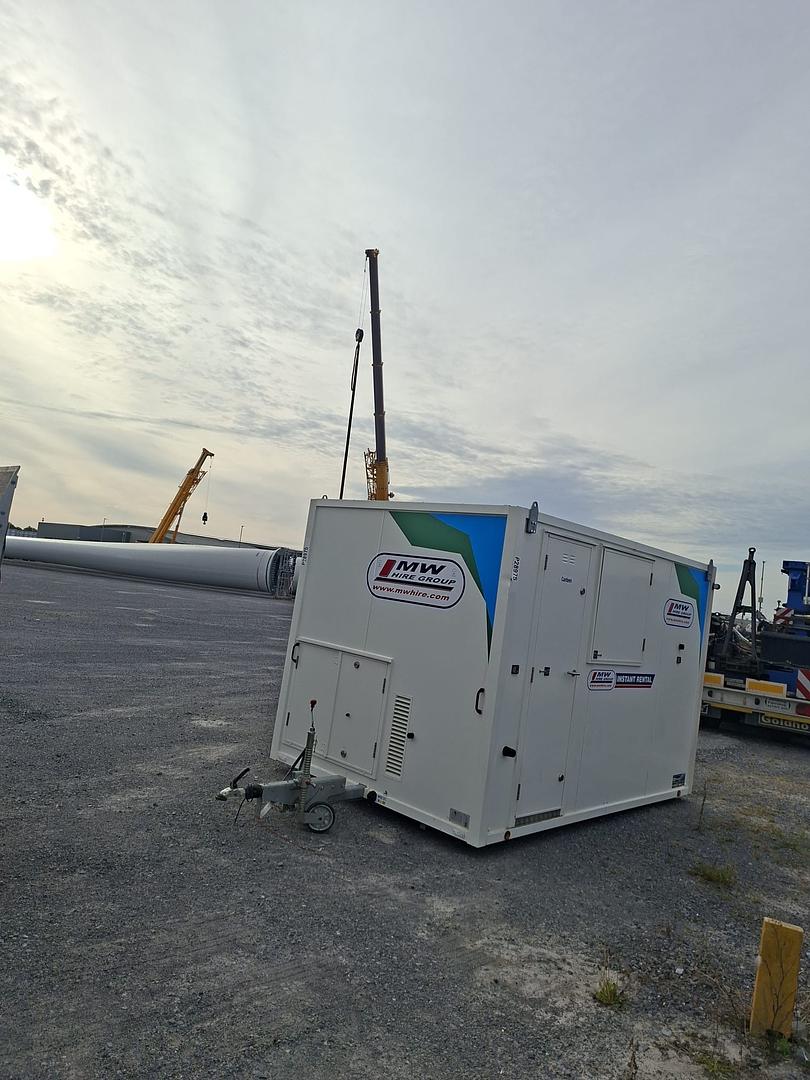
Welfare Units: What They Are, Why They Matter, and the Business Benefits of Getting Site Welfare Right
Welfare units are purpose-built facilities that provide essential amenities for people working on temporary, remote, or high-activity sites. Most commonly associated with construction and civil engineering, mobile welfare units and portable welfare cabins are also used in utilities, rail, landscaping, events, and industrial maintenance—anywhere teams need safe, hygienic, and practical support facilities.
While welfare provision is often discussed in the context of compliance, the real value goes further. High-quality site welfare improves productivity, reduces downtime, supports wellbeing, strengthens your reputation, and helps you run a more professional operation. Below is a clear overview of what welfare units typically include, the benefits they deliver, and how to choose the right setup for your site.
What Is a Welfare Unit?
A welfare unit is a self-contained or semi-permanent structure designed to provide core facilities such as toilets, handwashing, rest areas, and basic kitchen amenities. Depending on your needs and the nature of the site, welfare units may be:
- Towed or road-tow mobile welfare units for easy repositioning
- Static welfare cabins installed for longer projects
- Welfare vans or compact units for smaller crews and short-duration works
- Mains-connected or self-contained (often with generators, water storage, and waste tanks)
Most modern construction site welfare units can be configured to include a canteen area, drying room, seating, heating, lighting, ventilation, and storage—creating a reliable base for teams working in unpredictable weather and challenging site conditions.
Why Welfare Facilities Are a Priority on Any Site
Employers have a duty to provide suitable welfare facilities. Regulations vary by region, but the principle is consistent: workers must have access to toilets, washing facilities (including hot and cold water where required), drinking water, and a place to rest and eat in clean conditions.
However, compliance should be the baseline—not the goal. The most successful contractors and site managers treat welfare as a practical tool that reduces friction on site. When teams have what they need close to where they work, you cut wasted travel time, prevent avoidable disruptions, and support safer decision-making throughout the day.
Key Benefits of Welfare Units
1) Improved Productivity and Fewer Interruptions
When welfare facilities are too far away or inadequate, productivity suffers. Workers may leave site to find toilets or refreshments, queues form during breaks, and minor issues become schedule disruptions. A well-placed site welfare unit keeps teams on site, on time, and focused—especially on projects with tight programmes.
2) Better Health, Hygiene, and Wellbeing
Access to clean toilets and proper handwashing is essential for preventing illness and maintaining hygiene standards. Welfare units that provide warm running water, soap, drying facilities, and appropriate waste management reduce health risks and support a more comfortable working environment.
Beyond hygiene, a heated, sheltered canteen area gives teams a place to recover during breaks—particularly important in cold, wet, or high-wind conditions. That improves morale and helps reduce fatigue-related mistakes.
3) Stronger Safety Performance
Safety and welfare are closely linked. When workers are cold, dehydrated, or rushed because facilities are inadequate, attention drops and risk increases. Welfare units support safe operations by enabling:
- Proper rest breaks and recovery
- Drying of PPE and workwear, reducing cold stress
- Cleaner site practices (handwashing before eating and after handling materials)
- A controlled space for briefings, inductions, and documentation
Many site teams also use welfare cabins as a central point for daily start meetings, toolbox talks, and sign-in processes—helping reinforce safe behaviours.
4) Easier Compliance and Reduced Risk of Enforcement Issues
Providing the right welfare facilities helps demonstrate that you are meeting your obligations as an employer and principal contractor. For businesses operating in regulated environments (for example, UK sites aligned with HSE expectations), appropriate welfare units can reduce the risk of non-compliance findings, stop notices, and reputational damage.
Even where enforcement risk is low, clients increasingly expect clear evidence of welfare planning as part of pre-qualification, audits, and supplier assessments.
5) Enhanced Professional Image and Client Confidence
Welfare facilities are often one of the first things a client, inspector, or visitor notices. Clean, well-maintained portable welfare units signal a well-managed site. They also support better visitor experiences by providing a dedicated space for briefings and basic amenities.
For organisations bidding on high-value projects, strong welfare standards can differentiate your business as a reliable, responsible partner.
6) Flexibility for Changing Site Conditions
Sites change quickly—workfaces move, access routes change, and project phases evolve. Mobile welfare units offer the flexibility to relocate facilities closer to active areas, reducing travel time and helping teams stay efficient. This is particularly useful for:
- Roadworks and utilities projects
- Large, multi-phase construction sites
- Remote maintenance and infrastructure work
7) Cost Control and a Clear Return on Investment
Welfare can feel like a cost line item until you look at the operational impact. Time lost walking off-site, delays from inadequate facilities, preventable absenteeism, and reduced morale all carry real financial consequences.
Whether you hire or purchase, the right welfare setup often pays for itself through:
- Less downtime and better schedule adherence
- Lower turnover and improved attendance
- Reduced risk exposure and fewer site issues
What to Look for When Choosing a Welfare Unit
Choosing the right welfare unit depends on site size, project duration, crew count, and the availability of utilities. Key considerations include:
Crew capacity: Ensure seating, toilet capacity, and break space match peak headcount—not just averages.
Self-contained vs. mains-connected: Self-contained units are ideal for remote sites. Mains-connected cabins can reduce ongoing servicing needs when utilities are available.
Servicing and maintenance: Plan for regular cleaning, waste removal, water replenishment, and checks of heating, lighting, and ventilation.
Layout and usability: Look for practical features such as separate drying areas, easy-clean surfaces, safe steps and handrails, and secure storage.
Energy efficiency: Modern welfare cabins may include LED lighting, improved insulation, timed heating, and low-consumption systems that reduce fuel or electricity costs.
Best Practices for Maximising the Value of Site Welfare
Even the best unit underperforms if it is poorly located or inconsistently maintained. To get the most from your welfare facilities:
- Position units strategically to reduce walking time while keeping safe access routes.
- Set clear cleaning responsibilities and inspection routines to maintain hygiene standards.
- Stock essentials such as soap, hand towels, drinking water, and basic first aid supplies where appropriate.
- Plan for peak demand (start times, lunch periods, and shift changes).
Conclusion: Welfare Units Are a Practical Investment in People and Performance
Welfare units are more than a compliance requirement—they are a practical foundation for safe, efficient site operations. With the right construction site welfare facilities in place, businesses can improve productivity, reduce risk, support wellbeing, and present a more professional image to clients and stakeholders.
If you are reviewing your site setup, start by assessing headcount, project duration, and access to utilities, then choose a welfare unit configuration that supports your team throughout the job. Strong welfare is one of the simplest ways to improve day-to-day performance—and one of the most visible signs of a well-run site.