






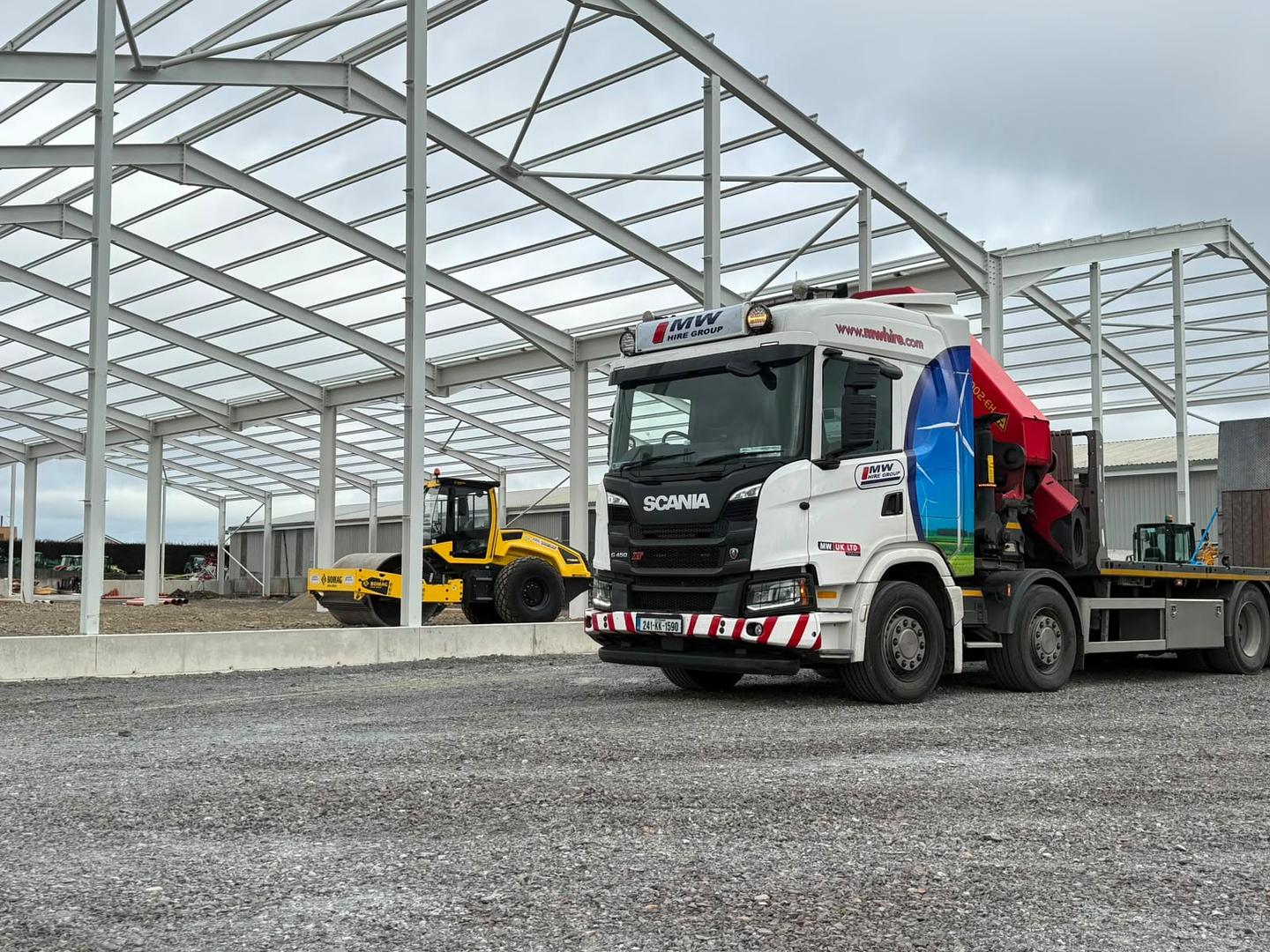
Rollers in Construction: The Best Time of Year to Use Them (and a Closer Look at the Bomag BW 213 D)
Whether you’re building roads, preparing a building pad, or shaping a large site, a reliable roller is one of the most important pieces of compaction equipment on the job. But performance and productivity are not only about machine size and vibration settings—timing matters. Moisture, temperature, and soil conditions change throughout the year, and those seasonal shifts can make compaction either straightforward or frustratingly inefficient.
This guide explains the best time of year to run rollers for common construction and earthwork applications, along with a practical overview of the Bomag BW 213 D, a widely used single drum vibratory roller known for dependable soil compaction in demanding conditions.
Why the Time of Year Matters for Rollers
Compaction success depends on achieving target density with the right balance of moisture, lift thickness, and compactive effort. Seasonal weather directly impacts each of those variables. Too much moisture can cause pumping and rutting; too little can prevent particles from binding; cold temperatures can freeze the ground; extreme heat can alter how materials behave and how quickly they dry.
In practical terms, choosing the right season (and adjusting your approach during shoulder months) helps you:
- Reach specification density faster with fewer passes
- Reduce rework from unstable subgrades and wet lifts
- Protect equipment from unnecessary wear in harsh conditions
- Improve schedule predictability for grading, paving, and civil work
The Best Seasons for Rollers: What to Expect and How to Plan
Spring: Productive, but Watch the Moisture
Spring often marks the ramp-up for road building, subdivisions, and commercial sitework. In many regions, however, spring also brings thaw cycles and saturated soils. These conditions can reduce bearing capacity and make compaction inconsistent—especially on clay or silty subgrades.
Spring compaction tips: prioritize drainage and proof-rolling, manage moisture with drying time or stabilization where needed, and avoid overworking wet lifts that will pump under the drum. This is also a season where the right roller—particularly a strong soil compactor—can help you regain control of a variable subgrade.
Summer: Peak Season for Earthworks and Subbase Compaction
For many contractors, summer is the most efficient time of year to run rollers. Warm temperatures help materials dry to workable moisture levels, and longer daylight hours support extended production windows. Summer is particularly strong for:
- Mass grading and embankment construction
- Subbase preparation for asphalt and concrete
- Large commercial and industrial pads
The main challenge in summer is that some soils can dry out too much, making it difficult to compact without adding water. Dust control and moisture conditioning become critical for consistent density.
Fall: Ideal for Road Work, but Time Is Tight
Fall is often an excellent season for compaction: moderate temperatures, lower humidity, and fewer heavy rain events (depending on your region). It’s also a common push period for road projects and paving schedules before winter.
Fall planning should account for shorter days and the risk of cold snaps. As temperatures drop, achieving consistent compaction can become more difficult, and surface layers may cool quickly. If your schedule is tight, consider lining up service support and ensuring your roller is fully ready before the fall push begins.
Winter: Limited Operation, Focus on Storage and Readiness
In cold climates, winter is generally the least productive time for rollers because frozen ground is difficult to compact and may not meet spec for earthwork layers. That said, winter can still involve:
- Work in milder regions where soil remains workable
- Specialty projects using winter-specific materials and methods
- Equipment preparation for next season
Winter is also the right time to perform major maintenance, address leaks, replace worn drum components, and keep the machine protected from freeze-related damage.
Choosing the Right Roller for the Job: Soil vs. Asphalt Applications
“Roller” is a broad term. For compaction, the most common categories include:
- Single drum vibratory rollers (soil compactors) for subgrade, embankments, and granular materials
- Tandem drum rollers for asphalt compaction and finish work
- Pneumatic tire rollers for kneading action and sealing (often in asphalt trains)
- Padfoot drum configurations (or shells) for cohesive soils like clay
The Bomag BW 213 D sits firmly in the soil compaction category—a workhorse option for contractors who need reliable density on large earthmoving and road-building jobs.
Bomag BW 213 D Overview: A Proven Single Drum Vibratory Roller
The Bomag BW 213 D is a popular single drum roller used for compaction of granular soils, subbase layers, and engineered fill. It is commonly found on road construction, civil infrastructure, and large site development projects where consistent compaction and durable performance matter.
Where the BW 213 D Fits Best
Contractors typically choose this roller for:
- Subgrade and subbase compaction in roadway construction
- Embankment building and lift-by-lift engineered fill
- Large site pads for warehouses, plants, and commercial developments
- Granular material compaction where vibration delivers high productivity
Depending on configuration and job requirements, many operators pair the machine with a smooth drum for granular layers or use padfoot solutions for cohesive soils. Exact options can vary by model year and market, so it’s worth confirming what’s installed before purchasing or renting.
Key Strengths Contractors Look For
While specifications vary by production year and emissions tier, the BW 213 D is generally valued for a few consistent advantages:
- Effective vibratory compaction suited to common earthwork lift thicknesses
- Operator-friendly controls designed for long shifts and consistent pass patterns
- Traction and stability for uneven ground and active cut/fill sites
- Serviceability with maintenance access designed for real jobsite conditions
In short, it’s the kind of roller many fleets rely on for daily production—especially when schedules demand predictable density without excessive passes.
Seasonal Tips for Running a BW 213 D (and Similar Soil Rollers)
To get the most out of a soil compactor throughout the year, focus on a few seasonal best practices:
- Spring: proof-roll early, manage water, and avoid chasing density in wet clay without stabilization or padfoot compaction strategies.
- Summer: monitor moisture closely; over-dry granular materials may need conditioning to meet spec efficiently.
- Fall: plan around temperature swings; keep an eye on layer cooling/drying rates and aim to compact at optimal moisture.
- Winter: protect against freezing, prioritize preventive maintenance, and avoid compacting frozen lifts that can fail later during thaw.
Buying or Renting a Bomag BW 213 D: What to Check
If you’re considering a used roller or planning a rental for peak season, a quick inspection checklist can prevent downtime:
- Drum condition: check for cracks, abnormal wear, and evidence of impact damage.
- Vibration performance: verify smooth engagement and consistent operation without unusual noise.
- Hydraulics: look for leaks, weak travel response, or overheating under load.
- Articulation and steering: inspect pins, bushings, and joint play—critical for control and safety.
- Service records: confirm fluid intervals and prior repairs; compaction equipment lives a hard life.
For contractors planning heavy summer and fall production, lining up a dependable roller early—before rental fleets tighten—can also help control costs and keep schedules intact.
Final Thoughts: Match the Season, the Material, and the Machine
Rollers are essential for building stable roads, pads, and infrastructure—but the calendar matters as much as the compactor. Summer and early fall are typically the most efficient windows for earthwork and subbase compaction, while spring demands moisture management and winter often shifts the focus to equipment readiness.
If your work involves large-scale soil compaction, the Bomag BW 213 D roller remains a strong option to consider for dependable performance across the busiest parts of the construction season. With the right planning, maintenance, and material control, it can be a key contributor to meeting density targets and keeping projects on track.