






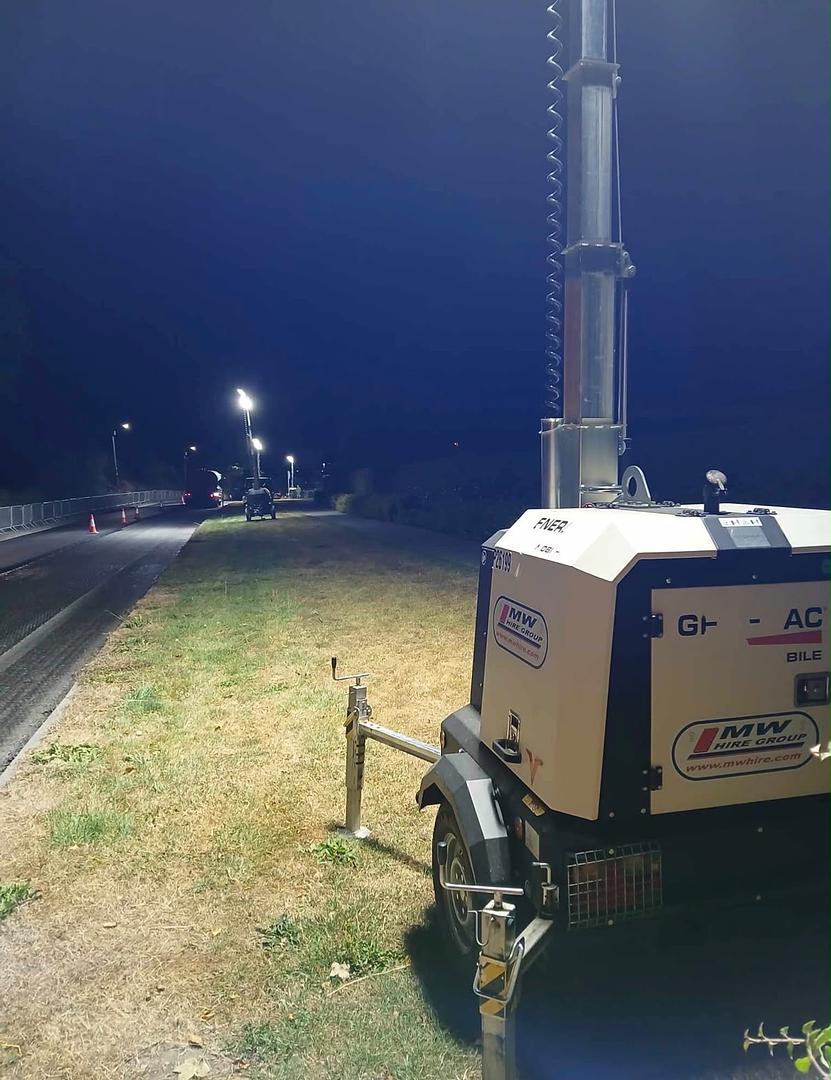
Generac Light Towers: Hybrid and Diesel Options to Keep Your Crew Safe as Night Work Season Returns
As the days get shorter and projects continue on tight timelines, many teams find themselves working earlier, later, or straight through the night. Whether you manage a construction site, road crew, utility response team, or industrial facility, reliable lighting is not just a convenience—it is a key part of jobsite safety, productivity, and compliance. That is why it is “that time of year again” to review your lighting plan and ensure your equipment is ready.
Generac light towers—including both hybrid light towers and diesel light towers—are designed to deliver dependable illumination when and where you need it. With modern LED fixtures, practical towing designs, and proven powertrain options, they help crews work confidently through the night while reducing downtime and improving visibility across the site.
Why Seasonal Night Work Demands Better Jobsite Lighting
Reduced daylight hours and changing weather conditions can make worksites more hazardous. Shadows grow longer, glare becomes more of a factor, and wet or icy surfaces increase slip and trip risks. Properly positioned light towers help address these issues by:
- Improving visibility around equipment, walkways, excavations, and material staging areas
- Supporting safer traffic control for roadway and municipal projects
- Reducing fatigue and eye strain for operators and ground personnel
- Maintaining productivity when schedules require overnight shifts
In practical terms, the right lighting setup can help you prevent incidents, avoid costly delays, and keep inspections and safety meetings focused on proactive controls rather than reactive fixes.
Generac Tower Lights: Built for Real-World Night Operations
Generac has long been recognized for jobsite power solutions, and its towable light towers follow that same approach: durable designs, job-ready controls, and dependable output. Many Generac tower lights feature LED lighting for bright, efficient illumination and reduced maintenance compared to older metal halide systems.
When choosing between hybrid and diesel light towers, the best option depends on runtime needs, site conditions, fuel logistics, sound requirements, and sustainability goals. Both can be excellent choices when matched to the right application.
Hybrid Generac Light Towers: Efficiency, Reduced Fuel Use, and Smart Runtime
A hybrid light tower typically combines an efficient engine-generator system with battery storage and smart power management. The goal is to provide consistent lighting while using less fuel and reducing engine run time—especially during periods of lower demand.
Key advantages of hybrid light towers include:
- Lower fuel consumption: Reduced engine runtime can significantly cut fuel use over long projects.
- Quieter operation: Less engine run time often means lower noise levels—valuable near residential zones or nighttime roadwork.
- Reduced emissions: For organizations with environmental targets or stricter local requirements, hybrid can be a strong fit.
- Extended service intervals: Fewer engine hours can translate into less frequent maintenance and improved overall uptime.
Where hybrid tower lights shine: Overnight construction near homes, event support, municipal work, downtown projects, and any site where noise, fuel logistics, or emissions are key considerations. If you routinely run lights for long shifts over weeks or months, hybrid efficiency can add up quickly.
Diesel Generac Light Towers: Proven Performance for Demanding Jobsites
Diesel light towers remain a staple across construction, industrial, and emergency response. They are straightforward, reliable, and well-suited to harsh environments and extended runtime demands.
Key advantages of diesel light towers include:
- Dependable continuous operation: Diesel units are built for sustained performance in remote or rugged conditions.
- Simple fueling and familiarity: Many fleets already stock diesel, and crews are comfortable with diesel equipment checks and routines.
- Strong jobsite versatility: Diesel light towers are commonly used for roadwork, utilities, industrial maintenance, and general construction.
- Resilience in cold-weather operations: With proper maintenance and winter-ready fuel practices, diesel units can perform reliably in low temperatures.
Where diesel tower lights fit best: Remote projects, long-duration builds, storm response, and any operation where simplicity and proven power are the top priorities.
Hybrid vs. Diesel: How to Choose the Right Generac Light Tower
When selecting between a Generac hybrid light tower and a Generac diesel light tower, consider these practical decision points:
- Runtime pattern: If you run lights nightly for extended periods, hybrid fuel savings can be meaningful. If you need straightforward continuous operation, diesel may be the better fit.
- Noise sensitivity: For residential or nighttime municipal work, hybrid can help reduce sound impacts.
- Fuel logistics: If diesel delivery is easy and standardized across your fleet, diesel remains convenient. If reducing fuel runs is a priority, hybrid can help.
- Environmental goals: Hybrid systems can support sustainability targets with lower emissions and reduced idling.
- Site conditions: Consider terrain, towing distance, wind exposure, and how often the unit will be repositioned.
If you manage multiple site types, it may make sense to have both options available—diesel for heavy-duty and remote deployments, hybrid for noise-sensitive, fuel-conscious, or high-frequency night work.
Night Work Safety: Getting the Most from Your Light Tower Setup
Even the best light tower cannot protect your crew if it is poorly positioned or inconsistently maintained. As night work season ramps up, use these best practices to improve safety and lighting performance:
- Perform a pre-shift lighting walk: Identify shadowed zones, glare issues, and high-traffic areas that need better coverage.
- Aim lights to reduce glare: Avoid blinding operators, drivers, or spotters—especially near roadways and equipment routes.
- Stabilize and secure: Ensure outriggers, leveling, and mast setup are correct for wind and terrain conditions.
- Protect cables and access zones: If auxiliary power or cords are used, route them to minimize trip hazards.
- Schedule routine checks: Verify fuel levels (diesel), charge status (hybrid), fixture operation, tire condition, and safety interlocks.
When lighting is planned as a system—coverage, positioning, traffic flow, and maintenance—crews can work faster with fewer near-misses and fewer stoppages.
Maintenance and Readiness: Prepare Before the First Long Night Shift
Seasonal transitions are a common time for preventable breakdowns. Before your schedule shifts to longer nights, plan a quick readiness review for your Generac tower light fleet:
- Inspect LED fixtures and housings for damage, moisture intrusion, and secure mounting
- Check mast operation (lift, rotation, locking points) and confirm smooth, safe movement
- Verify tires, hitch, and trailer lights for safe towing and site repositioning
- Confirm service intervals and keep filters, fluids, and common spares on hand
- Review cold-weather practices including fuel management and startup procedures where applicable
A short inspection now can prevent lost time later, especially when projects are under pressure and crews are working overnight.
Work Through the Night with Confidence
When it is that time of year again—shorter days, longer shifts, and higher safety risk—lighting becomes one of the most important tools on your jobsite. Generac hybrid and diesel light towers give you flexible options to match the realities of your work: efficient, lower-noise hybrid performance when conditions demand it, and proven diesel reliability for rugged, continuous operation.
If you are planning upcoming night work, consider reviewing your site layouts, confirming coverage needs, and choosing the light tower configuration that supports safe visibility across the entire shift. The result is straightforward: fewer hazards, better productivity, and a crew that can get the job done—safely—long after the sun goes down.