






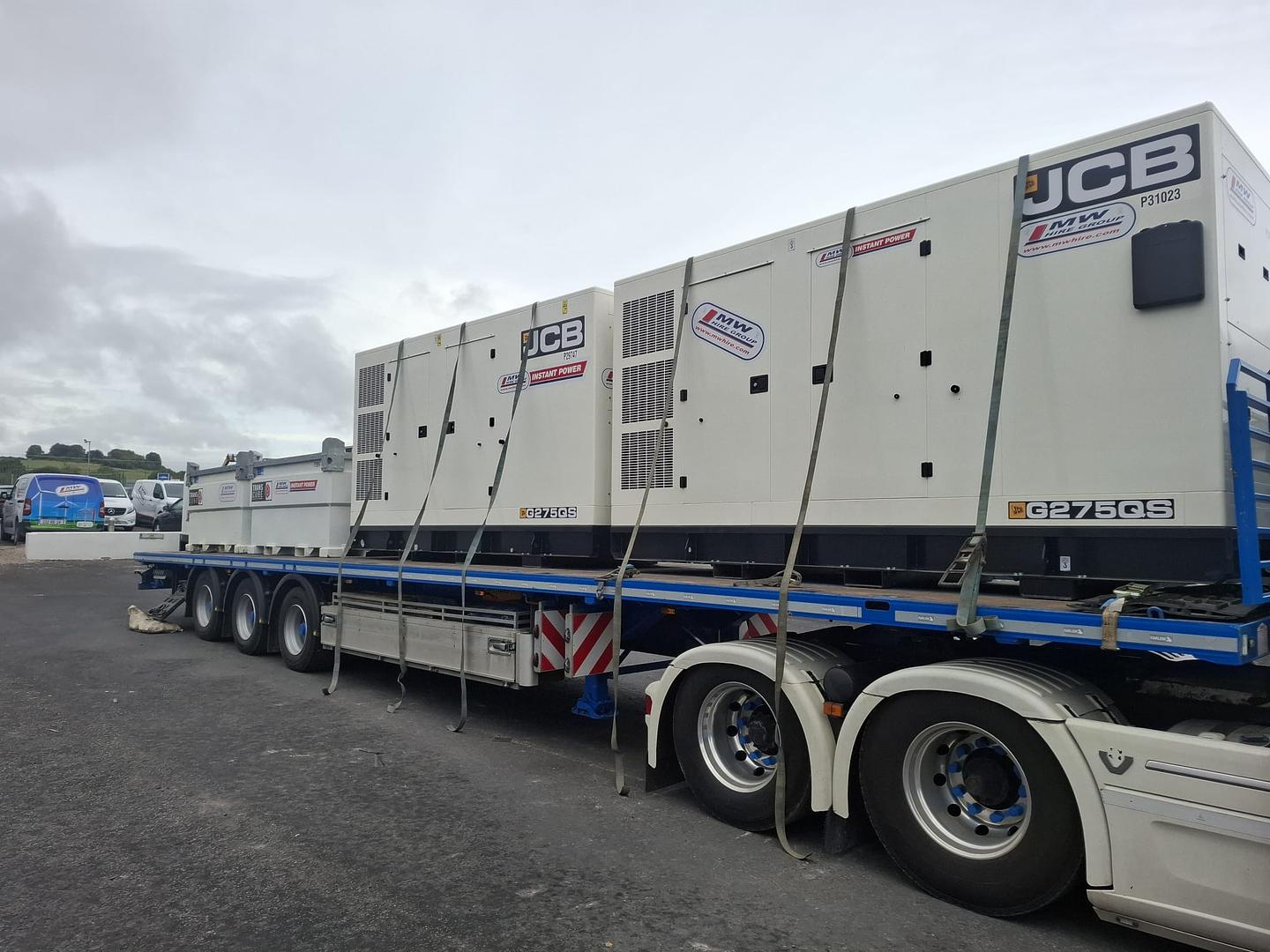
JCB G275Q5 for Event Applications: Reliable, Professional-Grade Power Where It Matters Most
From live concerts and outdoor festivals to corporate roadshows and televised productions, modern events run on electricity. Audio systems, LED walls, broadcast gear, catering equipment, HVAC, site lighting, and temporary infrastructure all depend on stable power. When the grid is unavailable—or when reliability is non-negotiable—an event generator becomes a critical part of the production plan.
The JCB G275Q5 is a popular option for event applications that require dependable output, practical transportability, and a professional approach to onsite power. This post explores where the JCB G275Q5 fits best, how to deploy it effectively, and what event teams should consider to deliver seamless, interruption-free experiences.
Why Event Power Requires a Different Standard
Event power is not the same as construction power or emergency standby power. Live environments are sensitive to voltage variation, unexpected load changes, and noise. Power needs often shift throughout the day—load-in, rehearsals, showtime, and load-out each create different demand profiles.
For event planners, production managers, and rental companies, the generator must support:
- Stable power quality for sensitive AV and lighting control systems
- Fast, predictable response to sudden load changes
- Quiet operation suitable for audience areas and broadcast microphones
- Operational uptime with straightforward service access and monitoring
- Safety and compliance with proper grounding, distribution, and protection
In this context, selecting a proven event generator like the JCB G275Q5 can reduce risk and simplify onsite power management.
Where the JCB G275Q5 Fits in Event Applications
The JCB G275Q5 is typically positioned as a high-capacity, event-ready generator that can support substantial site loads or serve as part of a multi-generator power plan. It is well suited for productions that need a robust primary power source, a dedicated plant for specific zones, or a reliable backup solution for critical systems.
Common event applications include:
- Concerts and festivals: FOH and monitor audio, stage lighting, LED screens, follow spots, and backstage power
- Corporate events and exhibitions: breakout rooms, presentation systems, digital signage, catering, and temporary HVAC
- Broadcast and film support: camera and lighting packages, production villages, and OB support systems
- Outdoor community events: site lighting, vendor power, and safety systems
- Grid backup: redundancy for venues where a power interruption would be costly or dangerous
Because event sites are often temporary and distributed, the JCB G275Q5 is frequently paired with professional power distribution (distros), feeder cables, and zone-based planning to keep loads organized and scalable.
Key Benefits for Live Productions
1) Reliable power for critical moments
In events, there is no acceptable window for troubleshooting during a keynote, headline set, or live broadcast. A generator selected for this environment should be capable of steady performance under variable loads, supporting consistent show quality from doors to encore.
2) Practical deployment for temporary sites
Event builds demand equipment that can be transported, positioned, connected, and monitored efficiently. A generator that integrates cleanly into typical event workflows helps crews meet schedules and minimizes risk during changeovers.
3) Sound-sensitive operation
Noise management is a major factor for audiences, neighbors, and broadcast applications. While every site is different, event teams commonly place generators strategically (distance, orientation, barriers) and plan cabling routes to reduce noise impact near stages and quiet zones.
4) Scalable power planning
Large events often segment power by function: audio, lighting, video, catering, offices, and site services. Using a generator like the JCB G275Q5 as a main plant—or as one component of a larger system—supports scalable designs, especially when paired with professional distribution and load management practices.
How to Size the JCB G275Q5 for an Event
Proper sizing is as important as the generator model itself. Undersizing leads to performance issues and potential downtime; oversizing can increase fuel consumption and reduce efficiency. To plan correctly, event teams should start with a clear load schedule.
Best practices for sizing include:
- Create a load list by department (audio, lighting, video, catering, site lighting, HVAC)
- Identify starting currents for motors and compressors (HVAC, refrigeration) that can create short-term surges
- Allow headroom for last-minute additions and operational peaks
- Separate sensitive loads where practical (e.g., audio and control systems) to reduce interference risk
- Plan redundancy for mission-critical elements (communications, safety lighting, broadcast systems)
In many productions, the JCB G275Q5 is chosen because it offers enough capacity to handle demanding, mixed-use loads while maintaining stable output—an essential requirement for professional event power solutions.
Fuel Planning, Runtime, and Refueling Strategy
Fuel logistics can determine whether an event runs smoothly—especially for multi-day outdoor festivals or remote activations. A sound plan includes runtime estimates based on expected load, scheduled refueling windows, and vendor coordination.
To reduce risk:
- Estimate fuel consumption for show days separately from build days (loads differ significantly)
- Schedule refueling during low-impact windows (overnight or between sets)
- Maintain spill prevention measures and site documentation
- Track actual load during the event to refine consumption forecasts
Whether the JCB G275Q5 is used as a primary generator or in a support role, disciplined fuel management helps maintain uptime and protects budgets.
Noise, Placement, and Cable Management
Even with a quiet generator package, placement matters. For event applications, the goal is to keep generator sound and exhaust away from audience areas, microphones, and production offices while preserving safe access for service and refueling.
Consider:
- Distance and orientation: place the generator farther from stage and aim exhaust away from crowds
- Barriers and terrain: use walls, trucks, or acoustic solutions where permitted and safe
- Cable runs: plan feeder paths early to avoid last-minute routing across walkways
- Weather strategy: ensure drainage, stable ground, and protection for connectors and distros
Well-planned placement supports quieter operation, safer access, and cleaner site presentation—especially important for premium brand events.
Safety, Distribution, and Compliance
Event power should always be installed and managed by qualified professionals. The generator is only one part of the system; safe performance depends on correct grounding/earthing, properly rated cables, RCD/GFCI protection where required, and suitable distribution equipment.
For the JCB G275Q5 in event settings, align with local regulations and ensure:
- Load balancing across phases to avoid overheating and instability
- Correct protective devices coordinated from generator to distribution
- Clear labeling and access control to reduce tampering and trip hazards
- Routine checks for connections, temperatures, and alarms during show operations
Safety planning not only protects people and equipment—it protects the event schedule and the brand reputation behind it.
Renting vs. Buying the JCB G275Q5 for Events
For many organizations, renting the JCB G275Q5 through an experienced power rental provider is the most practical option, especially for seasonal events or one-off productions. Rental partners can also supply distribution, cabling, load banks, refueling services, and onsite technicians.
Buying may make sense for venues, production companies, or contractors with consistent demand and internal expertise to maintain and operate generator assets year-round.
Event-Day Checklist: Getting the Most from the JCB G275Q5
- Confirm the final load schedule and lock changes before showtime where possible
- Test under realistic conditions during rehearsal or pre-show checks
- Monitor load and fuel throughout the event with documented intervals
- Keep a contingency plan for critical circuits and communications
- Coordinate with all departments so power changes do not surprise audio, lighting, or video teams
Conclusion: A Strong Choice for Professional Event Power
The JCB G275Q5 is well suited to event applications where reliability, performance, and professional deployment practices are essential. Whether supporting a festival stage, powering a corporate activation, or serving as backup for a mission-critical venue, it can play a central role in a robust event power strategy.
If you are planning an upcoming production, the best results come from matching the generator to a detailed load plan, using event-grade distribution, and working with qualified technicians to ensure safe, stable power from setup through show close.