






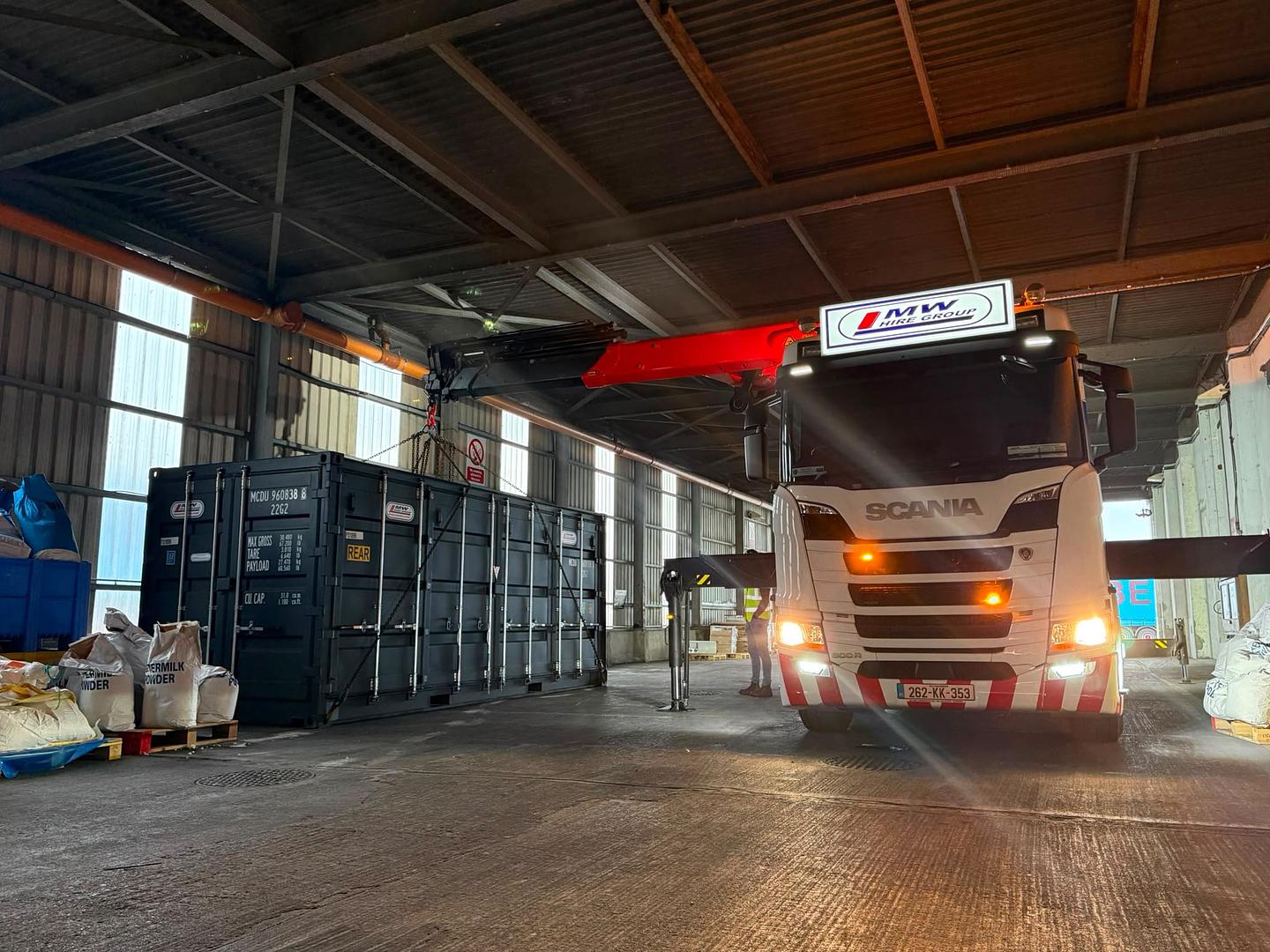
On-Site Storage Containers: Why They Matter and How They Improve Every Jobsite
Whether you manage a construction project, oversee a facility, or run an operations-heavy business, one challenge is nearly universal: keeping tools, materials, and equipment secure, organized, and accessible. On-site storage containers solve that problem in a practical, scalable way. More than just a place to put things, storage containers help reduce downtime, improve safety, protect assets from weather and theft, and keep your site running efficiently.
In this article, we’ll break down why storage containers are important on-site, the most common use cases, and what to consider when choosing the right storage container solution for your needs.
What Are On-Site Storage Containers?
On-site storage containers are durable, lockable units—often based on shipping container designs—placed directly at a jobsite or facility to store tools, inventory, equipment, or materials. Common sizes include 10ft, 20ft, and 40ft containers, and they can be purchased or rented depending on the length and nature of the project.
Because they’re built for heavy-duty use and harsh conditions, storage containers are a reliable choice for construction sites, industrial yards, warehouses, schools, event venues, and any operation that needs secure storage without permanent building work.
The Importance of Storage Containers on Site
1) Stronger Security for Tools and Equipment
Theft and unauthorized access can create immediate financial loss and major project delays. On-site storage containers provide a secure, enclosed space that can be fitted with heavy-duty lockboxes, internal locking systems, and site-approved access controls.
For construction sites in particular, storing power tools, copper wiring, small plant equipment, and high-value materials inside a secure storage container can significantly reduce the risk of loss and help keep the job moving.
2) Better Organization Means Faster Work
Time lost searching for tools or moving materials from off-site storage adds up quickly. With a storage container on site, teams can keep frequently used items close to where the work happens. A well-organized container—using shelving, racks, labeled bins, or tool boards—creates a streamlined system for inventory and equipment management.
When everything has a designated place, crews spend less time tracking down supplies and more time completing tasks. The result is a more productive, efficient workday.
3) Weather Protection for Materials and Inventory
Rain, wind, dust, and temperature swings can damage materials and shorten the lifespan of equipment. Storage containers provide reliable protection against the elements, helping preserve everything from cement bags and fasteners to electrical components and finishing materials.
For businesses storing seasonal inventory or sensitive supplies, using weather-resistant on-site storage containers helps reduce spoilage, packaging damage, and waste—especially when paired with ventilation or insulation options.
4) Improved Site Safety and Compliance
A cluttered site is a risky site. Loose materials, exposed tools, and unmanaged storage areas can create trip hazards and increase the likelihood of accidents. On-site storage containers support a cleaner, safer environment by giving teams a defined space to store and secure items when not in use.
In many industries, keeping sites organized and materials properly stored also supports compliance with workplace safety policies and site audit requirements.
5) Reduced Downtime and Fewer Delays
Project timelines are often impacted by missing tools, misplaced materials, or delayed deliveries. On-site storage containers allow you to keep critical supplies available and protected, reducing reliance on frequent pickups and last-minute procurement.
If you regularly use specialized tools or scheduled materials, having them stored on-site in a secure container can minimize interruptions and keep work progressing even when deliveries are delayed.
6) Flexible Storage That Scales With Your Needs
Unlike permanent buildings, storage containers are modular and movable. Need extra storage during a busy phase of the project? Add another container. Need to relocate as the work zone shifts? Move the container. This flexibility makes storage containers ideal for dynamic sites and evolving operations.
For companies with multiple locations or rotating projects, portable storage solutions offer a consistent, repeatable approach without major construction costs.
Common On-Site Uses for Storage Containers
Storage containers are surprisingly versatile. Depending on your operation, they can support many functions beyond basic storage:
- Jobsite tool and equipment storage: Secure daily-use tools, PPE, consumables, and small equipment.
- Material staging: Store materials closer to work areas to reduce handling time and improve workflow.
- Spare parts and maintenance inventory: Keep essential components on-site for faster repairs and less downtime.
- Document and plan storage: Protect site documents, manuals, and records in a controlled environment.
- Seasonal or overflow storage: Use containers to manage inventory peaks without expanding your building footprint.
- Secure waste management: Store recyclable materials or valuable scrap (such as metals) until pickup.
Choosing the Right Storage Container for Your Site
Not all storage containers are the same. Choosing the right unit depends on your site layout, what you’re storing, and how frequently you need access.
Size and Capacity
Start by estimating the volume of items you need to store and how often they will move in and out. A 10ft container may suit tools and consumables, while 20ft and 40ft units are common for larger material storage and equipment. It’s also worth planning for growth—running out of space leads to poor organization and safety issues.
Security Features
Look for robust door locking systems, lockboxes, and heavy-duty hinges. If you store high-value equipment, consider additional security measures such as internal cages, alarm systems, or site lighting positioned around the container.
Condition: New vs. Used
Used containers can be cost-effective and perfectly suitable for many sites. New or “one-trip” containers offer a cleaner interior and typically fewer dents or wear, which can matter if you store sensitive materials or present the container in a customer-facing location.
Access and Placement
Plan the container’s location to support workflow. Place it where it can be accessed by delivery vehicles if needed, but not so exposed that it becomes a security target. Ensure the ground is level and stable; poor placement can cause door alignment issues and create safety concerns.
Customization Options
Many businesses benefit from customizing storage containers to match site requirements. Useful upgrades include shelving, lighting, ventilation, insulation, personnel doors, ramps, and electrical fit-outs. These improvements can turn a simple container into an efficient storage hub that supports daily operations.
Renting vs. Buying: What Makes Sense?
If your need is short-term—such as a single project—renting an on-site storage container can be the most cost-effective solution. Renting is also helpful if you expect storage needs to fluctuate over time.
Buying may be a better long-term investment for companies with ongoing storage needs, multiple projects, or a steady requirement for secure on-site storage. Ownership also allows for deeper customization and consistent availability.
Best Practices for Getting the Most Value From On-Site Storage Containers
Once your storage container is on site, a few operational habits can significantly increase its value:
- Set up a simple inventory system to track tools and consumables and reduce loss.
- Use shelving and labeled storage to keep the floor clear and improve access.
- Assign responsibility for locking procedures and key control to avoid security gaps.
- Inspect regularly for door alignment, water ingress, rust spots, and lock condition.
- Keep frequently used items near the entrance to reduce time spent unloading or rearranging.
Why Storage Containers Are a Smart On-Site Investment
On-site storage containers are important because they support the fundamentals of efficient operations: security, organization, safety, and continuity. They help protect assets, reduce downtime, and create a cleaner, more controlled working environment—especially in high-traffic, high-risk, or weather-exposed sites.
If you’re looking to improve your jobsite storage, reduce losses, or streamline daily workflows, a secure storage container on site is one of the most practical upgrades you can make.