






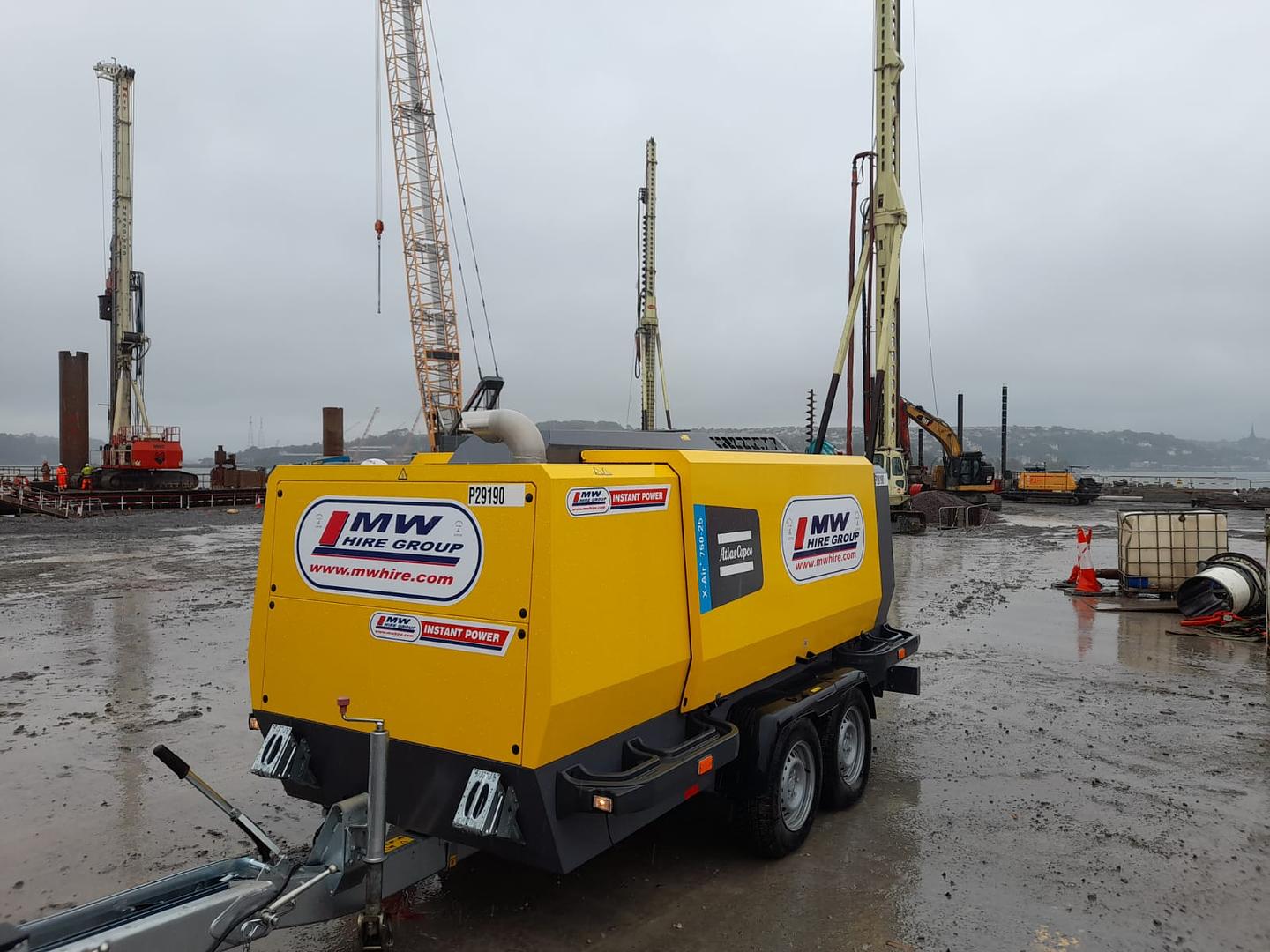
Compressors in Modern Operations: Why They Matter and the Benefits of Onsite Compressed Air
Across manufacturing, construction, utilities, and process industries, compressors are often the unseen workhorses that keep production moving. Whether powering pneumatic tools on a jobsite, controlling valves in a plant, or supporting packaging lines in a distribution center, reliable compressed air and gas compression can directly influence uptime, product quality, and operating costs.
This article explains the importance of compressors, the practical benefits they deliver, and why many organizations choose onsite compressed air systems to improve reliability and control.
Why Compressors Are So Important
At a basic level, a compressor increases the pressure of air (or another gas) so it can be stored, transported, and used to perform work. That simple function becomes critical because compressed air is a versatile, clean, and widely used utility in industrial environments.
Compressors matter because they can:
- Support continuous production by powering automation, actuators, and pneumatic tools.
- Enable consistent quality in applications that require stable pressure and airflow, such as spraying, packaging, and instrumentation.
- Improve safety by reducing reliance on electric tools in certain environments and by powering fail-safe controls.
- Provide flexibility across diverse tasks, from inflating and cleaning to conveying and process control.
In many facilities, compressed air is considered the “fourth utility” (alongside electricity, water, and gas). If the compressor system is undersized, poorly maintained, or inefficient, the results show up quickly: higher energy bills, slower cycle times, increased scrap, and unplanned downtime.
Common Compressor Applications Across Industries
Different industries depend on compressors in different ways, but the operational goal is the same: stable performance with minimal interruptions.
- Manufacturing and assembly: pneumatic tools, robotics, parts handling, clamping, and air knives.
- Food and beverage: packaging, conveying, blow-off, and instrument air (often with stricter air quality requirements).
- Pharmaceutical and medical: clean, dry air for process equipment and controls.
- Automotive and metalworking: painting, sanding, spraying, and shop air for tools.
- Construction and civil works: portable compressors for jackhammers, drilling, shotcrete, and site utilities.
- Energy and utilities: valve actuation, instrumentation, and maintenance operations.
Because compressors touch so many processes, improvements in reliability and efficiency often have an outsized impact on business performance.
Key Benefits of a Well-Designed Compressor System
1) Higher Uptime and Operational Reliability
Compressor reliability directly affects the equipment that depends on it. A properly sized industrial compressor, paired with adequate storage and controls, helps maintain steady pressure during peak demand and reduces nuisance shutdowns. Stable pressure also helps protect downstream equipment such as regulators, valves, and pneumatic cylinders.
2) Better Energy Efficiency and Lower Operating Costs
Energy is typically the largest lifecycle cost of compressed air. Inefficient compressors, excessive pressure setpoints, leaks, and poor control strategies can waste significant power. Modern solutions such as variable speed drive (VSD) compressors, sequenced multi-compressor controls, and heat recovery can reduce energy consumption while improving performance.
Practical efficiency gains often come from:
- Right-sizing the compressor to actual demand (including peak and off-peak patterns).
- Reducing system pressure to the minimum required for quality and throughput.
- Fixing leaks and managing artificial demand.
- Using appropriate dryers and filtration without excessive pressure drop.
3) Improved Air Quality for Sensitive Processes
Not all compressed air is equal. Many applications require controlled levels of moisture, oil carryover, and particulates. Adding the right combination of aftercoolers, dryers (refrigerated or desiccant), and filters helps protect tools and processes, prevents corrosion, and reduces product contamination risk.
4) Scalability and Flexibility
As facilities expand or shift product lines, air demand can change quickly. Modular compressor rooms, multiple units with smart sequencing, and appropriately sized receivers allow a system to scale. For projects and temporary needs, portable compressors can bridge gaps without overbuilding permanent infrastructure.
The Case for Onsite Compressed Air: Practical Advantages
“Onsite” can mean different things depending on the business: a permanently installed compressor room in a plant, a dedicated compressed air container solution at a remote location, or portable compressors deployed directly where work is happening. In all cases, the goal is control and reliability.
Onsite Benefit #1: Immediate Availability Where and When You Need It
With onsite compressed air, you are not dependent on external supply schedules or the availability of third-party equipment. This is especially valuable for operations that run multiple shifts, have unpredictable peaks, or operate in remote areas where logistics add risk.
Onsite Benefit #2: Greater Control Over Pressure, Flow, and Air Quality
Onsite systems can be tailored to your process requirements. That includes:
- Stable pressure bands for consistent tool and equipment performance.
- Dedicated “clean air” lines for sensitive applications.
- Proper drying and filtration to match industry standards and compliance needs.
This control helps reduce rework, improve cycle times, and prevent premature wear of pneumatic equipment.
Onsite Benefit #3: Reduced Downtime Through Redundancy and Service Planning
Onsite compressor installations can be designed with redundancy (N+1 configurations, backup units, or cross-tied systems) so maintenance does not stop production. With a service plan—scheduled oil changes, filter replacement, dryer checks, and vibration monitoring—many failures can be prevented before they become emergencies.
Onsite Benefit #4: Cost Predictability and Long-Term Value
While there is an upfront investment, onsite compressed air often delivers cost predictability over time. You can measure energy consumption, identify leaks, optimize controls, and plan maintenance on your schedule. Many organizations also reduce total cost by using heat recovery from compressors to support space heating or process hot water needs.
Onsite Benefit #5: Better Safety and Housekeeping
Onsite systems can be engineered for safer operation: appropriate ventilation, noise control, condensate management, and clearly labeled isolation points. On construction sites and industrial yards, placing portable compressors closer to the point of use can reduce hose runs, trip hazards, and pressure losses.
Choosing the Right Compressor: What to Consider
Selecting an air compressor is not only about horsepower. The right solution balances performance, reliability, and efficiency in your specific environment.
- Air demand (CFM) and pressure (PSI): map average and peak usage, including future expansion.
- Compressor type: rotary screw for continuous duty, reciprocating for intermittent use, centrifugal for very high volumes, and oil-free options for sensitive applications.
- Duty cycle and operating hours: 24/7 operations benefit from robust designs and redundancy.
- Air quality requirements: dryers and filtration should match application needs and minimize pressure drop.
- Site conditions: temperature, dust, humidity, and available electrical service affect performance and maintenance intervals.
Best Practices to Maximize Compressor Performance Onsite
Even the best compressor can underperform in a poorly managed system. A few disciplined practices often deliver immediate gains:
- Audit for leaks and repair them routinely; leaks are one of the most common causes of wasted compressed air.
- Maintain filters and dryers to protect equipment and avoid pressure drop.
- Right-size storage (air receivers) to stabilize pressure during short bursts of high demand.
- Monitor key metrics such as kW, pressure, dew point, and runtime to spot inefficiencies early.
- Keep the compressor room clean and cool with proper ventilation and safe access for service.
Conclusion: Onsite Compressors as a Competitive Advantage
Compressors do far more than supply air; they support productivity, quality, and safe operations. With the right equipment and a well-designed distribution system, onsite compressed air can improve uptime, reduce energy waste, and deliver consistent performance across the tools and processes that keep your business running.
If your organization is experiencing pressure instability, rising energy costs, or frequent maintenance issues, it may be time to evaluate your compressor setup—starting with a demand assessment, air quality requirements, and a plan for efficient onsite generation.