






Site Accommodation in Industrial Construction: A Practical Guide to Planning, Compliance, and Performance
Industrial construction projects run on logistics: people, materials, equipment, permits, and schedules must align every day. One often overlooked factor that directly affects productivity and safety is construction site accommodation. From site offices and welfare facilities to secure storage and temporary power, the quality of your temporary site accommodation can determine whether your project operates smoothly—or spends weeks recovering from avoidable disruptions.
This guide covers what site accommodation includes, how to plan it, key compliance considerations, and best practices for industrial environments such as manufacturing plants, energy sites, warehouses, and process facilities.
What Is Site Accommodation in Construction?
Site accommodation refers to the temporary buildings, cabins, and support infrastructure needed to manage and operate a construction site safely and efficiently. In industrial construction, accommodation typically includes:
- Site offices for project management, engineering, and meetings
- Welfare facilities (toilets, washing, changing, drying rooms, canteens)
- Break areas and rest spaces
- Medical/first-aid rooms and incident response areas
- Security and access control (gatehouses, turnstiles, reception)
- Storage for tools, materials, and hazardous items (where permitted)
- Parking and traffic management zones
- Temporary utilities (power distribution, water, drainage, data)
On complex industrial sites, accommodation may also include dedicated spaces for permits-to-work administration, quality control, document control, client oversight, and specialist subcontractor coordination.
Why Site Accommodation Matters on Industrial Projects
Industrial construction sites often operate under tight shutdown windows, strict safety controls, and challenging environmental conditions. Effective site accommodation helps deliver measurable benefits:
Improved productivity: Workers lose time when welfare facilities are inadequate, far away, or overcrowded. Good layout and capacity planning reduces walking time and keeps crews focused.
Better safety and compliance: Proper washing stations, changing areas, drying rooms, and first-aid provision support safer working practices, especially where PPE, contaminated clothing, or hazardous substances are involved.
Stronger coordination: Suitable office and meeting space accelerates decision-making, design reviews, permit briefings, and daily planning.
Reduced risk: Secure storage, controlled access, and robust site boundaries help prevent theft, unauthorized entry, and damage to equipment and materials.
Core Components of Construction Site Accommodation
1) Site Offices and Management Space
Industrial projects need space for construction management, engineering, supervision, and client representatives. Consider:
- Meeting rooms for toolbox talks, coordination, and client reviews
- Quiet work areas for planning, design checks, and reporting
- Document control space (including secure storage for sensitive documents where needed)
- Connectivity to support digital permits, drawings, reporting, and video meetings
2) Welfare Facilities (Non-Negotiable)
Welfare is a legal and moral requirement. Exact rules vary by jurisdiction, but most frameworks (e.g., HSE/CDM principles in the UK, OSHA expectations in the US, and similar local regulations) require adequate access to:
- Toilets and handwashing facilities
- Drinking water
- Rest and meal areas with seating and heating/ventilation
- Changing rooms and lockers where PPE or special clothing is required
- Showers where work is dirty, hot, or involves hazardous materials
- Drying rooms for wet-weather gear and PPE
On industrial sites, welfare must also account for shift patterns, peak headcount, and segregated areas (for example, separating clean and dirty zones where contamination controls apply).
3) Access Control, Security, and Site Boundaries
Industrial environments often sit within operational facilities or adjacent to critical infrastructure. A strong security setup supports both safety and asset protection. Common elements include gatehouses, controlled entry points, ID checks, visitor management, CCTV, lighting, and robust fencing or hoarding. Where vehicles and pedestrians mix, clear traffic routes and signage are essential.
4) Temporary Utilities and Services
Site accommodation is only as functional as the infrastructure behind it. Plan early for:
- Temporary power (distribution boards, backup options, testing and certification)
- Water supply and reliable drainage arrangements
- Heating, cooling, and ventilation appropriate to climate and process conditions
- Data and communications (Wi-Fi, wired connections, radios, emergency communication)
- Waste management and cleaning contracts
Industrial projects may also require specialized considerations such as earthing requirements, hazardous area restrictions, noise controls, or separation from process operations.
Modular Buildings vs. Traditional Temporary Structures
Most modern site accommodation cabins are modular. For industrial construction, modular solutions are popular because they are fast to deploy, scalable, and can be configured for welfare, office, and storage needs. Key selection factors include:
- Speed: Lead times, delivery logistics, and installation duration
- Flexibility: Ability to expand or reconfigure as headcount changes
- Durability: Suitability for heavy-duty environments and harsh weather
- Compliance: Fire safety, occupancy limits, accessibility, and local building requirements
- Comfort: Insulation, noise control, HVAC, and lighting
Traditional temporary structures may still be used for short-duration works, remote locations, or specific site constraints, but modular buildings often provide better long-term value on multi-month industrial programs.
Planning and Layout: Start Earlier Than You Think
Site accommodation is not a “set and forget” item. A well-planned layout should support daily workflows and reduce movement across high-risk zones. Consider these practical principles:
Place welfare close to workfaces where feasible, while maintaining safe separation from hazards and heavy traffic routes.
Design for peak headcount, not average. Underestimating numbers leads to queues, downtime, and poor welfare standards.
Separate pedestrians and vehicles with clearly marked walkways, crossings, and controlled access points.
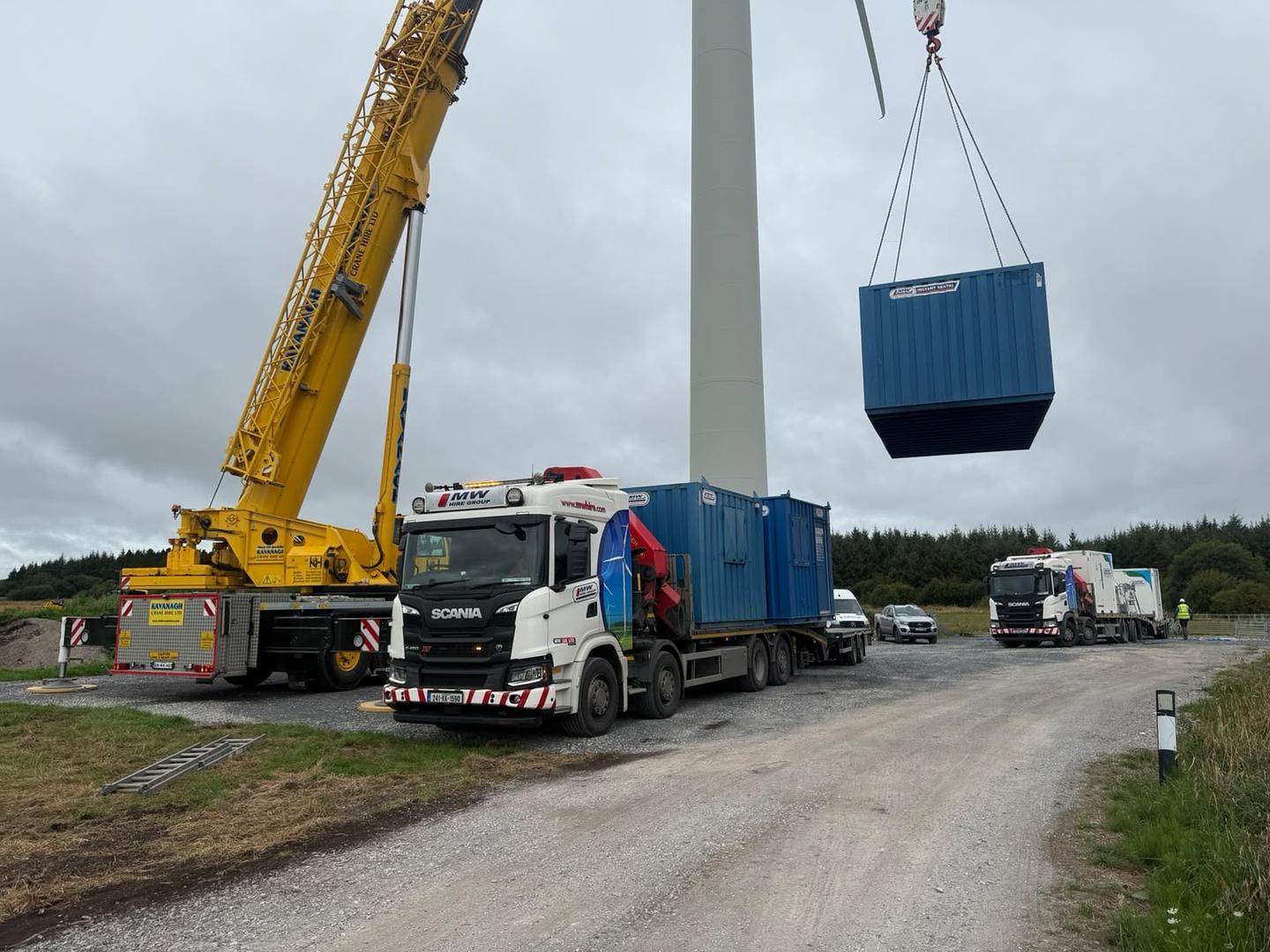
Plan for deliveries and cranage so cabins can be installed, relocated, or removed without disrupting critical operations.
Include emergency planning—assembly points, fire routes, signage, extinguishers, and emergency lighting as required.
Compliance Considerations: What to Check
Regulations differ by country and industry, but construction site accommodation typically intersects with:
- Welfare standards (toilets, washing, rest areas, drinking water)
- Fire safety (alarms, extinguishers, escape routes, occupancy limits)
- Electrical safety (inspection, testing, temporary power rules)
- Accessibility (reasonable access for all workers and visitors)
- Environmental controls (wastewater, noise, dust, emissions)
- Site-specific industrial rules (permits-to-work, exclusion zones, hazardous areas)
Always confirm local legal requirements and client standards, and ensure documentation is in place (risk assessments, inspection records, maintenance logs, and any required certifications).
Sustainability and Cost Control in Temporary Site Accommodation
Industrial clients increasingly expect sustainability measures even in temporary facilities. Practical options include LED lighting, insulated modular units, occupancy sensors, efficient HVAC, and responsible waste management. Where projects run for many months, energy-efficient cabins can reduce operating costs significantly.
From a budgeting perspective, compare purchase versus rental, and include the full lifecycle cost: delivery, installation, utility connections, maintenance, cleaning, repositioning, and demobilization. The cheapest weekly rate can become costly if it causes downtime, compliance issues, or repeated relocations.
Common Mistakes to Avoid
- Underestimating headcount: Especially during peak trades or shutdown phases
- Poor placement: Too far from work areas, or exposed to vehicle conflict points
- Neglecting utilities: Inadequate power, drainage, or connectivity can stop work
- Ignoring future phases: Accommodation should evolve with the construction program
- Weak maintenance planning: Cleaning, consumables, and repairs must be scheduled
A Simple Checklist Before You Mobilize
Before site start, ensure you can answer these questions:
- What is the peak workforce, by phase and shift?
- What welfare facilities are required by law, client standard, and site conditions?
- Do you have confirmed power, water, drainage, and data solutions?
- Is the layout designed to minimize walking time and vehicle interaction?
- Are fire safety, access control, and emergency arrangements documented and in place?
- Who owns cleaning, maintenance, inspections, and consumables replenishment?
Final Thoughts: Site Accommodation Is a Productivity Tool
In industrial construction, site accommodation is not just a row of cabins—it is a critical operating system that supports safety, compliance, workforce wellbeing, and project delivery. When planned early and managed actively, construction site accommodation reduces downtime, improves coordination, and helps teams perform at their best under demanding conditions.
If you want your project to start strong and stay controlled through every phase, treat site accommodation with the same discipline you apply to procurement, logistics, and scheduling. The returns show up in safer work, better morale, and more predictable delivery.