






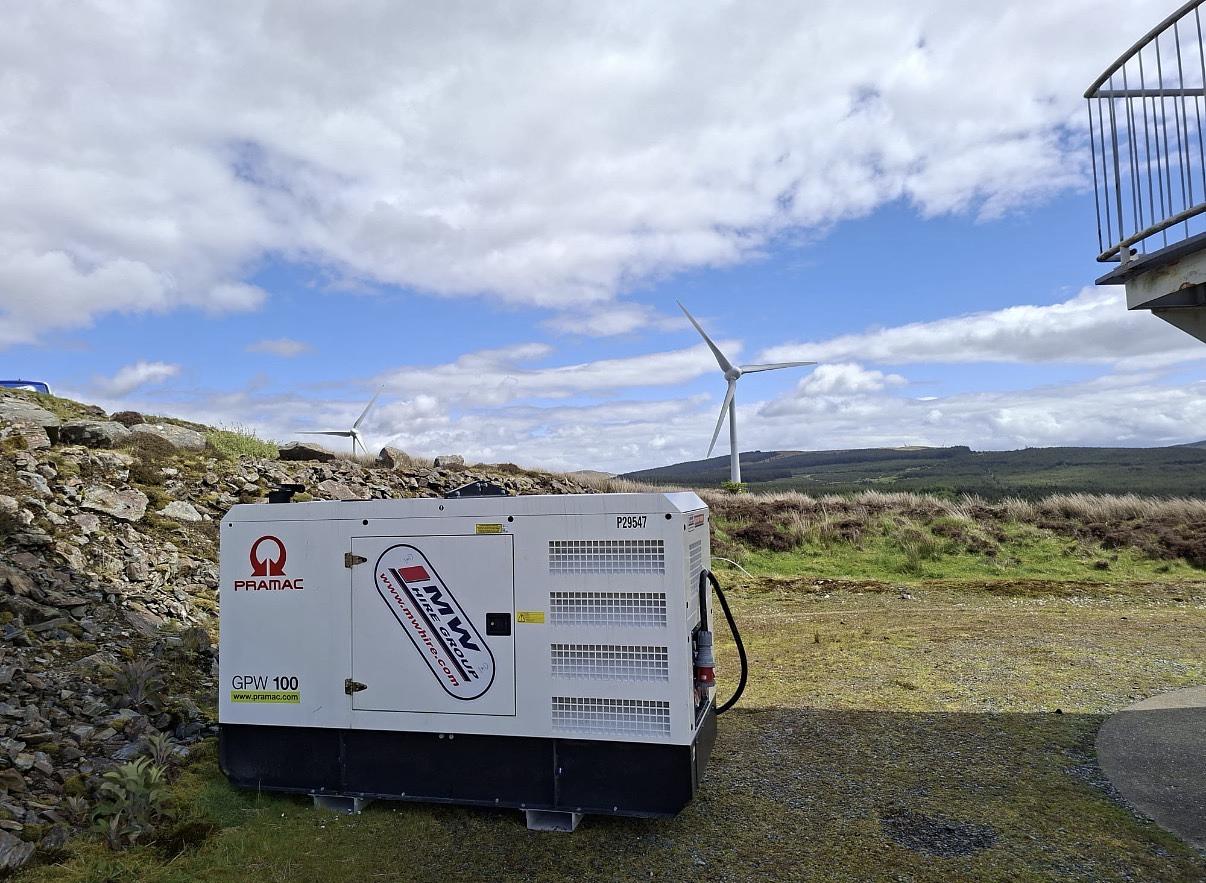
Generator Benefits for Wind Farms: Reliable On-Site Power for Construction, Operations, and Accommodation
Wind energy has become a cornerstone of modern renewable power strategy, but even the most advanced wind farm depends on dependable on-site power to keep people safe, equipment protected, and schedules on track. From early civil works and turbine erection to long-term operations and maintenance, generators for wind farms play a practical role: they provide consistent electricity where the grid is unavailable, unstable, or simply not yet connected.
This article explores the key generator benefits for wind farms, with a focus on temporary and backup power, power for on-site accommodation, and the broader energy needs that support wind farm productivity.
Why Wind Farms Need Generators (Even Though They Produce Electricity)
A common misconception is that a wind farm can always power itself. In reality, wind turbines generate electricity only when wind conditions and grid availability allow. Many wind farm sites also face long lead times for grid connection, and some are located in remote areas where power infrastructure is limited.
Generators support wind farm energy projects in three main ways:
- Temporary power during construction and commissioning
- Backup power for critical systems during grid interruptions
- On-site power for accommodation, welfare facilities, and maintenance operations
Generator Benefits During Wind Farm Construction and Commissioning
Construction is often the most power-intensive and logistically complex phase of a wind farm project. Before the permanent electrical network is energized and the grid connection is fully operational, teams still need power to build, test, and safely commission the site.
1) Keeping Construction Moving in Remote Locations
Many wind farms are developed in areas chosen for strong wind resources rather than proximity to utilities. That can mean limited or no grid power for months. Temporary generator power can support:
- Site offices and communications
- Lighting for work areas and security
- Power tools, compressors, and minor plant loads
- Temporary substations and commissioning activities
2) Supporting Commissioning and Testing Activities
Commissioning requires stable electricity for instrumentation, control systems, and test equipment. Generators can provide clean, regulated power—especially when paired with power distribution units, voltage regulation, and proper load management—helping teams avoid delays caused by unreliable temporary connections.
3) Reducing Schedule Risk and Cost Overruns
Downtime on a wind farm construction site can be expensive. Weather windows, crane availability, and contractor schedules are tightly coordinated. A well-planned generator setup reduces the risk of stoppages due to power constraints, protecting the overall build timeline and minimizing indirect costs.
Generators for Wind Farm Operations: Backup Power and Business Continuity
Once operational, wind farms rely on a range of electrical systems beyond the turbines themselves. Even short interruptions can impact safety, monitoring, and asset integrity. This is where backup generators deliver real value.
1) Maintaining Critical Systems During Grid Outages
Grid faults, storms, and switching events can interrupt site power. A backup generator can keep essential services running, including:
- SCADA and monitoring systems
- Security systems, CCTV, and access control
- Emergency lighting and safety systems
- Communication links and network equipment
- Auxiliary loads in substations and control rooms
For many operators, continuity for monitoring and communications is not optional; it supports rapid fault response, reduces operational risk, and helps protect revenue.
2) Protecting Equipment and Minimizing Restart Delays
Controlled shutdowns and orderly restart procedures matter for reliability and maintenance planning. Generator-backed power can support safe sequencing for critical infrastructure and reduce the operational friction that can follow a site-wide outage.
3) Supporting Maintenance, Tools, and Mobile Work
Routine maintenance often requires portable power across large geographic footprints. Mobile generators (and hybrid generator-battery units) can provide reliable electricity for service teams working away from the main compound, especially where access is difficult or where temporary power is needed at multiple turbine locations.
On-Site Accommodation and Welfare: Powering People to Power the Project
Wind farm projects frequently require teams to live on-site or nearby—particularly during construction peaks, major component replacements, or commissioning. Reliable electricity for accommodation, welfare units, and site facilities is critical for productivity, health, and compliance.
Key Accommodation Loads Generators Can Support
Depending on site setup and climate, generators may provide primary or supplementary power for:
- Cabins and modular accommodation (lighting, outlets, device charging)
- Heating and cooling (often major loads in exposed environments)
- Catering facilities (kitchens, refrigeration, hot water)
- Welfare facilities (showers, toilets, wash stations, laundry)
- Medical and safety stations
Improving Workforce Efficiency and Retention
Comfortable, dependable accommodation is more than a convenience. It supports shift work, reduces travel time, and helps maintain consistent staffing—important factors when projects are remote and weather-dependent. Generators ensure welfare facilities operate reliably, even when the grid is unavailable or undersized.
Hybrid Power: Generators, Batteries, and Renewable Integration On-Site
Increasingly, wind farm sites are adopting hybrid power solutions to reduce fuel consumption and emissions while maintaining reliability. This can include pairing generators with battery energy storage systems (BESS) and, where feasible, supplemental solar.
Benefits of Hybrid Generator Systems for Wind Farms
- Lower fuel use through optimized run times and battery buffering
- Improved power quality for sensitive electronics and communications
- Reduced noise during low-load periods (battery-only operation)
- Better load management for variable site demand
Hybrid configurations are especially useful for accommodation compounds and site offices, where loads fluctuate throughout the day and night.
Choosing the Right Generator Setup for a Wind Farm
Wind farm generator planning works best when treated as part of the project’s energy strategy rather than an afterthought. Proper sizing and distribution design can improve reliability and reduce operating costs.
Key Considerations
Load assessment: Identify peak and continuous loads across construction equipment, site facilities, and accommodation. Include starting currents for motors and HVAC.
Redundancy: Consider N+1 configurations for critical loads such as SCADA, security, and welfare facilities.
Fuel logistics: Remote wind farms require careful planning for fuel delivery, storage, and spill prevention.
Power distribution: Use appropriate switchgear, protection, and cabling to support safe site-wide temporary power.
Environmental and permitting: Noise limits, emissions requirements, and local regulations may influence generator selection and placement.
Safety, Compliance, and Reliability Best Practices
Generators on wind farm sites must be installed and operated to a high standard, particularly in challenging weather and terrain conditions. Best practices typically include:
- Routine testing under load to confirm start-up and transfer performance
- Preventive maintenance schedules aligned with site access and weather windows
- Fire safety measures and appropriate separation distances
- Secondary containment for fuel and clear refueling procedures
- Monitoring for performance, alarms, and fuel levels
These measures protect workers, support regulatory compliance, and ensure the generator system performs when it is most needed.
Conclusion: Generators Strengthen Wind Farm Energy Projects from Day One
Wind farms deliver clean electricity to the grid, but the project itself depends on consistent, dependable power across its lifecycle. The benefits of generators for wind farms are straightforward and substantial: they keep construction moving, protect operational continuity, and provide vital on-site power for accommodation and welfare facilities.
Whether deployed as temporary construction power, critical backup power, or as part of a hybrid on-site microgrid, a well-designed generator solution reduces risk, supports safety, and helps wind farm teams deliver reliable renewable energy with fewer interruptions.