






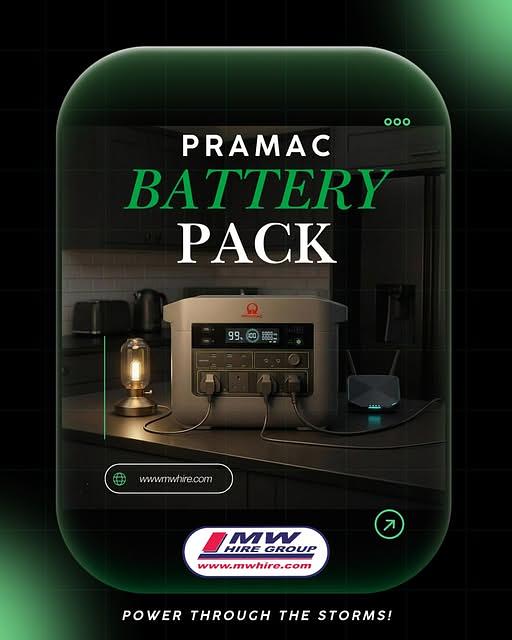
Pramac Battery Pack PWB2400 and Smart Storm Preparedness: How to Stay Powered and Safe When Bad Weather Approaches
Storm season has a way of turning everyday routines into urgent decisions. Power outages, flooded roads, and communication disruptions can escalate quickly—especially when severe weather arrives overnight or during working hours. One of the most practical ways to reduce stress and improve safety is to plan ahead with reliable backup power and clear, calm actions.
The Pramac Battery Pack PWB2400 is designed to help bridge the gap when the grid goes down, providing portable, quiet power for essential devices. Paired with common-sense storm preparedness, it can support a safer, more comfortable response before, during, and after severe weather.
Why Backup Power Matters When Storms Are Coming
When storms bring high winds, lightning, heavy rain, or snow, power interruptions can range from brief flickers to multi-day outages. Losing electricity is more than an inconvenience—it can affect:
- Communication: Phones, internet equipment, and radios may be your primary link to emergency updates.
- Health and safety: Medical devices, lighting, and security systems may be critical.
- Food and comfort: Refrigeration, small cooking appliances, fans, or space heating (where appropriate) can help maintain livable conditions.
- Work continuity: For home offices and small businesses, downtime can mean missed revenue and operational delays.
A portable battery pack is often a safer, cleaner alternative to fuel-powered generators for many day-to-day needs—particularly indoors—because it does not produce exhaust fumes. The key is choosing a battery pack that fits your use case and knowing how to operate it responsibly.
What the Pramac Battery Pack PWB2400 Is (and What It’s Best For)
The Pramac PWB2400 battery pack is built to provide dependable portable power for essential loads during outages, site work, and mobile operations. While capabilities vary by configuration and the devices connected, users typically choose this category of battery pack for its practical advantages:
- Quiet operation: Useful for residential neighborhoods, nighttime use, or any setting where noise is a concern.
- No on-site emissions: Battery power avoids the fumes and ventilation challenges associated with fuel-powered generators.
- Portable convenience: Easier to position where power is needed, whether at home, in a garage, or at a small business.
- Versatility: Suitable for charging phones, laptops, lights, and other low-to-moderate power devices within the unit’s rated output.
From a storm preparedness standpoint, the PWB2400 is most valuable when you treat it as part of a broader plan: a way to keep your communications and essentials running while you follow safety guidance and wait for conditions to improve.
Important: Always consult your PWB2400 manual for the exact rated output, charging requirements, and permitted operating conditions. Avoid connecting devices that exceed the battery pack’s limits.
How to Use a PWB2400 Battery Pack in Your Storm Readiness Plan
1) Charge Early—Before Warnings Turn Into Outages
As soon as a credible storm watch or warning is issued in your area, make charging your battery pack a priority. Do not wait until winds pick up or the lights start flickering. A fully charged battery pack gives you flexibility if you need to relocate inside the house, assist neighbors, or conserve phone power for emergency communications.
2) Decide What You’ll Power (and What You Won’t)
In a storm, the goal is not to “power the whole house.” The goal is to keep critical items running as efficiently as possible. Consider prioritizing:
- Mobile phones and power banks
- Wi-Fi router/modem (if service remains available)
- LED lights or task lighting
- A laptop for work continuity or emergency information
- Small medical or accessibility devices, if compatible with the battery pack’s output
Use the battery pack’s output ratings to guide decisions. If a device is high-draw or has a motor/compressor, confirm compatibility and startup requirements before relying on it in an emergency.
3) Set Up a “Power Station” Area
Choose a dry, ventilated, stable location—ideally above potential flood level—where you can safely operate and monitor the battery pack. Keep cables organized to reduce trip hazards, and ensure the unit is protected from water intrusion, extreme heat, and direct exposure to rain.
4) Practice Before Storm Season
Do a short trial run on a clear day. Charge the unit fully, connect a few key devices, and confirm you understand the indicators, ports, and basic troubleshooting steps. This prevents confusion during an actual outage when time and visibility may be limited.
How People Should Act When Storms Are Coming: Practical, Safety-First Steps
Follow Alerts and Make Decisions Early
Use trusted sources such as local emergency management, weather services, and official municipal updates. If evacuation is advised, take it seriously and act promptly. Backup power is helpful, but it is not a substitute for leaving a dangerous area.
Secure Your Home and Reduce Hazards
Before conditions worsen:
- Bring in outdoor furniture, bins, and loose items that can become wind-borne hazards.
- Trim or remove dead branches when safe and permitted.
- Move valuables and important documents to a higher, dry location if flooding is possible.
- Park vehicles away from trees and power lines when feasible.
Prepare a Communication and Lighting Plan
During storms, information changes quickly. Keep phones charged and consider a battery-powered radio for updates if cellular service becomes unreliable. Use efficient lighting (like LED lamps) rather than draining a phone battery as a flashlight.
Stay Clear of Electrical and Flooding Dangers
Storm-related injuries often happen after the storm arrives. Key rules:
- Avoid downed power lines and assume they are energized.
- Do not drive through floodwater. Water depth and road integrity can be deceptive.
- Keep battery packs and charging gear dry. Water and electricity are a dangerous mix.
Use Backup Power Responsibly
Battery packs are generally easier to use than fuel generators, but safety still matters:
- Operate the unit on a stable surface where it cannot tip.
- Use manufacturer-recommended cables and chargers.
- Do not overload outlets or use damaged cords.
- Keep the unit away from standing water, wet basements, and heavy moisture.
After the Storm: Be Cautious During Cleanup
Wait for official guidance before resuming normal routines. Watch for structural damage, gas smells, and electrical hazards. If you use the PWB2400 during cleanup for lighting or device charging, keep it away from dust, water, and unstable debris piles.
Who Benefits Most from the Pramac PWB2400 in Storm Scenarios?
The Pramac battery pack PWB2400 can be especially helpful for:
- Homeowners and renters who want quiet, portable backup power for essentials
- Remote workers who need to keep devices powered to maintain connectivity when possible
- Small businesses that rely on phones, POS accessories, or networking equipment
- Households with critical communication needs where staying informed is a priority
When combined with early preparation and clear safety behavior, a battery pack becomes more than a convenience—it becomes part of a reliable storm response routine.
Final Checklist: Powered, Prepared, and Safe
As storms approach, focus on two outcomes: staying safe and staying informed. Charge your Pramac PWB2400 early, prioritize essential devices, and follow local emergency guidance. The best time to plan is before the forecast turns urgent—because once severe weather hits, your options narrow quickly.