






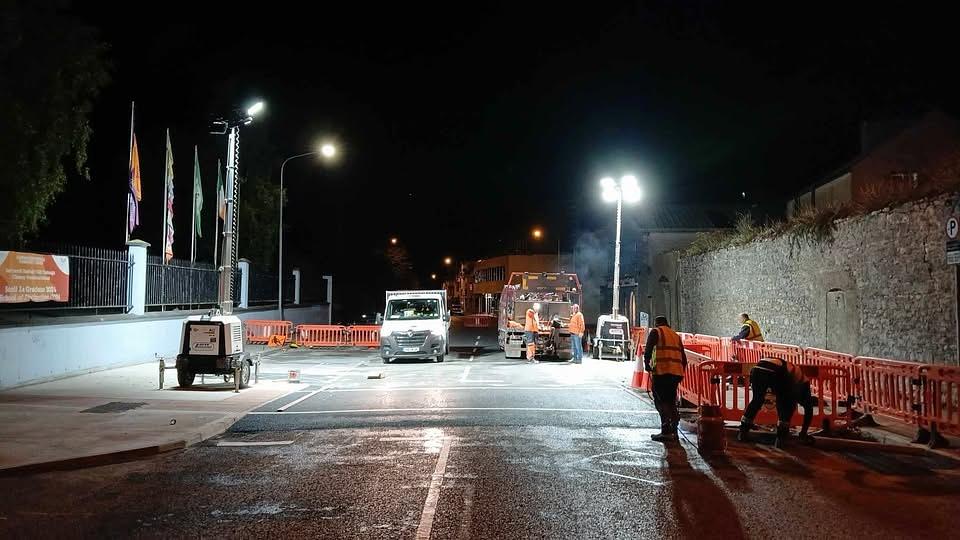
Generac Towerlights (Including Hybrid Models): Why This Is the Season to Plan Ahead for After-Hours Site Safety
As the days grow shorter and weather becomes less predictable, construction and industrial sites face a familiar challenge: maintaining safe, productive operations when natural light disappears earlier in the afternoon. This is the time of year when demand spikes for portable light towers, and many crews find themselves competing for availability—especially on large projects, emergency work, and municipal jobs with tight schedules.
Generac towerlights, including hybrid light towers, are built for the realities of seasonal work: long runtimes, reliable performance, and the illumination needed to keep people, equipment, and materials safer after hours. Whether you purchase or rely on light tower rental to meet peak demand, planning now can help you avoid downtime later.
Why Fall and Winter Increase the Need for Construction Site Lighting
Reduced daylight is the obvious factor, but it is not the only one. Many projects accelerate timelines in late fall to hit year-end milestones. In addition, roadwork, utility repair, and storm response often require nighttime or off-peak operations to minimize disruption to traffic and the public.
When visibility drops, risks increase quickly:
- Trips, slips, and falls around uneven ground, trenches, cords, and debris.
- Struck-by incidents involving moving equipment, forklifts, and deliveries.
- Reduced operator awareness near laydown yards, access roads, and staging areas.
- Security vulnerabilities after hours, including theft, vandalism, and unauthorized entry.
Effective jobsite lighting is one of the simplest, most impactful ways to reduce these hazards and create a safer work environment—both during active shifts and when the site is unattended.
What Sets Generac Towerlights Apart on the Jobsite
Generac is widely recognized for dependable power and equipment engineered for tough conditions. Their light towers are designed with contractor needs in mind: durability, ease of use, and lighting performance that supports safety and productivity.
High-Output Illumination and Coverage
A well-chosen light tower should deliver broad, consistent illumination across active work zones without excessive glare. Many Generac towerlight configurations use LED lighting designed to provide strong visibility while helping reduce the frequency of bulb replacements. Proper coverage is critical for:
- Concrete pours and finishing
- Utility trenching and backfill
- Road and bridge projects
- Plant shutdowns and industrial maintenance
- Material staging and loading areas
Runtimes Built for Long Nights
In peak season, the goal is simple: keep lighting on without interruptions. A dependable portable light tower should support long runtimes, straightforward refueling schedules, and practical controls. When crews are stretched thin, equipment that starts easily and operates consistently becomes an operational advantage.
Ease of Transport, Setup, and Positioning
Time lost repositioning lighting is time not spent building. Light towers that are simple to tow, level, and raise help crews adapt as a site changes. Positioning matters for both safety and efficiency: you want adequate light on task areas and access points while avoiding blinding glare for operators and drivers.
Why Hybrid Light Towers Are Gaining Momentum
Hybrid models are becoming a preferred option for contractors who want flexibility, lower fuel consumption, and reduced noise—without sacrificing performance. A Generac hybrid light tower typically combines an engine-generator system with battery storage, allowing the tower to run in different modes depending on demand.
Fuel Efficiency and Longer Effective Runtime
Hybrid light towers can reduce fuel use by relying on batteries when full engine output is not necessary. This can be especially valuable during overnight lighting periods when consistent illumination is needed, but peak power demand is modest. Less fuel consumption can mean fewer refueling trips and less opportunity for downtime.
Reduced Noise for Night Work
Noise restrictions are increasingly common in residential-adjacent projects, municipal work, and facility maintenance. Hybrid systems can operate more quietly during certain periods, making them a strong choice for after-hours work where community impact matters.
Lower Emissions and Sustainability Goals
Many organizations now track emissions and environmental impact across projects. Hybrid light towers support these efforts by helping reduce fuel burn, which can contribute to sustainability targets without compromising safety requirements.
After-Hours Site Safety: Lighting as Both Protection and Prevention
When the crew leaves for the day, the risks do not. Poorly lit sites can invite accidents for late deliveries, on-call maintenance, or security personnel, and they may increase the likelihood of theft and vandalism. Strategic after-hours lighting is not only about visibility—it is also about deterrence and control.
Improve Visibility at High-Risk Zones
Prioritize lighting around:
- Site entrances and gates
- Pedestrian paths and temporary stairs
- Trailer areas and tool cribs
- Fuel storage and high-value equipment zones
- Material laydown yards and loading areas
This approach supports safer navigation and can strengthen overall site security by reducing dark pockets where incidents go unnoticed.
Support Security Measures and Monitoring
Lighting works best as part of a complete after-hours plan. Bright, consistent illumination improves camera footage quality and helps security patrols identify hazards and unauthorized activity. When paired with proper signage, fencing, and access control, construction site lighting becomes a meaningful layer of protection.
Reduce Liability with Proactive Risk Management
From a business standpoint, well-planned lighting can help reduce the likelihood of incidents that lead to claims, schedule disruptions, or rework. For many contractors, investing in reliable lighting is as much about protecting margins as it is about meeting safety expectations.
Seasonal Planning Tips: Getting the Most from Your Light Towers
To maximize performance and safety during the darker months, focus on planning, placement, and maintenance.
- Forecast your needs early: If you depend on rental inventory, secure units before peak season demand limits options.
- Plan tower placement: Aim for overlapping coverage in active work zones while minimizing glare on roadways and operator sightlines.
- Inspect and maintain: Check tires, outriggers, mast operation, electrical connections, and fuel systems. Cold weather magnifies small problems.
- Use controls wisely: Photocells, timers, or dusk-to-dawn settings can keep sites lit consistently and prevent unnecessary runtime.
- Train crews: Ensure teams understand setup, safe distances, leveling requirements, and shutdown procedures.
Choosing Between Standard and Hybrid Generac Towerlights
Both standard and hybrid light towers can be excellent solutions, but the best choice depends on your site priorities:
- Choose standard models when you want straightforward operation, proven performance, and a conventional fueling routine.
- Choose hybrid light towers when fuel efficiency, noise reduction, and lower emissions are priorities—especially for overnight or residential-adjacent work.
For many contractors, a mixed fleet is ideal: standard towers for heavy-demand areas and hybrid units for perimeter lighting, long overnight use, or noise-sensitive zones.
Prepare Now for Safer, More Productive Nights
As seasonal darkness sets in, the right lighting plan helps keep projects moving and people safer—while supporting stronger after-hours security. Generac towerlights and Generac hybrid light towers offer dependable options for contractors who need performance, efficiency, and confidence in challenging conditions.
If you anticipate night work, extended shifts, or increased after-hours security needs, now is the time to evaluate your lighting strategy, secure equipment, and verify that your site is ready for the months ahead.