






Fuel Tanks on Site
Published:
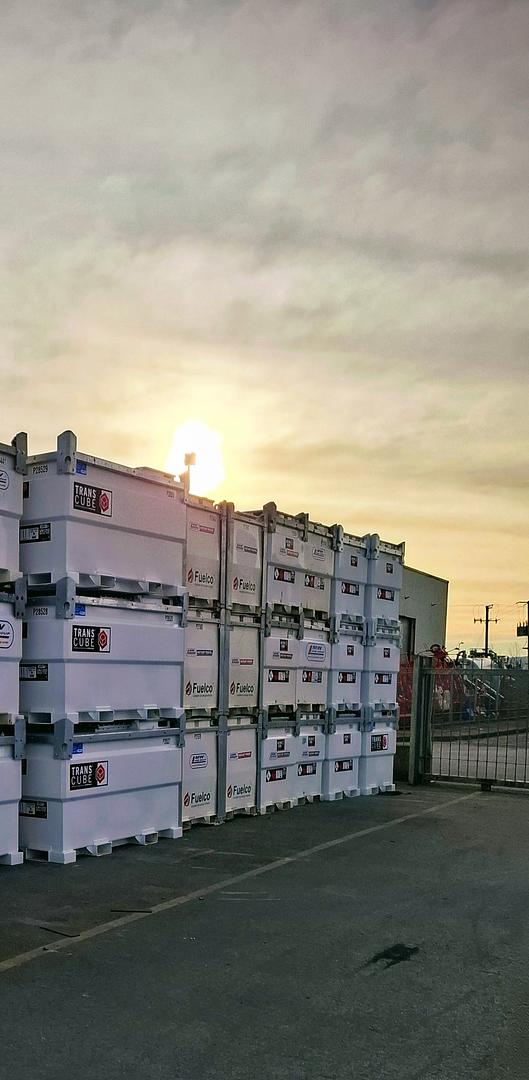
Fuel Tanks on Site: Why They Matter—and Why This Time of Year Makes Them Essential
When operations depend on uninterrupted power, fuel tanks are not just a piece of equipment in the background—they are a critical part of business continuity. From construction sites and industrial yards to logistics hubs, farms, and commercial facilities, onsite fuel storage keeps generators running, vehicles moving, and essential systems online.
As temperatures drop and seasonal demand rises, fuel planning becomes even more important. Shorter daylight hours, harsher weather, and an increased risk of power disruptions all put a spotlight on fuel tanks for generators and reliable onsite fuel storage. The result is a simple reality: if your fuel supply is not prepared, your site may not be either.
The Role of Fuel Tanks in Modern Site Operations
Fuel tanks serve one core purpose—secure, accessible fuel supply—but their impact is felt across the entire operation. They can reduce downtime, improve planning, and provide resilience when external conditions are unpredictable.
On many sites, a properly specified fuel tank supports:
- Backup power for critical loads (emergency generators, pumps, security systems, temporary site offices, lighting towers)
- Continuous operations in remote locations where refueling access is limited
- Better fuel cost control by enabling scheduled deliveries rather than last-minute purchases
- Reduced disruption by avoiding frequent refueling trips and ad hoc transport
In practice, a fuel tank is often the difference between a manageable issue and a full operational shutdown. That becomes especially clear in seasons when reliability is tested.
Why This Time of Year Drives Generator Fuel Demand
Fuel tank usage tends to surge in late autumn and winter for one key reason: sites are more exposed to risk. Weather-related interruptions don’t just affect comfort; they affect safety, productivity, and compliance obligations. Even businesses with robust infrastructure can face outages caused by storms, flooding, ice, or increased strain on the grid.
Common seasonal pressures that increase generator reliance include:
- Higher likelihood of power cuts due to storms and severe weather
- Increased energy demand during colder periods, which can stress local networks
- More lighting needs on construction and outdoor sites due to shorter days
- Greater consequences of downtime when heating, frost protection, or temperature-sensitive processes are involved
This is why many facilities managers and site supervisors move from “having a generator” to ensuring they have a reliable emergency generator fuel supply—with storage, monitoring, and delivery plans in place.
Onsite Fuel Storage: Benefits Beyond Convenience
Storing fuel onsite is about more than saving a trip to a filling station. For generator-dependent sites, it supports operational resilience and controlled workflows.
1) Faster Response During Outages
When the power goes out, time matters. If fuel is already onsite and accessible, generators can run continuously without waiting for emergency deliveries. This can be critical for security, IT systems, refrigeration, water management, or any process where interruption causes costly downstream effects.
2) Improved Scheduling and Fewer Disruptions
Fuel tanks enable planned refueling rather than reactive refueling. Instead of scrambling for supply during a cold snap or storm period—when delivery slots may be limited—you can align deliveries to usage patterns and site access constraints.
3) Reduced Risk from Supply Chain Delays
Seasonal peaks often bring higher demand across multiple sectors at once. With diesel fuel tanks onsite, you are less exposed to short-notice shortages or delayed deliveries, especially in more remote areas.
Choosing the Right Fuel Tank for Your Site
Selecting a fuel tank is not simply about capacity. The right choice depends on generator size, run-time requirements, refueling frequency, and site conditions.
Capacity Planning: Think in Run-Time, Not Litres Alone
A practical way to size a tank is to estimate the run-time you need during an outage and build in a buffer. Consider:
- Generator fuel consumption at typical load (not just maximum load)
- Critical vs. non-critical circuits (can you shed load to extend run-time?)
- How quickly your supplier can deliver during peak seasonal periods
- Whether the site must operate overnight or through weekends
Tank Type and Safety Features
Many sites opt for tanks designed specifically for safe storage, such as bunded (secondary containment) or double-walled units. Features that often matter on operational sites include:
- Spill containment and leak prevention measures
- Lockable access to reduce tampering and theft
- Overfill prevention and clear level indication
- Weather protection suited to outdoor placement
Fuel storage also carries compliance responsibilities. Requirements vary by region and application, so it is prudent to confirm local regulations, fire safety guidance, and environmental controls for your specific site setup.
Seasonal Fuel Storage Challenges (and How to Avoid Them)
Cold weather introduces specific risks for stored diesel and generator performance. Planning ahead can help prevent avoidable downtime.
Fuel Gelling and Cold Flow Issues
In lower temperatures, diesel can thicken or form wax crystals, increasing the risk of blocked filters and reduced flow. Using season-appropriate fuel, keeping tanks sheltered where possible, and following generator manufacturer guidance on additives and filtration can reduce problems.
Condensation and Water Contamination
Temperature swings encourage condensation inside partially filled tanks, which can introduce water into the fuel. Water contamination increases corrosion risk and can affect generator reliability. Keeping an eye on tank levels, using appropriate filtration, and scheduling periodic checks can help.
Microbial Growth (“Diesel Bug”)
Where water meets fuel, microbial growth can develop, leading to sludge, filter blockages, and degraded fuel quality. Sites that store fuel for longer periods may benefit from routine sampling, tank cleaning, or fuel maintenance services where appropriate.
Fuel Management Best Practices for Generator-Ready Sites
Fuel tanks work best as part of a broader readiness plan. Before seasonal demand peaks, consider a short checklist review:
- Confirm your minimum fuel threshold (the level that triggers a reorder)
- Test generator run-time under realistic load conditions
- Inspect tanks and connections for wear, leaks, or damaged fittings
- Check filtration and water separation components where fitted
- Review site access for deliveries in poor weather (lighting, ground conditions, clear signage)
- Secure the tank with locks, barriers, and—where appropriate—monitoring
For larger or multi-site operations, remote tank level monitoring can simplify planning and reduce the risk of running unexpectedly low, particularly during holiday periods or severe weather events.
The Bottom Line: Fuel Tanks Are a Reliability Investment
This time of year puts pressure on power, logistics, and schedules. Fuel tanks help sites stay productive and safe by ensuring generators can run when they are needed most. Whether you manage a construction site, an industrial facility, or a commercial property, proactive fuel storage for generators is one of the most practical steps you can take to reduce seasonal risk.
If you are reviewing your winter preparedness plan, now is the moment to assess tank capacity, fuel quality, delivery lead times, and security. A well-managed fuel tank setup does not just support operations—it protects them.