



Site Accommodation and Welfare: Why It Matters and How to Get It Right
Published:
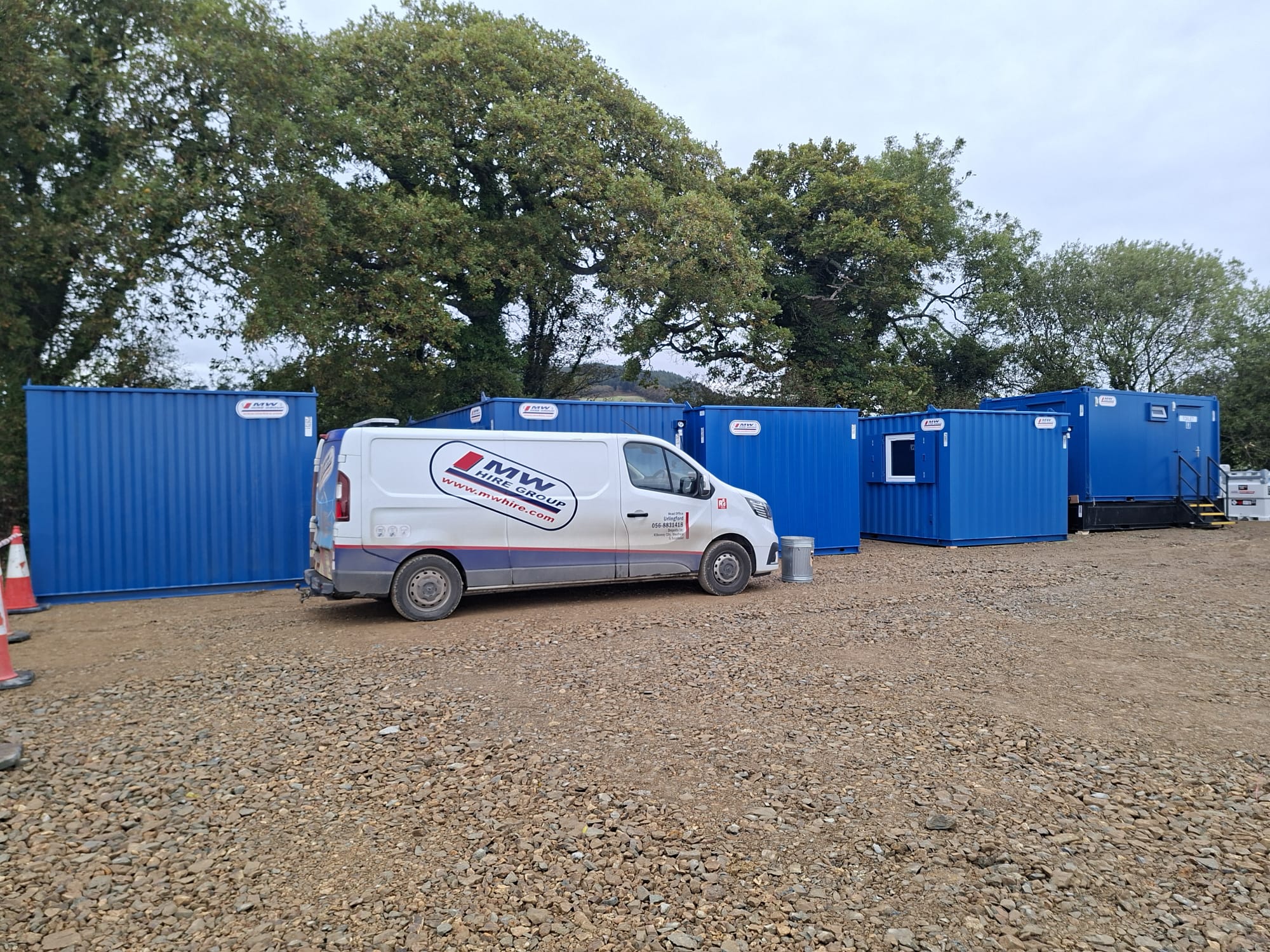 Site Accommodation and Welfare: Why It Matters and How to Get It Right
On busy construction and industrial sites, it is easy to focus on visible progress: materials arriving, trades coordinating, targets being hit. Yet one of the most important drivers of safe, productive delivery often sits in the background: site accommodation and welfare. Well-planned welfare facilities and temporary site accommodation are not “nice-to-haves.” They are fundamental to health and safety, workforce wellbeing, compliance, and overall project performance.
This article explains what site accommodation and welfare typically include, why they matter, and practical ways to plan facilities that support both people and productivity.
What Is Site Accommodation and Welfare?
Site accommodation refers to the temporary (or semi-permanent) structures and spaces that enable a site to operate day to day. This can include site offices, meeting rooms, storage, drying rooms, changing areas, and security facilities. Site welfare focuses more specifically on facilities that protect workers’ health, hygiene, comfort, and dignity—such as toilets, washing facilities, drinking water, rest areas, and canteens.
In most jurisdictions, construction site welfare is a legal requirement under health and safety regulations. Even where rules differ, the underlying principle remains consistent: employers and duty holders must provide suitable facilities that match the nature, scale, and duration of the work.
The Importance of Good Site Welfare (Beyond Compliance)
1) Protecting Health, Safety, and Hygiene
Welfare is a frontline control measure. Clean toilets, adequate handwashing, and appropriate washing facilities reduce the spread of illness and help prevent skin conditions, infections, and contamination issues—especially where workers handle cement, chemicals, fuels, or dusty materials.
Equally important is the ability to dry wet clothing, warm up, and take breaks in poor weather. Fatigue, cold stress, and dehydration all increase the risk of accidents. Providing a proper rest area with heating, ventilation, and seating is not simply a comfort measure—it supports safer decision-making and attention on site.
2) Increasing Productivity and Reducing Downtime
When welfare is inadequate, time is lost in predictable ways: workers leaving site to find toilets, queues forming at too few facilities, or breaks becoming longer because there is no suitable place to eat. These small interruptions compound across a workforce and a schedule.
Well-designed site cabins, canteens, and wash stations keep people on site, reduce stoppages, and create smoother shift patterns. Productivity improves when crews can recover properly during breaks and return ready to work.
3) Improving Morale, Retention, and Site Culture
Welfare standards send a clear message about how a business values its people. A clean, well-maintained canteen, sufficient toilets, and thoughtful facilities for drying and changing significantly improve morale. Over time, this contributes to better retention, fewer disputes, and a more professional site culture.
This matters even more in a tight labour market. Companies competing for skilled trades increasingly recognise that worker welfare is part of their employer brand.
4) Supporting Quality and Reducing Rework
Quality is closely linked to working conditions. A workforce that is cold, fatigued, or rushing because break facilities are poor is more likely to make errors. Adequate welfare supports better concentration and more consistent workmanship—reducing defects, rework, and associated costs.
5) Meeting Client Expectations and Protecting Reputation
Many clients, principal contractors, and auditors now scrutinise welfare arrangements as part of contractor selection and ongoing monitoring. Strong welfare provision demonstrates competence, reduces the likelihood of non-conformances, and helps protect reputation—particularly on high-profile projects.
Core Elements of Construction Site Welfare Facilities
Exact requirements vary by location and project type, but robust welfare planning usually covers the following areas:
- Toilets and handwashing: Sufficient quantity for the workforce, conveniently located, well-lit, ventilated, regularly cleaned, and supplied with soap and drying facilities.
- Washing facilities: Suitable for the nature of work (for example, additional facilities where workers are exposed to hazardous substances or heavy contamination).
- Drinking water: Safe, clearly marked supply, with cups or bottle-filling arrangements and practical access across the site.
- Rest and eating areas: A clean space with seating, tables, heating/cooling as needed, and arrangements for food storage and heating where appropriate.
- Changing and drying rooms: Secure storage for personal items, space to change, and drying provision for wet PPE and clothing.
- First aid provision: Accessible first aid kits and facilities aligned with risk levels, workforce size, and response times.
- Site offices and meeting space: For inductions, briefings, reporting, and confidential conversations (including health-related discussions).
- Inclusive facilities: Consideration for women on site, privacy requirements, and accessible welfare for people with disabilities.
How to Plan Site Accommodation and Welfare Effectively
Start Early and Match Facilities to the Programme
Welfare should be established from day one, then scaled as the site grows. A common mistake is underestimating peak headcount or delaying facilities until after mobilisation. Use the programme to forecast workforce numbers and site phases, then plan welfare capacity accordingly.
Choose the Right Set-Up: Static vs. Modular vs. Mobile
Temporary site accommodation may range from small mobile units to larger modular welfare blocks. The right option depends on site constraints, utilities, and duration. Modular setups often deliver better long-term value on multi-month projects, while mobile units can be more practical for short-duration or linear works.
Prioritise Location, Access, and Maintenance
Welfare is only effective if people can and will use it. Place toilets, washing stations, and rest areas where they are easy to access without creating bottlenecks or crossing high-risk zones. Plan footpaths, lighting, signage, and cleaning schedules. Assign clear ownership: someone must be responsible for inspections, consumables, and rapid repairs.
Consider Utilities and Environmental Conditions
Power, water, drainage, and waste management are not afterthoughts. Confirm connections early, especially on constrained urban sites. In remote areas, factor in water storage, effluent removal, and reliable heating. Where heat is a risk, consider ventilation, shade, and cold drinking water availability across workfaces.
Build Welfare into Your H&S and Quality Systems
Integrate welfare checks into site inspections, audits, and daily briefings. Track issues such as cleanliness, shortages, breakdowns, and access problems. When welfare is treated as part of operational control—rather than a separate task—standards remain consistent.
Common Welfare Mistakes (and How to Avoid Them)
Several recurring issues undermine otherwise strong projects:
- Under-provision at peak: Forecast labour properly and add contingency.
- Poor cleaning and replenishment: Set a cleaning regime and restocking plan that matches usage, not minimum effort.
- Facilities too far from work areas: Use multiple welfare points on large sites to reduce travel time and encourage compliance.
- Ignoring inclusivity and privacy: Provide appropriate arrangements for a diverse workforce and ensure facilities are respectful and secure.
- “Temporary” becoming neglected: Treat site accommodation as operational infrastructure—maintain it, inspect it, and upgrade when needed.
Conclusion: Welfare Is a Performance Investment
Strong site accommodation and welfare is one of the simplest, highest-return investments a project can make. It improves hygiene and safety, supports productivity, strengthens morale, helps attract and retain skilled workers, and demonstrates compliance and professionalism to clients.
If you are planning a new project or reviewing current arrangements, start by asking a straightforward question: Do our welfare facilities reflect the standards we expect in our work? When the answer is yes, sites run better—because people can work better.