



How Modern Generator Technology Powers Efficiency, Reliability, and Growth
Published:
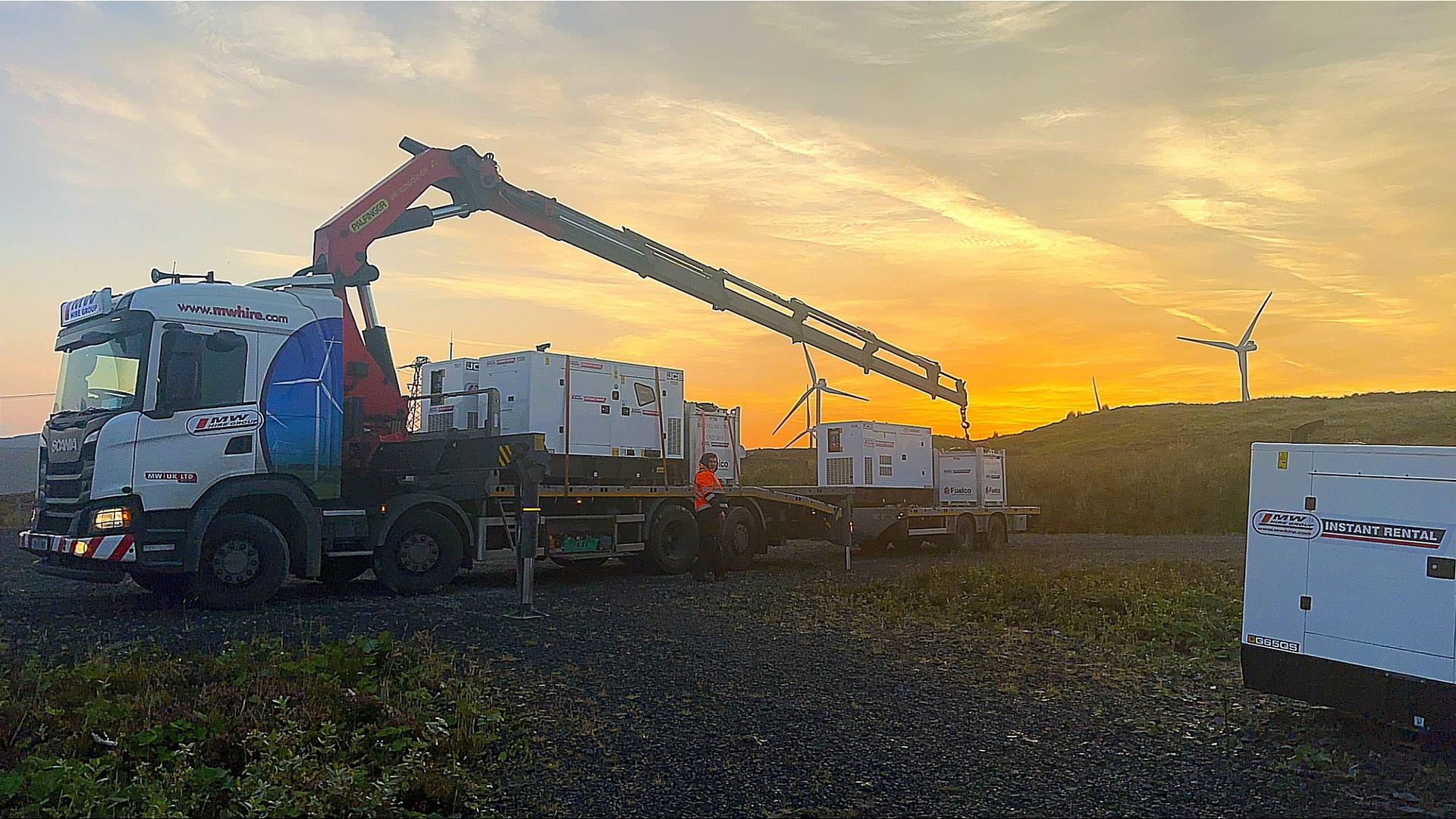
Wind Farm Generators in Industry: How Modern Generator Technology Powers Efficiency, Reliability, and Growth
Wind energy has moved from a niche renewable option to a mainstream power source supporting utilities, heavy industry, and national grids. At the center of every wind turbine is its generator—the component that converts mechanical rotation into electrical power. As wind farms scale up and performance expectations rise, generator design and selection have become strategic decisions that influence output, operating costs, grid compliance, and long-term asset value.
This article explains how wind turbine generators work, the main generator technologies used in today’s wind farms, and the practical benefits they deliver to industrial-scale energy projects.
What Is a Wind Turbine Generator—and Why Does It Matter?
A wind turbine captures kinetic energy from moving air using rotor blades. That motion turns a shaft, which—depending on the turbine design—may pass through a gearbox before reaching the generator. The generator then converts rotational mechanical energy into electrical energy.
For wind farm owners and operators, the generator is far more than an internal component. It directly affects:
- Energy yield (how much power the turbine can produce over time)
- Operational availability (uptime and reliability)
- Maintenance demands (inspection intervals, failure rates, spare parts strategy)
- Grid performance (power quality, reactive power support, fault ride-through capability)
- Lifetime economics (total cost of ownership and long-term profitability)
In industrial wind farms—where projects often run into hundreds of megawatts—small performance improvements at the generator level can translate into substantial gains in annual energy production (AEP) and revenue.
Common Generator Technologies Used in Wind Farms
Most modern wind farms use variable-speed turbines because they capture more energy across a wider range of wind speeds and reduce mechanical stress. Generator choice is closely tied to whether the turbine uses a gearbox (geared) or a gearbox-free (direct-drive) architecture.
Doubly-Fed Induction Generator (DFIG)
The DFIG has been widely used in onshore wind farms for years. It uses a partial-scale power converter (meaning not all generated power passes through power electronics), which can reduce converter cost and losses while still enabling variable-speed operation.
Typical advantages: proven design maturity, cost-effective power electronics, good efficiency across operating range.
Key considerations: more complex rotor circuitry and sensitivity to grid disturbances unless properly engineered for modern grid codes.
Permanent Magnet Synchronous Generator (PMSG)
PMSGs are common in newer turbines, including both geared and direct-drive designs. They typically require a full-scale power converter, which provides excellent controllability and grid support capabilities.
Typical advantages: high efficiency, strong low-speed performance, excellent grid control with full converter.
Key considerations: reliance on permanent magnet materials and supply chain considerations; converter adds cost and complexity but also flexibility.
Electrically Excited Synchronous Generator (EESG)
EESGs avoid permanent magnets by using an excitation system to create the magnetic field. These designs are often used where developers want to reduce reliance on rare-earth materials while maintaining synchronous generator benefits.
Typical advantages: reduced dependence on permanent magnets, robust synchronous behavior.
Key considerations: added systems for excitation and potential maintenance requirements.
Direct-Drive vs. Geared Designs
Generator selection also influences drivetrain strategy:
- Geared turbines use a gearbox to increase rotational speed before the generator. This can reduce generator size and weight but introduces gearbox maintenance considerations.
- Direct-drive turbines eliminate the gearbox and use a larger generator designed for low-speed operation. This can reduce certain mechanical failure points but may increase generator size and upfront cost.
In practice, the best choice depends on site conditions, maintenance capabilities, logistics, and long-term service strategy.
Key Benefits of Wind Farm Generators for Industrial Energy Projects
1) Higher Energy Capture and Better Performance Across Wind Speeds
Modern generator and converter systems support variable-speed operation, which improves aerodynamic efficiency and increases energy production—especially in sites with variable wind conditions. This leads to improved capacity factor and more predictable production profiles.
For industrial offtakers and utilities, these gains translate into a more dependable contribution to the energy mix and stronger project economics.
2) Improved Grid Reliability and Compliance
Today’s grids demand more from renewable assets. Wind farm generators integrated with advanced power electronics can help provide:
- Voltage regulation and reactive power support
- Frequency response and synthetic inertia (where supported by turbine controls)
- Fault ride-through performance aligned with grid codes
- Power quality improvements, including smoother output control
This capability matters for industrial-scale wind energy because it reduces curtailment risk, improves interconnection outcomes, and supports stable grid operations at higher renewable penetration levels.
3) Lower Operating Costs Through Smarter Maintenance
Generator reliability is a core driver of wind farm operating expenditure. Improvements in insulation systems, cooling design, bearing engineering, and monitoring sensors have reduced unplanned downtime and enabled more targeted maintenance planning.
In many wind farms, operators now use condition-based maintenance supported by SCADA analytics and vibration monitoring. This helps teams:
- Detect early signs of bearing wear and electrical faults
- Plan outages around weather windows and crane availability
- Optimize spare parts inventory and reduce emergency logistics
The result is better turbine availability and a lower lifetime cost per megawatt-hour.
4) Stronger Sustainability Outcomes and Corporate ESG Performance
From an industrial perspective, wind farm generators enable large-scale decarbonization with minimal ongoing resource consumption. Once installed, wind turbines produce electricity without fuel combustion, helping reduce:
- Carbon emissions compared to fossil generation
- Air pollutants associated with combustion
- Water use relative to many thermal power plants
For businesses pursuing ESG goals and renewable procurement, wind energy supports credible progress toward emissions targets while improving long-term energy resilience.
5) Scalability for Utility-Scale and Industrial Demand
Wind farm generator technology has evolved rapidly alongside turbine size increases and offshore expansion. Larger turbines and optimized generator designs enable fewer units to produce more power, which can reduce balance-of-plant costs and simplify operations at scale.
For industrial energy users, this scalability supports long-term power purchase agreements (PPAs) and facilitates incremental capacity additions as demand grows.
Operational Considerations When Selecting Wind Farm Generators
Generator technology should be evaluated in the context of the full asset lifecycle. Key considerations include:
- Site conditions: turbulence intensity, temperature range, salt or dust exposure, and grid strength
- Service model: OEM full-service agreements vs. self-perform or third-party operations and maintenance
- Supply chain strategy: parts availability, lead times, and standardization across turbine fleets
- Grid connection requirements: reactive power capability, harmonics, ride-through performance, and compliance testing
- Total cost of ownership: expected failure modes, planned maintenance schedules, and long-term replacement costs
While upfront capital cost matters, industrial wind farm performance is often won or lost through reliability, maintainability, and grid compatibility over 20–30 years.
The Bottom Line: Generators Are a Competitive Advantage in Modern Wind Farms
Wind farm generators are not interchangeable components; they are strategic enablers of performance, compliance, and profitability. The right generator technology can increase energy capture, strengthen grid support, reduce downtime, and deliver durable sustainability benefits for industrial-scale energy systems.
For developers, asset owners, and industrial offtakers evaluating wind projects, generator selection should be treated as a core part of project design—aligned with site realities, long-term service strategy, and the evolving demands of modern grids.