



Reliable Power for Remote, High-Demand Operations
Published:
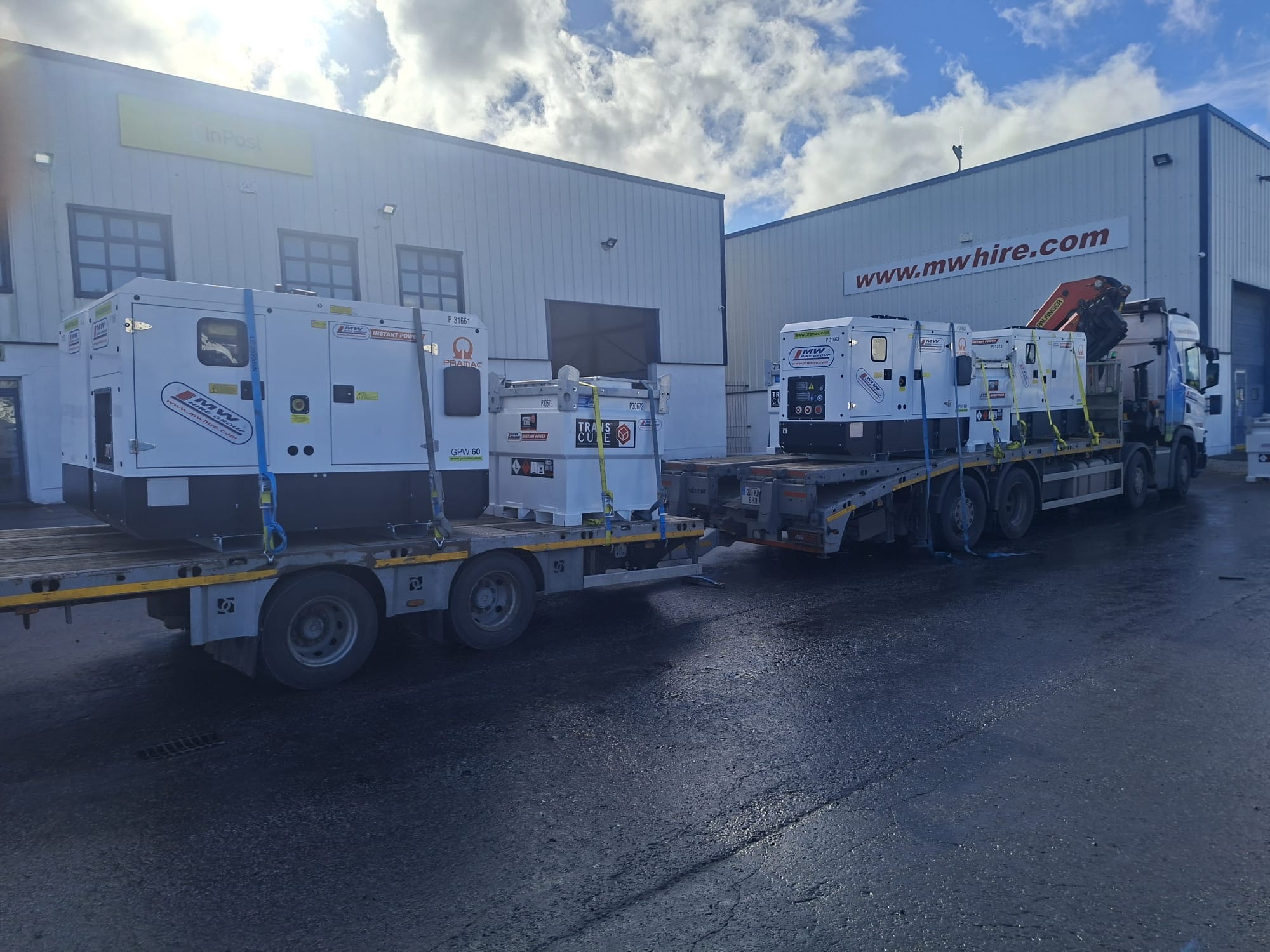 Pramac Generators and Fuel Tanks for Wind Farm Sites: Reliable Power for Remote, High-Demand Operations
Wind farms are built and operated in some of the most challenging environments in the energy sector: remote ridgelines, coastal plains, offshore-adjacent staging areas, and expansive rural sites with limited infrastructure. While turbines generate clean energy once commissioned, the work of developing, constructing, and maintaining a wind farm depends on dependable auxiliary power—often long before a permanent grid connection is available.
This is where Pramac generators and properly specified fuel tanks become essential. From temporary construction power to emergency backup at substations and operations buildings, the right generator-and-fuel system helps reduce downtime, protect critical equipment, and keep crews productive in all conditions.
Why Wind Farm Projects Need Robust Temporary and Backup Power
Wind farm sites typically require power across multiple phases and locations, each with different loads and runtime expectations. Even grid-connected sites benefit from standby power to maintain safety, monitoring, and communications during outages.
Common wind farm power needs include:
- Construction power for offices, welfare units, lighting towers, tools, and temporary compounds
- Commissioning and testing power for electrical systems, substations, and control infrastructure
- Crane and lifting operations support power (site services, heating, maintenance bays)
- Critical systems backup for SCADA, communications, security, and metering
- Remote equipment power for met masts, environmental monitoring stations, and temporary telemetry
Because wind farm sites often face variable weather, limited road access, and long supply lines, generator reliability and fuel autonomy become key planning considerations—not afterthoughts.
Where Pramac Generators Fit in Wind Farm Construction and Operations
Pramac is widely specified for industrial and site power applications where durability, consistent output, and serviceability are critical. For wind farm sites, the practical advantage is having generator options suitable for both small auxiliary loads and larger, multi-load site power setups.
1) Temporary Power During Early Works and Civil Construction
Before grid power is available, wind farm contractors often rely on diesel generators as primary power. Early works can include road building, foundations, drainage, and compound setup. Reliable generator power supports:
- Temporary site cabins and welfare facilities
- Perimeter and task lighting for extended work windows
- Water pumps, heaters, and dehumidifiers for weather-sensitive activities
2) Electrical Installation, Commissioning, and Substation Support
During commissioning, stable power is needed for testing, instrumentation, and control systems. A correctly sized generator can support sensitive loads when paired with appropriate distribution, protection, and—where necessary—power conditioning. This is especially relevant when teams are validating communications, SCADA, and substation auxiliary systems.
3) Standby and Emergency Backup for Operational Wind Farms
Once turbines are live, outages can still occur due to grid events, storms, or scheduled maintenance. Backup power helps keep:
- Control rooms and network equipment online
- Security systems active
- Essential lighting and safety systems functioning
For operators focused on uptime, a generator is not only a contingency—it can be a key element of risk management and site resilience.
The Critical Role of Fuel Tanks: Autonomy, Compliance, and Logistics
A generator is only as dependable as the fuel system supporting it. On remote wind farm sites, refueling can be disrupted by weather, road restrictions, or long travel distances. Properly specified fuel tanks help ensure runtime autonomy while meeting environmental and safety requirements.
Choosing the Right Fuel Tank Configuration
The best fuel tank setup depends on load profile, required runtime, and site constraints. Typical configurations include:
- Bunded (double-wall) fuel tanks to support spill containment and environmental compliance
- Day tanks for short-range supply close to the generator, paired with a larger bulk tank
- Bulk storage tanks sized for multi-day autonomy and coordinated fuel deliveries
In wind farm environments, bunded tanks are often preferred because they simplify containment planning and help reduce the risk and impact of spills near sensitive land, watercourses, or protected habitats.
Fuel Management on Remote Sites
Fuel theft, contamination, and water ingress can all undermine generator performance—particularly during wet seasons or coastal projects. Consider fuel management measures such as:
- Lockable fill points and access controls
- Filtration and water separation appropriate for site conditions
- Level monitoring to improve refueling scheduling and reduce emergency callouts
Well-planned fuel logistics can also reduce vehicle movements on site, improving safety and minimizing disruption to construction or maintenance operations.
Key Sizing Considerations for Wind Farm Generator-and-Tank Packages
Specifying the right equipment is not only about peak kVA. Wind farm sites often have mixed loads and long runtimes, and these factors should shape both generator selection and tank sizing.
Load Profile and Power Quality
Start by mapping expected loads across phases—temporary buildings, lighting, tools, battery chargers, network cabinets, and any specialist equipment. Consider:
- Starting currents for motors and pumps
- Power factor and the presence of non-linear loads
- Future expansion during ramp-up phases
Right-sizing reduces fuel burn, avoids wet stacking risks associated with persistent low load, and improves overall reliability.
Runtime Autonomy
Define how long the site must operate without refueling—24, 48, or 72 hours are common planning targets for remote wind farm locations. Bulk tank capacity should account for:
- Average load fuel consumption (not just nameplate ratings)
- Weather-related access risks
- Delivery schedules and tanker restrictions
Environmental and Safety Requirements
Wind projects frequently operate under strict environmental conditions. Fuel tanks and refueling procedures should align with site rules, client standards, and relevant regulations. Common expectations include secondary containment, clear labeling, controlled drainage, and documented inspection routines.
Operational Best Practices: Keeping Power Reliable Across the Project Lifecycle
Even high-quality generators and fuel tanks require disciplined site practices. Wind farm contractors and operators can improve uptime by implementing:
- Preventive maintenance schedules aligned with runtime hours and site conditions
- Fuel quality checks to reduce filter blockage and injector issues
- Clear changeover procedures for standby applications, including periodic test runs
- Spill response readiness with kits positioned near tanks and refueling points
For larger wind farm compounds, consider whether synchronized generator setups or hybrid solutions (where appropriate) can reduce fuel consumption and noise while maintaining robust power availability.
A Practical Procurement Checklist for Wind Farm Sites
When sourcing a Pramac generator and fuel tank solution for a wind farm project, stakeholders typically benefit from confirming:
- The required power output, duty cycle, and expected load profile by phase
- Distribution needs (temporary boards, cabling runs, protections, earthing approach)
- Fuel tank type (bunded/double-wall), capacity, and level monitoring requirements
- Site access constraints for delivery, placement, and refueling logistics
- Noise expectations and placement strategy near welfare units or sensitive boundaries
- Service support and spare parts availability across the project region
Conclusion: A Dependable Power and Fuel Strategy Supports Wind Farm Performance
Wind farms may be built around renewable generation, but they still depend on conventional site power to keep construction moving and critical systems protected. By pairing Pramac generators with correctly specified fuel tanks—and by planning for autonomy, compliance, and maintenance—project teams can reduce disruptions, improve safety, and strengthen overall site resilience.
Whether you are managing early civil works, commissioning electrical infrastructure, or ensuring operational continuity at a remote wind farm, a well-designed generator-and-fuel setup is one of the most practical investments you can make in uptime.