



Smarter Site Accommodation and Power: How to Cut Costs Without Compromising Productivity
Published:
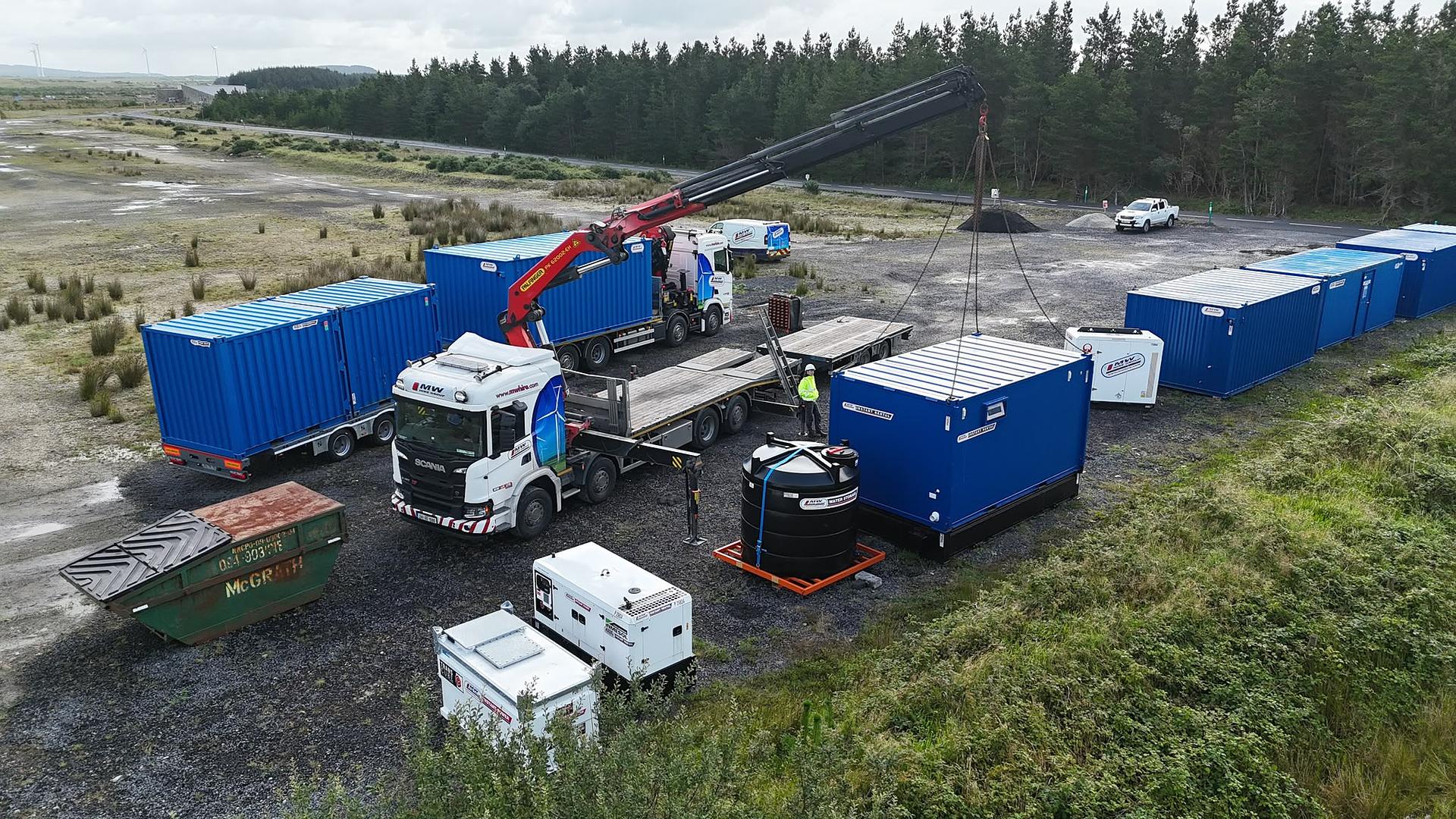
Smarter Site Accommodation and Power: How to Cut Costs Without Compromising Productivity
Site set-up decisions can quietly determine whether a project runs smoothly or bleeds money through avoidable overheads. Temporary site accommodation and site power are two of the biggest levers: they affect workforce welfare, security, programme certainty, fuel spend, and even client perception. The good news is that with the right planning, you can reduce total site costs while improving day-to-day efficiency.
This guide outlines practical ways to select the right site accommodation, choose the most efficient approach to powering sites, and build a cost control strategy that holds up from mobilisation to demobilisation.
Why Site Accommodation and Power Costs Escalate
Costs typically climb when early assumptions turn into long-term “temporary” arrangements. Common drivers include:
- Over-specification: too many cabins, oversized offices, or premium fit-outs for a short duration.
- Under-planning: late changes to headcount, layout, welfare requirements, or access constraints.
- Inefficient site power: generators running at low load, poor distribution, excessive idling, and fuel theft.
- Hidden hire charges: delivery, collection, weekly rates rolling on, damage waivers, and call-out fees.
- Downtime: power interruptions, inadequate lighting, or poorly located welfare units reducing productivity.
Addressing these areas early can protect margins and reduce disruption across the programme.
Site Accommodation: Choose the Right Solution for the Job
Modern temporary accommodation is far more flexible than a single “site cabin” option. Today’s range includes site offices, meeting rooms, canteens, drying rooms, toilets, showers, and fully compliant welfare units. The key is to right-size and plan for the full project lifecycle.
1) Start with a Headcount and Welfare Plan
Before ordering units, align accommodation to:
- Peak and average site headcount (including subcontractors)
- Shift patterns and break schedules (which affect canteen capacity)
- Welfare requirements and client standards
- Site constraints (traffic routes, craneage, lifts, and permitted delivery windows)
Planning for peak headcount is essential, but it does not mean carrying peak capacity for the entire project. Consider a phased plan so you can scale accommodation up or down as work packages start and finish.
2) Modular Buildings vs. Individual Cabins
Both approaches can be cost-effective depending on project duration and complexity:
Individual cabins often suit short-term works or smaller sites. They can be delivered quickly, moved with less disruption, and are simple to add incrementally.
Modular site accommodation can reduce long-term cost per square metre on larger or longer projects. A modular set-up can improve layout efficiency, circulation, and professionalism (especially for client meetings and inductions). It can also reduce the number of separate welfare units needed by consolidating facilities.
For many projects, the best answer is a hybrid: cabins for flexible expansion, plus a central modular block for offices, meeting rooms, and welfare.
3) Hire vs. Buy: Think in Total Cost, Not Weekly Rate
Hire can preserve cashflow and simplify maintenance, while purchase may make sense for contractors with repeat demand. Either way, compare options using a total cost lens:
- Duration (including possible extensions)
- Delivery, installation, and dismantle costs
- Maintenance, inspections, and certification
- Heating, lighting, and energy consumption
- Cleaning, waste management, and consumables
A slightly higher weekly hire cost may be cheaper overall if it includes servicing, quicker response times, or more energy-efficient units.
4) Layout and Logistics: Small Changes, Big Savings
How you position accommodation affects costs every day. Poor layout increases travel time, creates pinch points, and can raise plant and labour requirements for simple moves. Aim for:
- Short, safe walking routes between access points, welfare, and workfaces
- Secure boundaries and controlled access to reduce theft and vandalism
- Efficient servicing for waste collection, water, and deliveries
- Future-proofing to avoid relocating cabins multiple times
Relocating units mid-project often triggers re-connection costs, downtime, and new groundworks—expenses that rarely appear in initial budgets.
Powering Sites: Reduce Fuel Spend and Improve Reliability
Temporary site power is not just a “generator decision.” It is a system: demand assessment, distribution, monitoring, and ongoing management. Done well, it lowers fuel costs, reduces carbon impact, and improves uptime.
1) Understand Your Load Profile
Start with a practical demand assessment. Identify:
- Accommodation load (lighting, heating, kettles, drying rooms)
- Site lighting and security systems
- Tools and small plant
- High-load equipment (welders, hoists, pumps, tower cranes)
- Temporary electrics distribution and diversity factors
The most common cost mistake is running oversized generators at low load. Generators are typically least efficient when lightly loaded, leading to wasted fuel, increased maintenance, and avoidable breakdown risk.
2) Consider a Grid Connection Where Possible
Where programme and location allow, a temporary grid connection can provide predictable running costs and reduce operational headaches. While connection lead times and upfront fees can be higher, grid power often pays back over longer durations—especially when the alternative is months of fuel consumption and service call-outs.
3) Hybrid Power: Batteries, Smart Control, and Right-Sized Generators
For many sites, the most cost-effective approach is hybrid site power, combining generators with battery storage (and sometimes solar). Benefits often include:
- Reduced generator runtime and fuel usage
- Improved performance during variable loads
- Lower noise and better neighbour relations
- More stable power for sensitive equipment
Even without renewables, batteries can handle peaks and overnight base loads, allowing generators to run fewer hours at more efficient loads.
4) Stop Paying for Wasted Energy in Accommodation
Accommodation can become an energy sink if not managed. Cost-saving improvements include:
- LED lighting and timed external lighting
- Efficient heaters with thermostatic control (and clear site rules on usage)
- Insulated units and proper door closers to prevent heat loss
- Smart metering to spot spikes and abnormal consumption
These measures are straightforward, but they are often overlooked—especially when multiple teams share welfare and office spaces.
5) Fuel Management and Security
If you rely on generators, fuel control is essential. Practical steps include bunded, lockable tanks, monitored refuelling schedules, and clear responsibility for checks. Fuel theft and untracked consumption can erase the savings of any “cheaper” generator hire rate.
A Practical Cost-Saving Checklist for Site Set-Up
- Phase your accommodation: bring units in and out based on programme milestones and headcount.
- Right-size power: avoid overspecifying generators; plan distribution properly to prevent ad-hoc add-ons.
- Compare solutions on total cost: include delivery, servicing, call-outs, downtime risk, and energy use.
- Improve energy efficiency: insulation, LED lighting, heating controls, and metering can reduce ongoing spend.
- Build in security: site perimeter, controlled access, and protected fuel storage reduce losses and disruption.
- Plan demobilisation early: avoid rolling hire costs and ensure timely collections and disconnections.
Conclusion: Lower Costs Come From Better Planning, Not Cutting Corners
Effective temporary site accommodation and a well-designed approach to powering sites can reduce overheads, improve welfare, and support a more predictable programme. The strongest savings come from right-sizing, phasing, energy efficiency, and proactive management—rather than simply choosing the lowest weekly hire rate.
If you want to reduce site running costs on your next project, start by mapping your headcount and load profile, then build a phased accommodation and power plan that matches how the site will actually operate from day one to handover.