



Cummins Generators in todays industry and the importance of generator power.
Published:
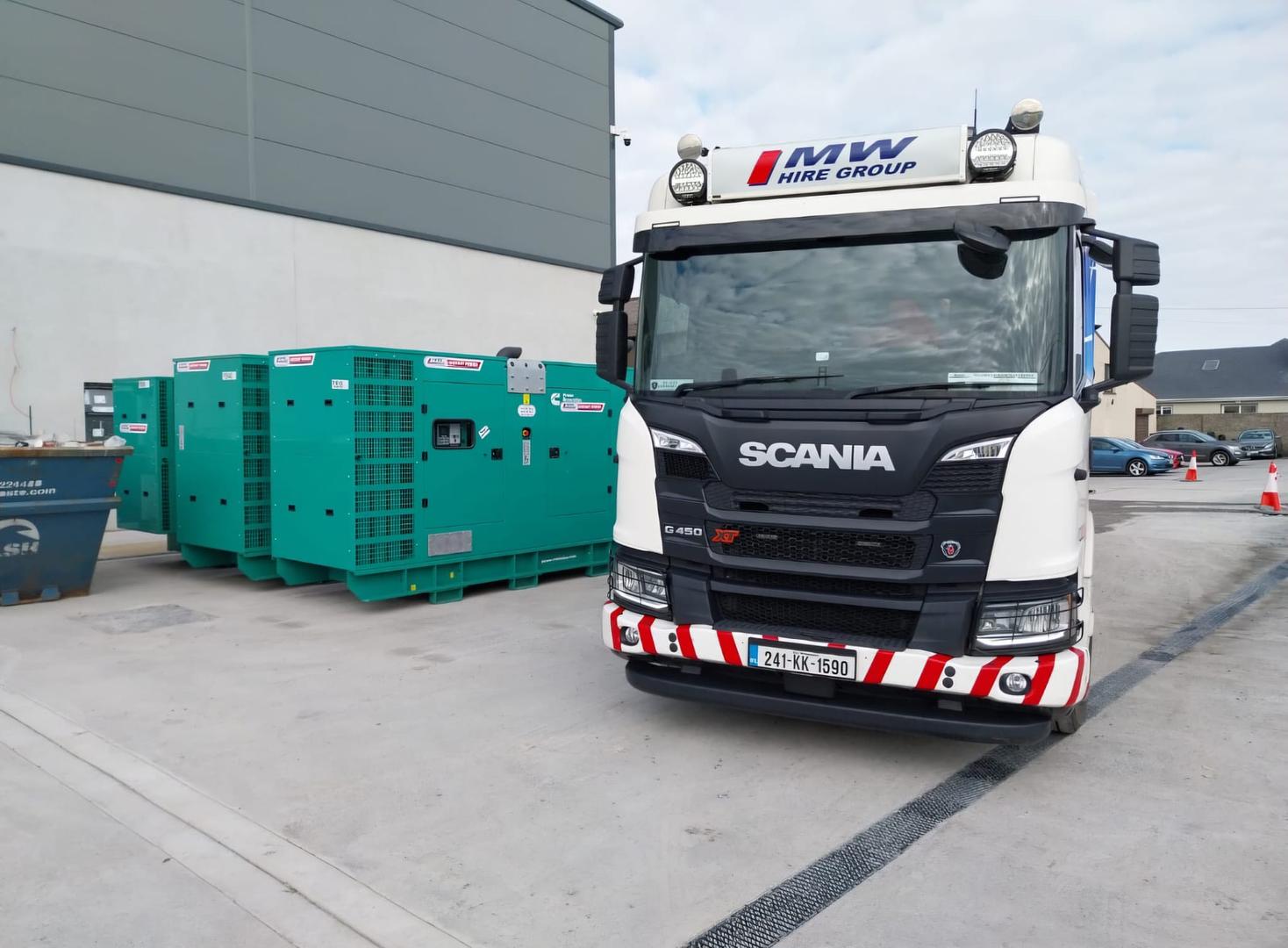
Cummins Generators in todays industry and the importance of generator power.
In industries where downtime is expensive and safety is non-negotiable, reliable power is a core operational requirement. From manufacturing lines and data centers to hospitals and utilities, organizations depend on generator systems to protect critical loads, meet regulatory expectations, and maintain continuity during grid disturbances. Among the leading names in industrial power solutions, Cummins generators are widely specified for standby power, prime power, and mission-critical applications.
This article explores what makes Cummins generator sets (gensets) a strong fit for industrial environments, the common use cases across sectors, and the practical factors that decision-makers typically evaluate when selecting generator power systems.
Why Generator Power Remains Essential Across Industries
Despite improvements in grid reliability in many regions, industrial facilities still face risks that can disrupt operations:
- Severe weather and natural disasters that cause extended outages
- Grid constraints and instability during peak demand periods
- Construction and expansion projects requiring temporary or mobile power
- Remote operations where utility access is limited or unavailable
- Regulatory and uptime requirements for critical infrastructure
As a result, industrial generators are frequently used not only for backup power, but also as part of a broader resilience and risk-management strategy.
What Sets Cummins Generators Apart in Industrial Settings
1) Reliability Built for Critical Loads
In industrial environments, reliability is not simply a preference—it is a requirement. Cummins diesel generators and other Cummins genset configurations are commonly chosen for sites that cannot afford unplanned downtime. Facilities often prioritize robust design, stable voltage and frequency performance, and dependable starting under adverse conditions, especially when supporting sensitive or high-inrush loads such as motors, pumps, compressors, and process equipment.
2) Scalable Power Options for Many Facility Types
One reason Cummins remains common across the generator industry is the breadth of available capacities and configurations. Organizations can often standardize on a platform across multiple sites or expand power capability as operations grow. Many industrial users also take advantage of:
- Paralleling solutions to add redundancy or increase total output
- N+1 designs for higher availability in critical facilities
- Load management strategies that align generator capacity with real operational demand
This scalability is particularly valuable for growing manufacturers, logistics hubs, and multi-building campuses.
3) Fuel Efficiency and Operational Cost Control
Fuel is a major component of generator operating cost, especially for prime power or frequent-use standby installations. Generator selection often comes down to performance over time: how efficiently the unit handles varying loads, how it performs at typical duty cycles, and how well it integrates into an operational plan that minimizes waste. In many sectors, the goal is to balance capital expense with long-term operating cost, and fuel performance is a central part of that calculation.
4) Serviceability and Support Network Expectations
Industrial buyers tend to evaluate the total ecosystem around a generator: parts availability, service coverage, maintenance intervals, and the ability to restore operation quickly. For operations running multiple shifts—or for facilities with stringent uptime commitments—service support can be as important as the generator itself. A generator program that includes preventive maintenance scheduling, documented inspections, and rapid response options is often treated as a business continuity investment rather than a discretionary cost.
5) Compliance, Emissions, and Site Requirements
Emissions regulations and site permitting considerations frequently shape generator decisions. Depending on region and industry, organizations may need to comply with specific emissions limits, noise ordinances, and installation standards. Buyers typically look for power solutions that can be specified and installed in a compliant way, with appropriate enclosures, muffling, and aftertreatment where required.
Common Industrial Applications for Cummins Generator Sets
Manufacturing and Process Industries
Manufacturers use standby generators to protect production schedules, reduce scrap risk, and maintain process stability during outages. In facilities with automated lines and high-capacity motors, the generator system must be properly sized for motor starting, harmonic loads, and step-load response. Many plants also prioritize easy integration with transfer switches and facility power distribution.
Data Centers and Critical IT
For data centers, the generator is part of a tightly engineered chain that includes UPS systems, switchgear, monitoring, and redundancy. Key priorities include fast and reliable starting, stable output, and the ability to perform regularly scheduled testing without disrupting operations. In these environments, generators are rarely “set and forget”—they are actively managed assets with formal maintenance and testing programs.
Healthcare Facilities
Hospitals and clinics require backup power for life-safety systems and critical care areas, often under strict codes and inspection regimes. Generator systems in healthcare commonly emphasize reliability, testing procedures, and clear maintenance records. The goal is consistent performance during both planned tests and real emergencies.
Construction, Mining, and Remote Operations
Temporary and remote power is a major category within the generator industry. Projects may require portable power for job sites, equipment yards, and field operations where utility connections are limited. Durability, fuel logistics, and ease of service matter greatly, along with practical considerations like mobility and environmental exposure.
Utilities, Water Treatment, and Municipal Infrastructure
Public infrastructure depends on backup power to maintain essential services. Pump stations, treatment plants, and municipal buildings often use generators as a resilience measure to avoid service interruptions and protect public health. In these applications, long run-time planning, fuel storage strategies, and routine testing are common priorities.
What the Generator Industry Has in Common: Key Selection Criteria
Across industries, decision-makers tend to evaluate generator solutions through a similar lens. Whether selecting a Cummins standby generator for a warehouse or designing a multi-unit system for a mission-critical site, these factors consistently appear in procurement discussions:
- Load analysis and sizing: Understanding peak demand, starting currents, and future expansion
- Duty cycle: Standby vs. prime power vs. continuous applications
- System integration: Transfer switches, paralleling gear, switchgear, and controls
- Maintenance strategy: Preventive maintenance schedules, testing, and documentation
- Site constraints: Space, ventilation, noise limits, and fuel storage requirements
- Total cost of ownership: Lifecycle costs including fuel, service, and potential downtime risk
This “common ground” across the generator industry is why many organizations start with a brand and platform they trust, then refine the final specification based on the facility’s technical and compliance requirements.
Best Practices to Maximize Generator Performance
Even the best generator requires correct specification, installation, and upkeep. Organizations that get the most value from their generator program typically follow these best practices:
- Perform a professional load study to avoid under-sizing or expensive over-sizing
- Plan for load bank testing where appropriate to verify performance under realistic conditions
- Implement remote monitoring to track alarms, run hours, and system health
- Standardize maintenance across sites for predictable performance and simpler parts management
- Document compliance with inspection-ready records, especially in regulated facilities
Conclusion: A Practical Power Strategy for Modern Industry
Industrial operations are increasingly judged by their resilience: how well they continue serving customers, protecting assets, and maintaining safe conditions when disruptions occur. Cummins generators are often selected in this context because they align with what industry consistently values—reliable performance, scalable configurations, service support, and suitability for critical applications.
For organizations considering a generator purchase or an upgrade to an existing power system, the most effective next step is a disciplined assessment of load requirements, compliance needs, and long-term operating goals. With the right specification and maintenance plan, a properly engineered genset solution can become a quiet but essential driver of operational continuity.